Complete Canary Molting Guide — What's Normal and How to Help
Canary molting explained: when it happens, how long it lasts, normal feather loss, juvenile and soft molts, why song stops, and how to help your bird.
In this guide
Quick answer Canaries molt once a year, usually in late summer and autumn after the breeding season. A normal molt is gradual, typically lasts around 6–10 weeks, and the bird stays alert and eats well. Males usually stop singing. Support a molting canary with extra protein (egg food), plenty of fresh greens, regular baths, a calm routine and 10–12 hours of darkness at night.
Every year, a canary replaces its entire set of feathers. It is natural, but it is also one of the most demanding times of a canary's year. Knowing what is normal helps you support your bird — and recognize when something is not.
When do canaries molt?
| Molt | When | What is replaced |
|---|---|---|
| Adult annual molt | Usually late summer to autumn, after breeding | All feathers, including wings and tail |
| Juvenile (first) molt | Starts from around 6–12 weeks of age | Mainly body feathers; flight and tail feathers are usually kept until the next year |
| Soft (out-of-season) molt | Any time | Continual, light feather loss — not a true molt |
The adult molt is triggered mainly by the shortening days after midsummer, together with the end of the breeding season.
How long does molting last?
A typical adult molt takes around 6 to 10 weeks, depending on the bird, its age, condition and environment. Some birds finish faster; older or breeding-tired birds may take longer. See how long does canary molting last.
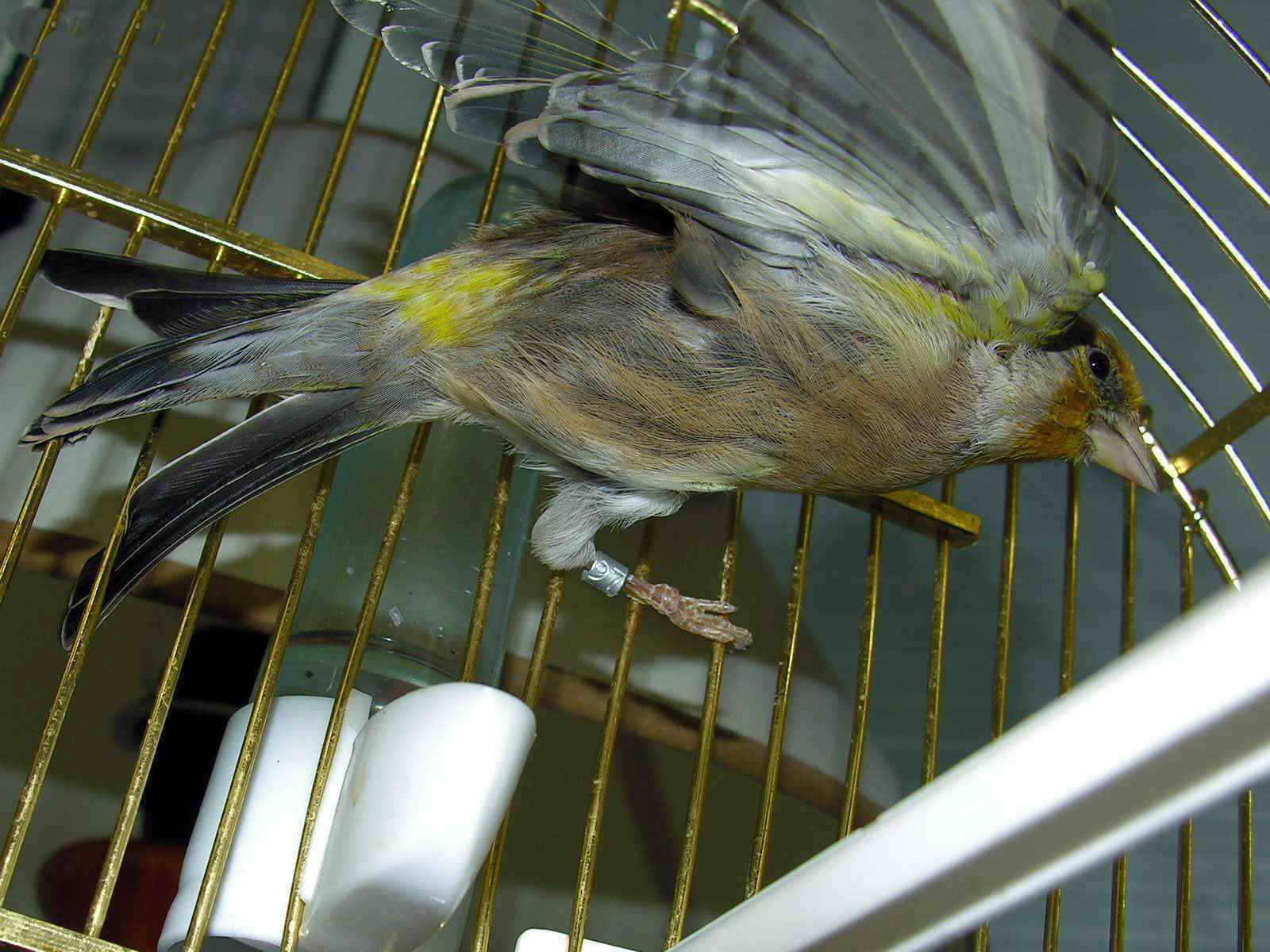
What normal molting looks like
- Feathers on the cage floor every day, especially small body feathers
- Pin feathers — new feathers in waxy sheaths — appearing on the head and body
- The bird scratching and preening more as sheaths break open
- Slightly scruffy appearance
- Reduced or no singing in males
- Somewhat quieter, more resting, but still alert, eating and bathing
Normal molt vs a reason to see a vet
| Normal | Worth a vet check |
|---|---|
| Gradual feather loss | Bald patches or bare skin |
| Bird alert and eating well | Fluffed up, sleeping a lot, eating less |
| Once a year, late summer–autumn | Constant molting all year |
| New pin feathers replace lost ones | Feathers not growing back |
| Healthy-looking new feathers | Broken, twisted, stress-marked or deformed feathers |
| Normal droppings and breathing | Changed droppings, weight loss, breathing effort |
Why canaries stop singing during the molt
Growing a complete set of feathers needs a lot of protein and energy. Most males reduce their singing or stop completely until the molt is over. Song returns gradually afterwards. See why is my canary not singing.
How to support a molting canary
- Feed extra protein. Offer egg food several times a week or daily. See feeding a canary during molting.
- Offer more fresh food. Leafy greens, broccoli and grated carrot.
- Offer baths daily or most days. Bathing appears to help new feathers break out of their sheaths.
- Keep the routine calm. Avoid moving the cage, adding new birds or making big changes.
- Protect sleep. Keep 10–12 hours of quiet darkness.
- Avoid drafts. Molting birds have less insulation.
- Avoid handling unless necessary.
Soft molt: constant feather loss
A soft molt is a continual, light loss of feathers outside the normal molt season. It is commonly associated by keepers with:
- Long or irregular day length (lights on late into the evening)
- A room that is too warm or has fluctuating temperatures
- Stress or frequent disturbance
Correcting the light cycle and temperature often helps. If feather loss continues, or the bird seems unwell, consult an avian vet.
Color canaries and the molt
For red factor and some other color canaries, the new feathers' color depends on what the bird eats while they grow. Breeders who want to maintain red coloring use color-feeding during the molt. See the red factor canary guide.
Molting checklist
- Egg food several times a week
- Fresh greens daily
- Bath offered daily
- Calm, stable routine
- 10–12 hours of darkness
- Draft-free, comfortable room
- Bird checked daily for alertness and appetite
Frequently asked questions
Do canaries lose all their feathers when molting?
No. A normal molt is gradual — feathers are replaced a few at a time in a regular sequence, so the bird can still fly and stay warm. Bald patches are not normal and should be checked by an avian vet.
Do canaries molt twice a year?
Healthy adult canaries normally have one main molt a year, after the breeding season. Repeated or constant molting outside that period is often called a soft molt and is commonly linked to irregular light, temperature or stress.
Should I handle my canary during the molt?
Keep handling to a minimum. Growing feathers have a blood supply and can be sensitive, and a molting bird benefits from a calm, stable routine.
Sources and further reading
- Moulting — Wikipedia
This guide shares general husbandry information and practical keeping experience. It is not veterinary advice. If your canary seems unwell, contact an avian veterinarian. Spotted an error? Report a correction.
Related guides
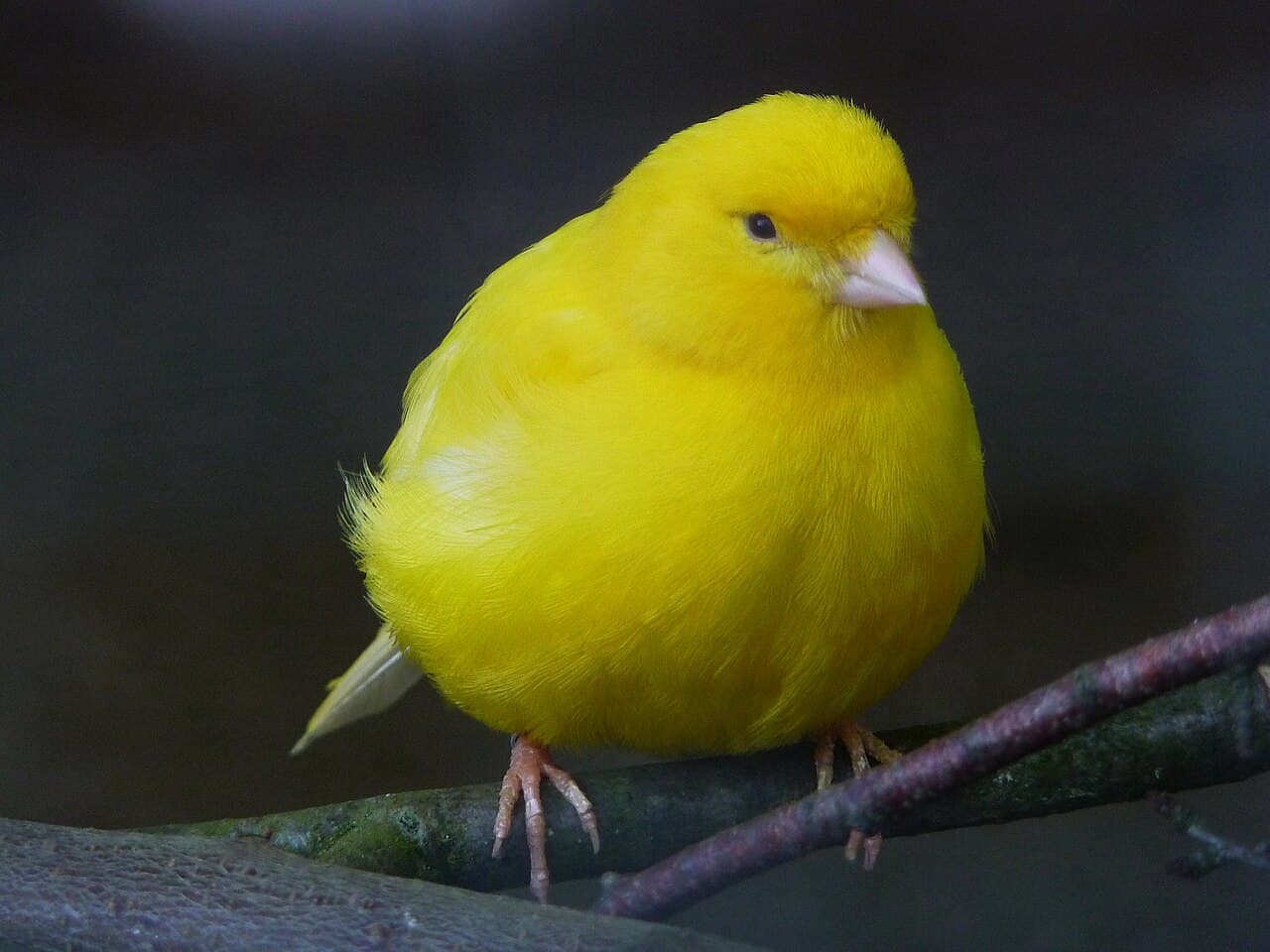
How Long Does Canary Molting Last?
A normal canary molt usually lasts around 6–10 weeks. What affects the length of the molt, how a juvenile molt differs, and when a molt is lasting too long.
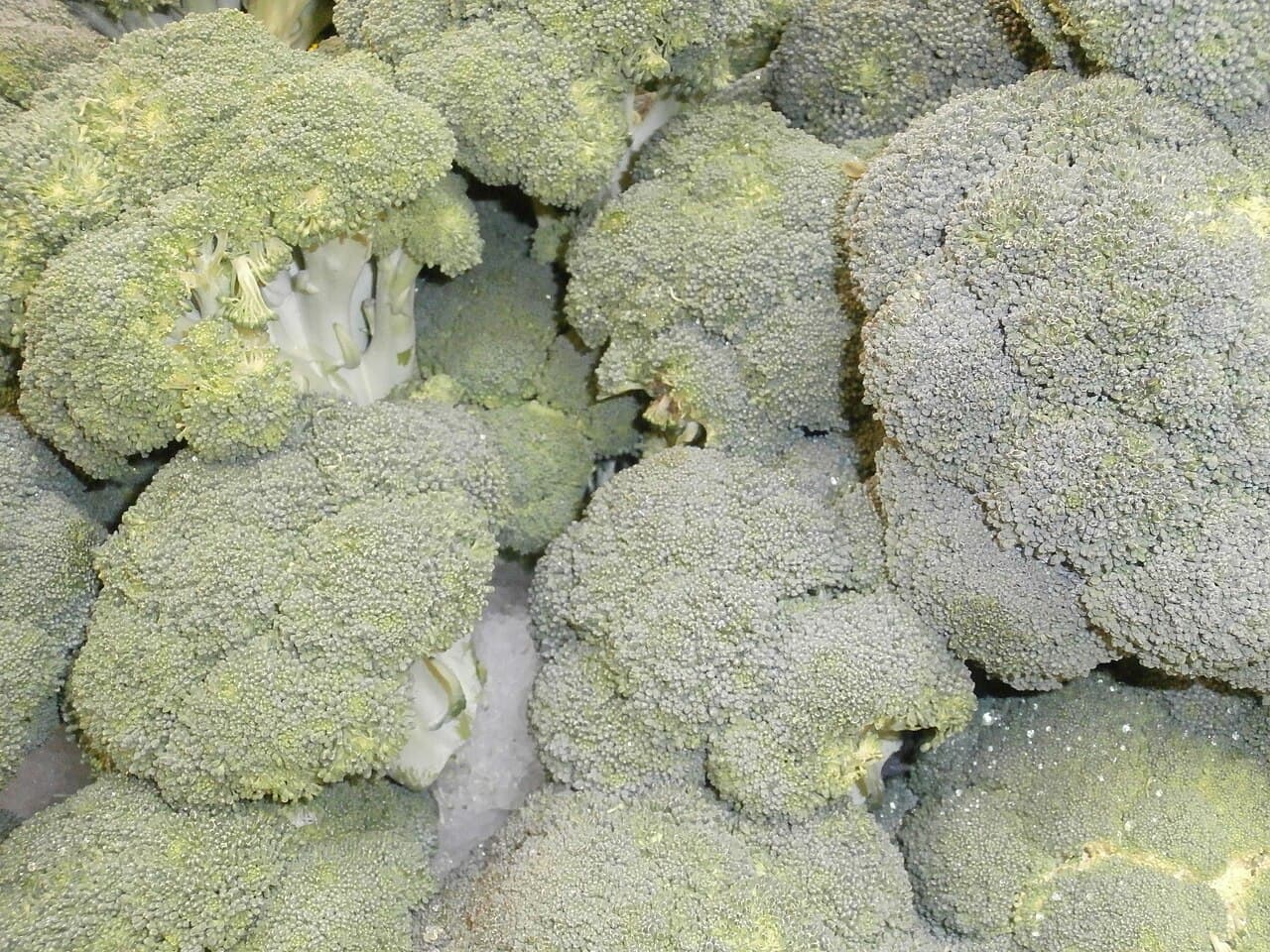
Feeding a Canary During Molting
How to feed a molting canary — more protein with egg food, extra greens, seed and pellets, calcium, and what to know about color feeding for red factor canaries.
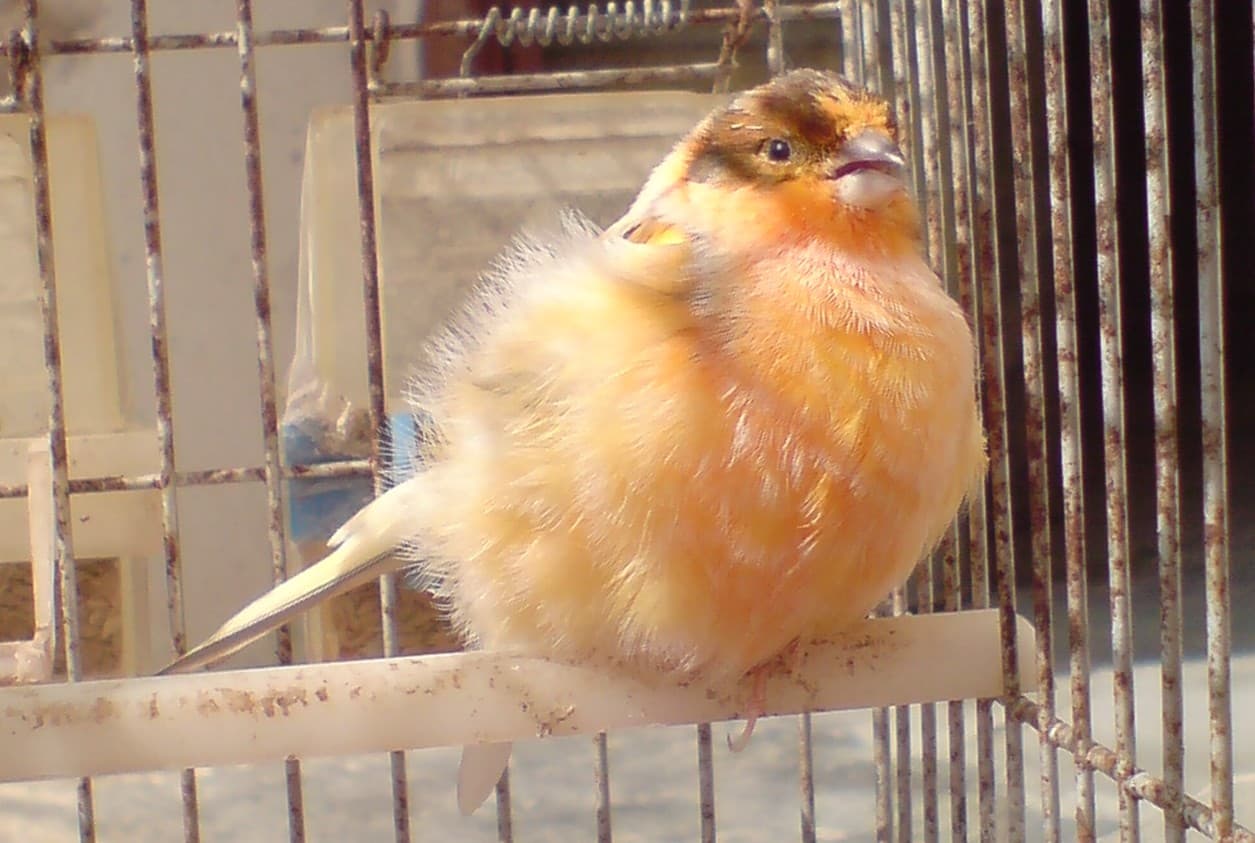
Why Is My Canary Not Singing?
The most common reasons a canary is not singing — female bird, molting, age, new home, season, stress, light and health — and practical steps to help a male sing again.
What Do Canaries Eat?
What domestic canaries eat — seed mixes, pellets, vegetables, greens, fruit, egg food, calcium and water — with a sample daily feeding plan and seasonal changes.