Canary Eggs and Incubation — Laying, Clutch Size and Hatching
Everything about canary eggs — how many eggs canaries lay, laying pattern, dummy eggs, how long incubation takes, candling, hatching and common egg problems.
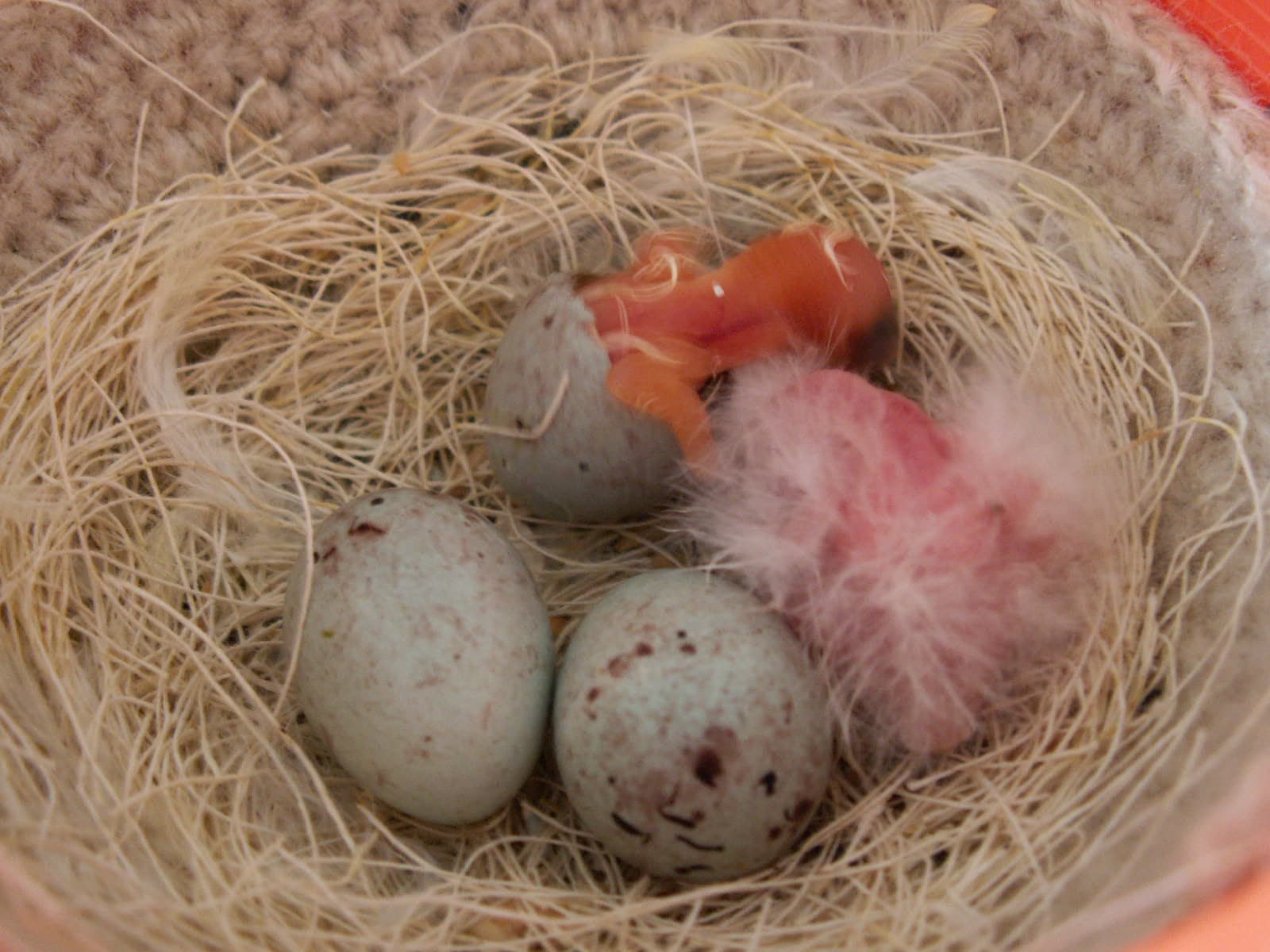
In this guide
Quick answer A canary hen usually lays one egg a day, early in the morning, to a clutch of about 3–6 eggs (most often 4–5). Incubation takes about 13–14 days once she sits steadily. Many breeders replace each egg with a dummy egg and return all the real eggs together so the chicks hatch at the same time. Disturb the nest as little as possible.
Laying
- Laying usually starts a few days after the nest is finished.
- The hen typically lays one egg per day, usually early in the morning.
- A clutch is usually 3–6 eggs, most often 4–5.
- Eggs are small, pale bluish-green with darker speckles, often concentrated at the broad end.
Dummy eggs: why many breeders use them
A hen may start sitting after the first or second egg. If she does, the first chicks hatch days before the last, and the youngest may struggle to compete.
Many breeders therefore:
- Remove each real egg in the morning and replace it with a dummy (plastic) egg.
- Store the real eggs carefully — in a cool room, in a soft-lined container, and turned gently each day.
- Return all the real eggs together when the clutch is complete, removing the dummies.
This is optional. Many hens hatch good clutches without it. Store eggs for no more than the few days the clutch takes to complete.
Incubation
| Point | Detail |
|---|---|
| Length | About 13–14 days of steady sitting |
| Who incubates | The hen |
| Male's role | Often feeds the hen on the nest |
| Your role | Quiet, minimal disturbance; egg food and water for the hen |
During incubation:
- Keep the hen's food, water and bath close to hand.
- Avoid inspecting the nest frequently.
- Keep the room calm and the light cycle steady.
Candling (checking fertility)
Around 5–7 days into incubation, some breeders check eggs by candling — holding a small, cool light (an egg-candling torch) behind the egg in a dim room:
- Fertile egg: red blood vessels and a dark shadow (the embryo).
- Clear egg: light passes straight through — likely infertile.
Handle eggs as little as possible, with clean, dry hands. If you are not confident, it is fine not to candle at all.
Hatching
Chicks usually hatch over one or two days if eggs were set together. The hen removes or eats the shells. Leave her in peace — chicks absorb the yolk before hatching and do not need food for the first hours.
Egg problems
| Problem | Where to read more |
|---|---|
| Eggs not hatching | Canary eggs not hatching |
| Clear (infertile) eggs | Canary eggs not hatching |
| Hen leaves the nest | Complete canary breeding guide |
When to get help A hen straining, sitting fluffed on the floor or with a swollen abdomen during laying may be egg-bound. Contact an avian vet immediately.
Next stage: canary chick care and chick development week by week.
Frequently asked questions
How many eggs do canaries lay?
A canary hen usually lays a clutch of around 3 to 6 eggs, most often 4 or 5, laying one egg per day.
How long do canary eggs take to hatch?
Usually about 13–14 days from when the hen starts sitting steadily on the eggs. If eggs were returned together after using dummy eggs, count from the day they were put back.
Can a female canary lay eggs without a male?
Yes. Hens can lay infertile eggs without a male, especially in spring. Leave them with the hen until she loses interest, rather than removing them immediately, which can prompt her to lay more.
Should the male stay during incubation?
Many breeders leave a calm male in place, as he often feeds the sitting hen. Remove him if he disturbs the nest or harasses the hen.
This guide shares general husbandry information and practical keeping experience. It is not veterinary advice. If your canary seems unwell, contact an avian veterinarian. Spotted an error? Report a correction.
Related guides
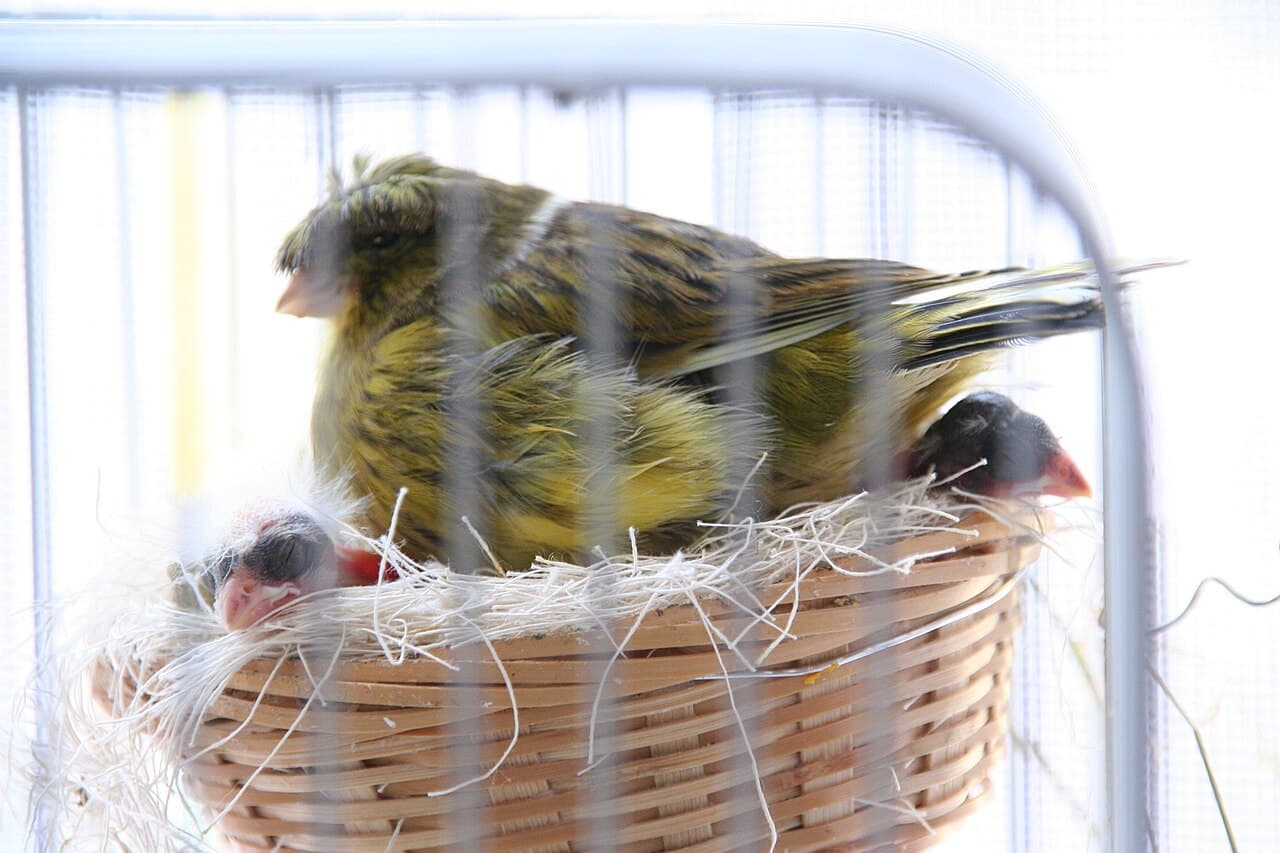
Complete Canary Breeding Guide
A step-by-step canary breeding guide: choosing and conditioning pairs, breeding cages, nests, eggs, incubation, chicks, weaning and how many rounds to allow.
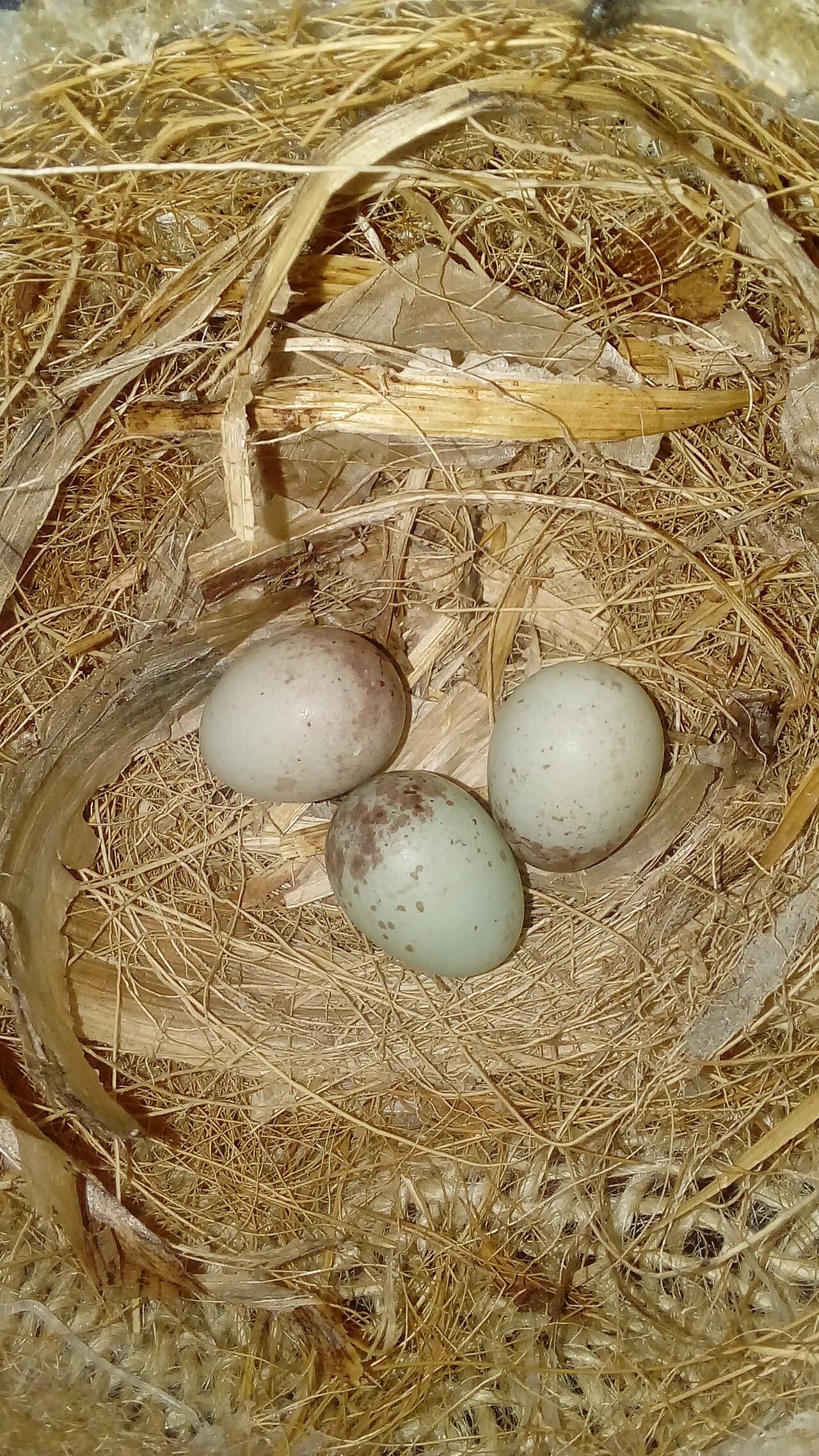
Canary Eggs Not Hatching
Why canary eggs do not hatch — infertile eggs, birds not in condition, incubation problems, disturbance, humidity — and how to improve results in the next round.
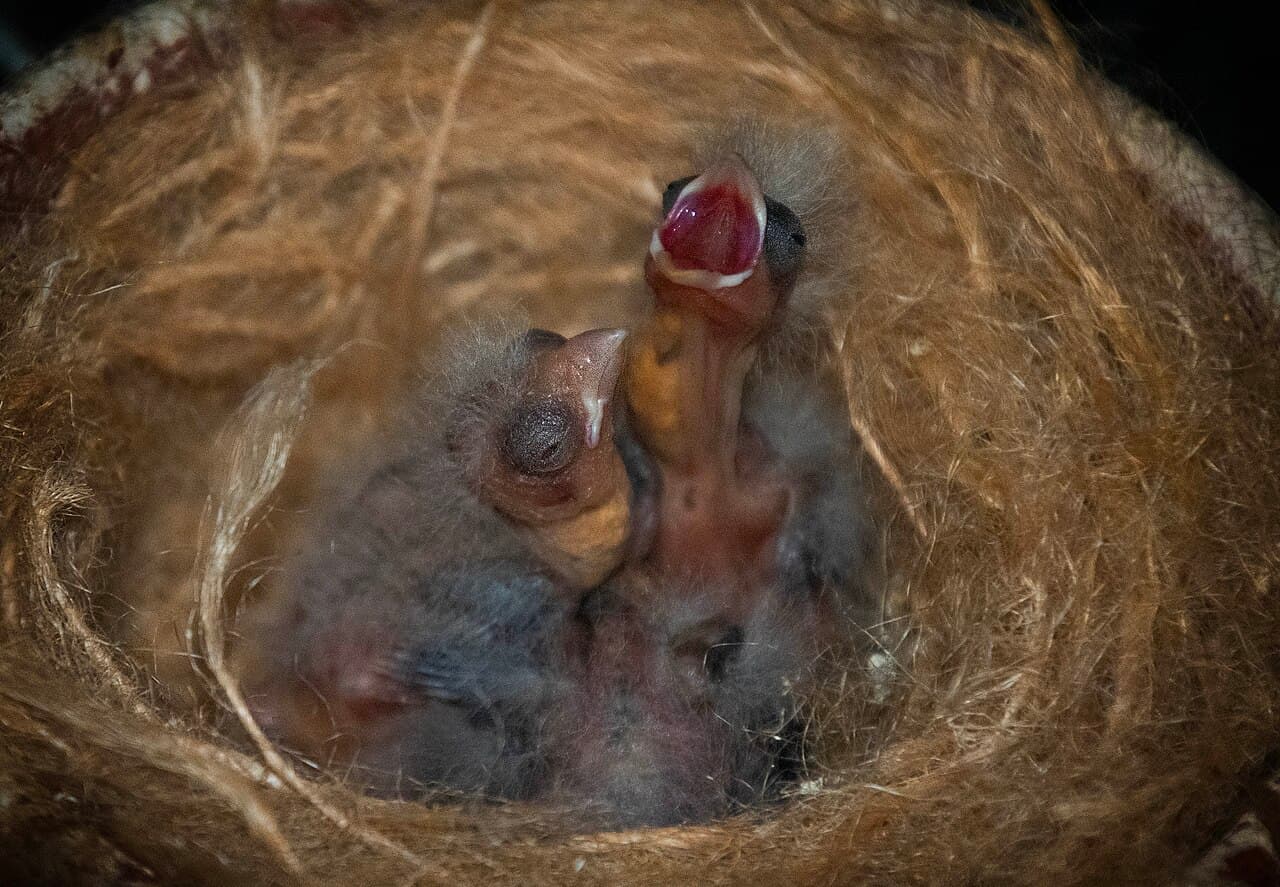
Canary Chick Care
A practical guide to canary chick care — what parents feed baby canaries, what to provide, nest checks, ringing, fledging, weaning and common chick problems.
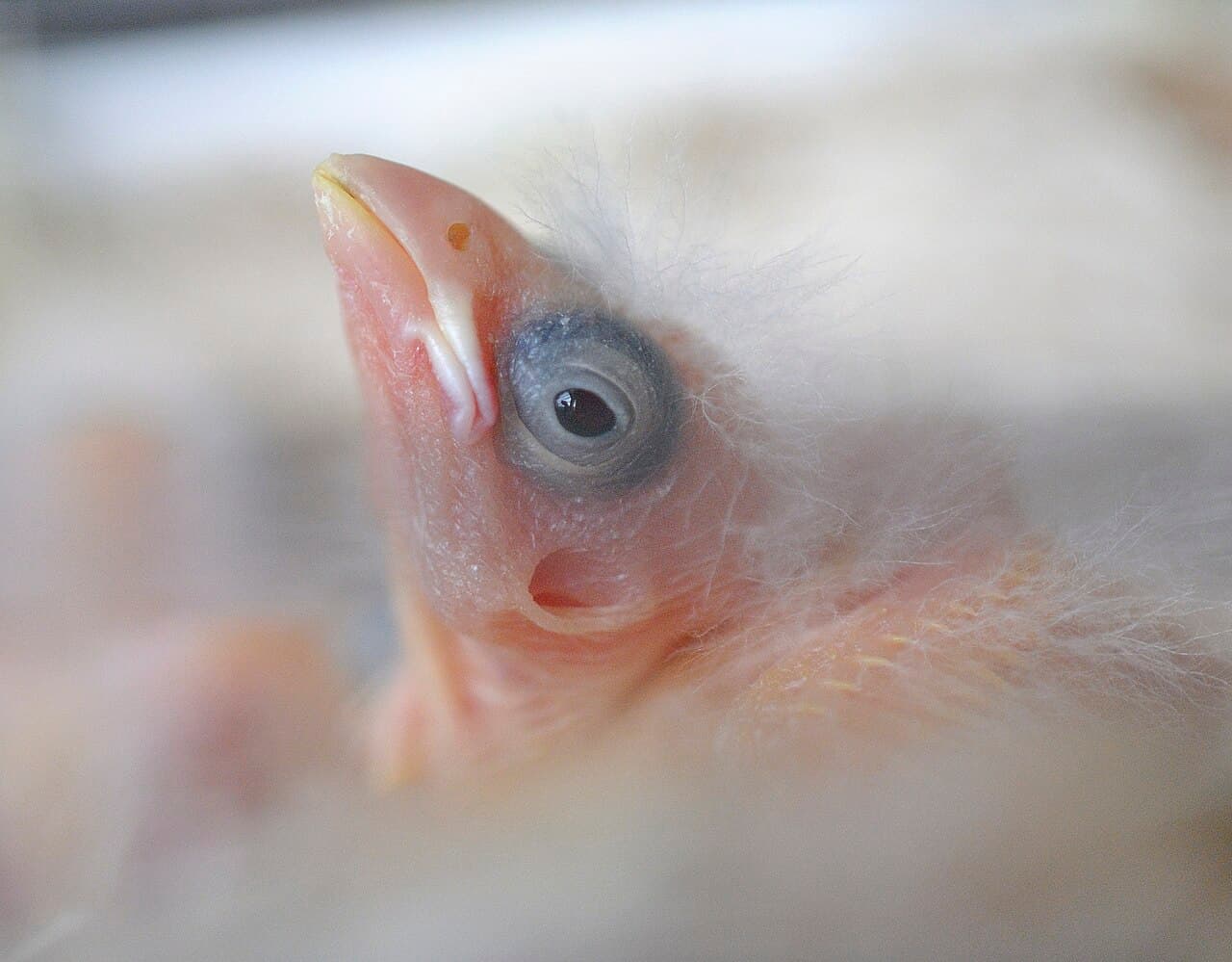
Canary Chick Development Week by Week
Canary chick development by age: hatching, eyes opening, pin feathers, fledging, first independent feeding and the juvenile molt, with approximate timings.