Complete Canary Breeding Guide — From Pairing to Weaning
A step-by-step canary breeding guide: choosing and conditioning pairs, breeding cages, nests, eggs, incubation, chicks, weaning and how many rounds to allow.
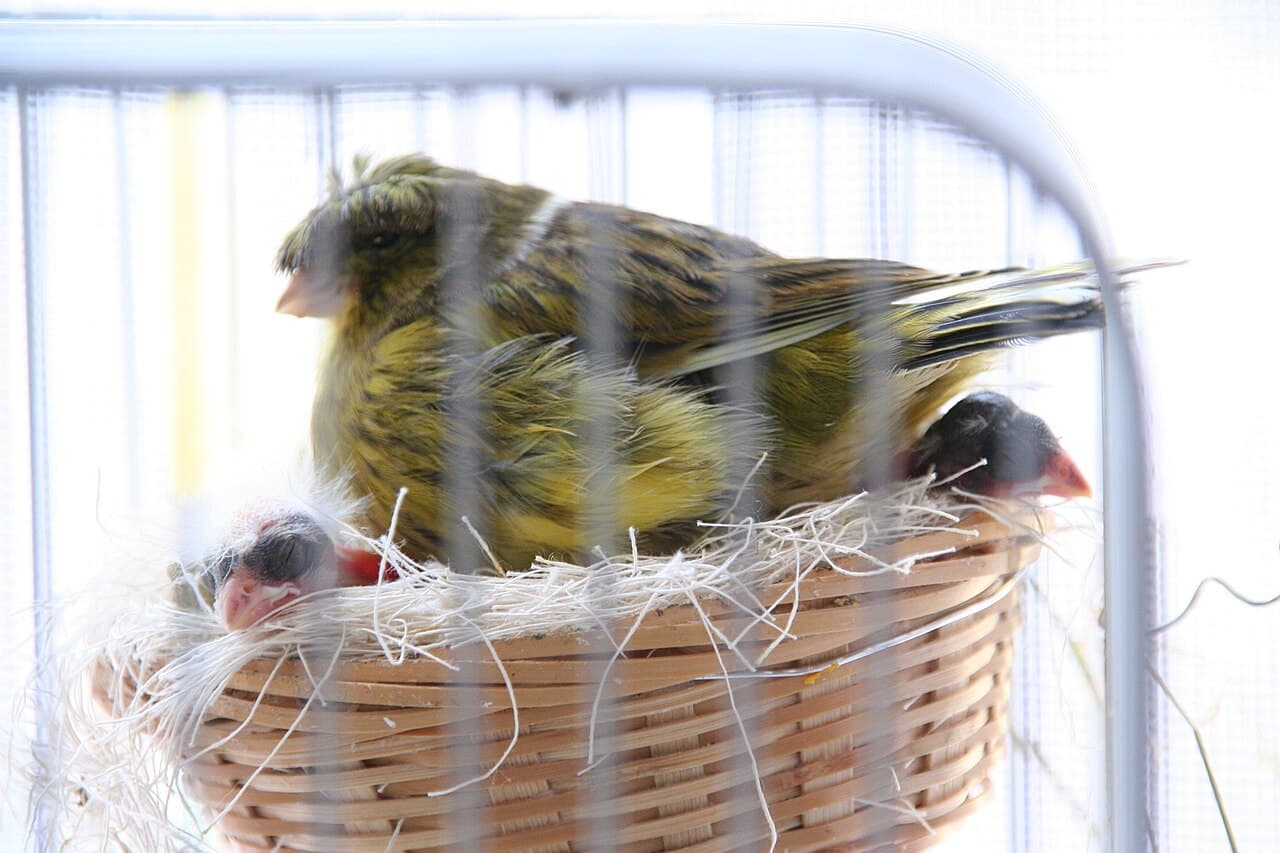
In this guide
Quick answer To breed canaries, choose healthy, unrelated birds at least about a year old, condition them over several weeks as spring days lengthen, set up a breeding cage with a divider and a nest pan, introduce them when both show breeding condition, and provide egg food, greens and calcium. The hen usually lays one egg a day, incubates for about 13–14 days, and the chicks leave the nest at roughly 16–21 days and are weaned at about 4–5 weeks.
Breeding canaries is one of the most rewarding parts of keeping them — and one of the most demanding. The most common problems come from rushing: pairing birds before they are ready, or without the right setup. This guide walks through each stage in order.
Before you start
Ask yourself honestly:
- Do I have space or homes for the young? A pair may raise several chicks per round.
- Do I have spare cages for weaned youngsters and for separating birds?
- Do I know an avian vet in case of egg-binding or other problems?
- Are both birds healthy, of suitable age, and unrelated?
Step 1: Choose the pair
- Age: Usually at least around a year old.
- Health: Alert, good weight, clean vent, tight feathers, good breathing.
- Not closely related: Avoid pairing siblings, parents and offspring.
- Variety considerations: Some breeds have specific pairing rules — for example, crested birds are normally paired with non-crested birds. See the Gloster canary guide.
Step 2: Condition the birds
Breeding condition develops gradually as days lengthen in late winter and spring. Over several weeks:
- Increase egg food and fresh greens gradually.
- Make sure the birds have a natural, lengthening day.
- Keep birds fit with flight space.
Signs of readiness are described in how to prepare canaries for breeding.
Step 3: Set up the breeding cage
| Item | Purpose |
|---|---|
| Breeding cage with a wire divider | Lets birds see each other before being put together |
| Nest pan with a felt liner | Base for the nest |
| Nesting material | Hen builds the nest herself |
| Egg food dish | Daily protein |
| Cuttlebone and grit | Calcium for eggshells |
| Bath | Many hens bathe through the season |
See canary nest setup.
Step 4: Introduce the pair
- Put the birds on either side of the divider.
- Watch for the male singing and trying to feed the hen through the wire, and the hen calling back and showing interest in nesting material.
- When both are clearly ready, remove the divider — many breeders do this in the morning.
- Watch closely for the first hour or so. Chasing that becomes aggressive, or a hen being pecked, means the birds should be separated and tried again later.
If the male attacks the hen, see male canary attacking female.
Step 5: Nest building and laying
The hen builds the nest, usually over several days. Laying commonly begins within a few days of the nest being finished. She typically lays one egg per day, usually early in the morning, until the clutch is complete — usually around 3–6 eggs, most often 4–5.
Step 6: Incubation
Incubation lasts about 13–14 days once the hen starts sitting steadily. Many breeders remove each egg as it is laid, replace it with a dummy egg and return the real eggs together when the clutch is complete, so the chicks hatch at the same time. See canary eggs and incubation.
Step 7: Hatching and chick rearing
The parents feed the chicks by regurgitation. Provide fresh egg food at least once and often twice a day, plus greens and soaked or sprouted seed. Keep disturbance to a minimum. See canary chick care and chick development week by week.
Step 8: Fledging and weaning
Chicks usually leave the nest at around 16–21 days. The parents keep feeding them for a while; the hen may start a new nest. Young birds typically feed themselves and are separated from the parents at around 4–5 weeks. See when do canary chicks leave the nest and canary chick weaning.
How many rounds?
Many breeders allow two or three rounds a season, then stop by removing nest pans and reducing the rich diet, so the birds can rest before the molt.
Common breeding mistakes
- Pairing birds before both are in condition
- Pairing related birds
- Inspecting the nest too often
- Not providing enough egg food and calcium
- Allowing too many rounds
- Not having spare cages ready for weaned young
When to get help A hen that is fluffed up, straining, sitting on the cage floor, or has a swollen abdomen during laying may be egg-bound. This is an emergency — keep her warm and contact an avian vet immediately.
Breeding problems
For specific problems, see canary eggs not hatching and the canary problems hub.
Frequently asked questions
How old should canaries be to breed?
Most breeders wait until birds are at least around a year old and in full breeding condition. Very young birds, especially hens, are more likely to have problems.
How many times a year can canaries breed?
A hen can lay several clutches in a season if allowed, but many breeders limit hens to two or three rounds per season to protect their condition. Over-breeding exhausts hens.
Do I need to remove the male after mating?
Practice varies. Many breeders leave a calm male with the hen, as he often feeds her and later the chicks. Others remove the male once the clutch is complete. Remove him if he disturbs the nest or harasses the hen.
How long are canary eggs incubated?
Canary eggs usually hatch after about 13–14 days of steady incubation. See canary eggs and incubation for detail.
This guide shares general husbandry information and practical keeping experience. It is not veterinary advice. If your canary seems unwell, contact an avian veterinarian. Spotted an error? Report a correction.
Related guides
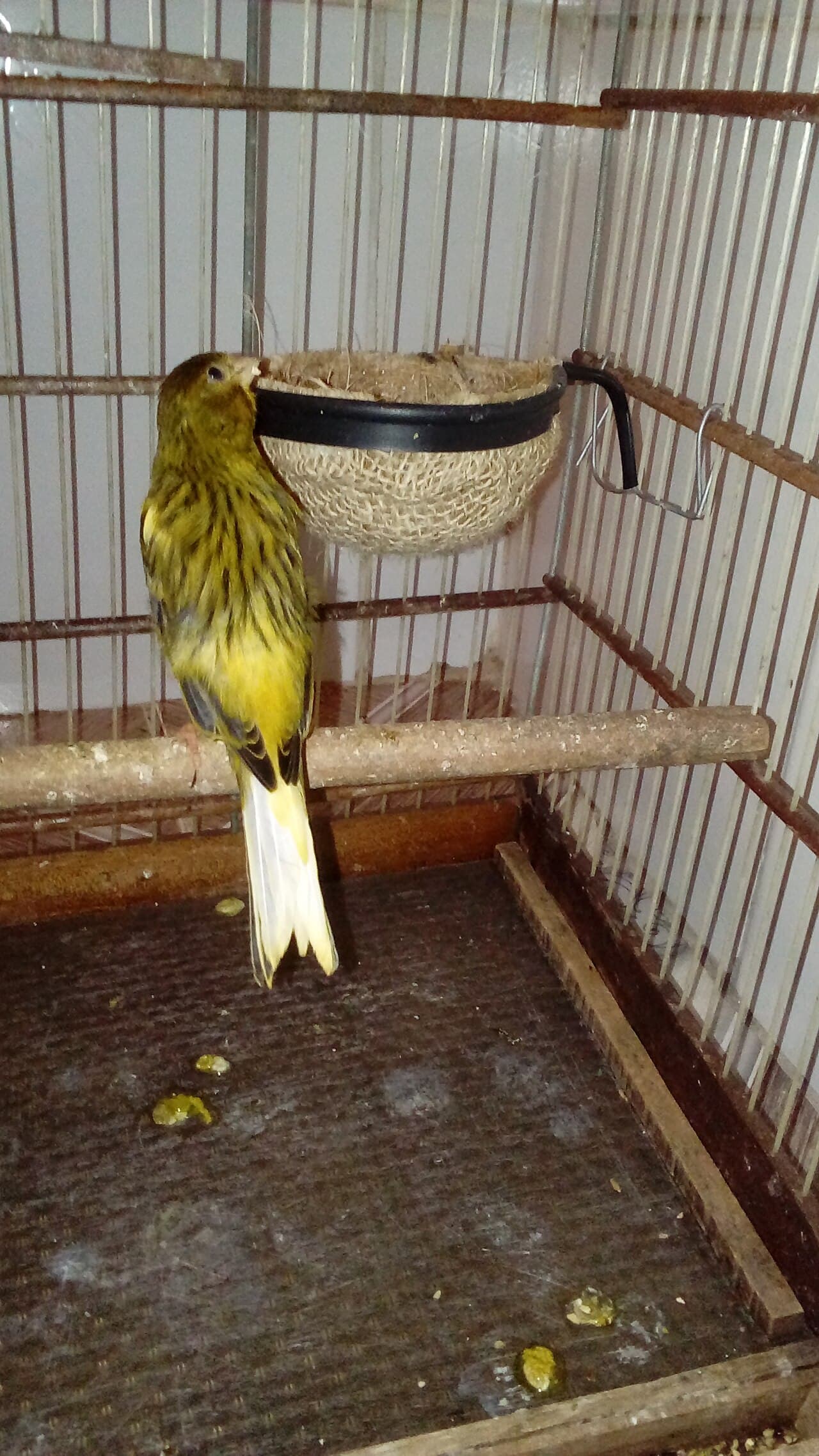
How to Prepare Canaries for Breeding
How to prepare canaries for breeding — health checks, conditioning diet, daylight, timing, and the signs that male and female canaries are ready to pair.
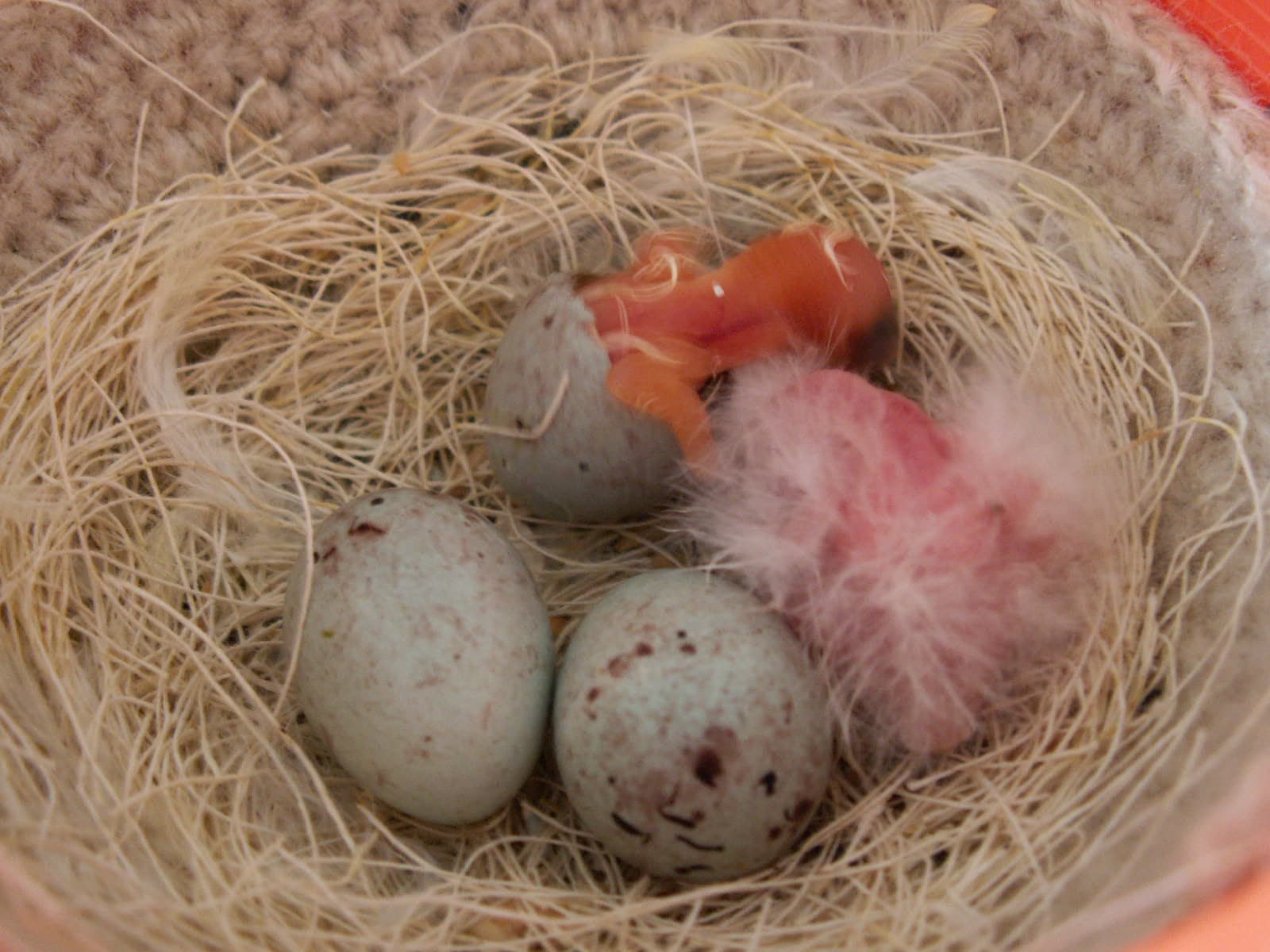
Canary Eggs and Incubation
Everything about canary eggs — how many eggs canaries lay, laying pattern, dummy eggs, how long incubation takes, candling, hatching and common egg problems.
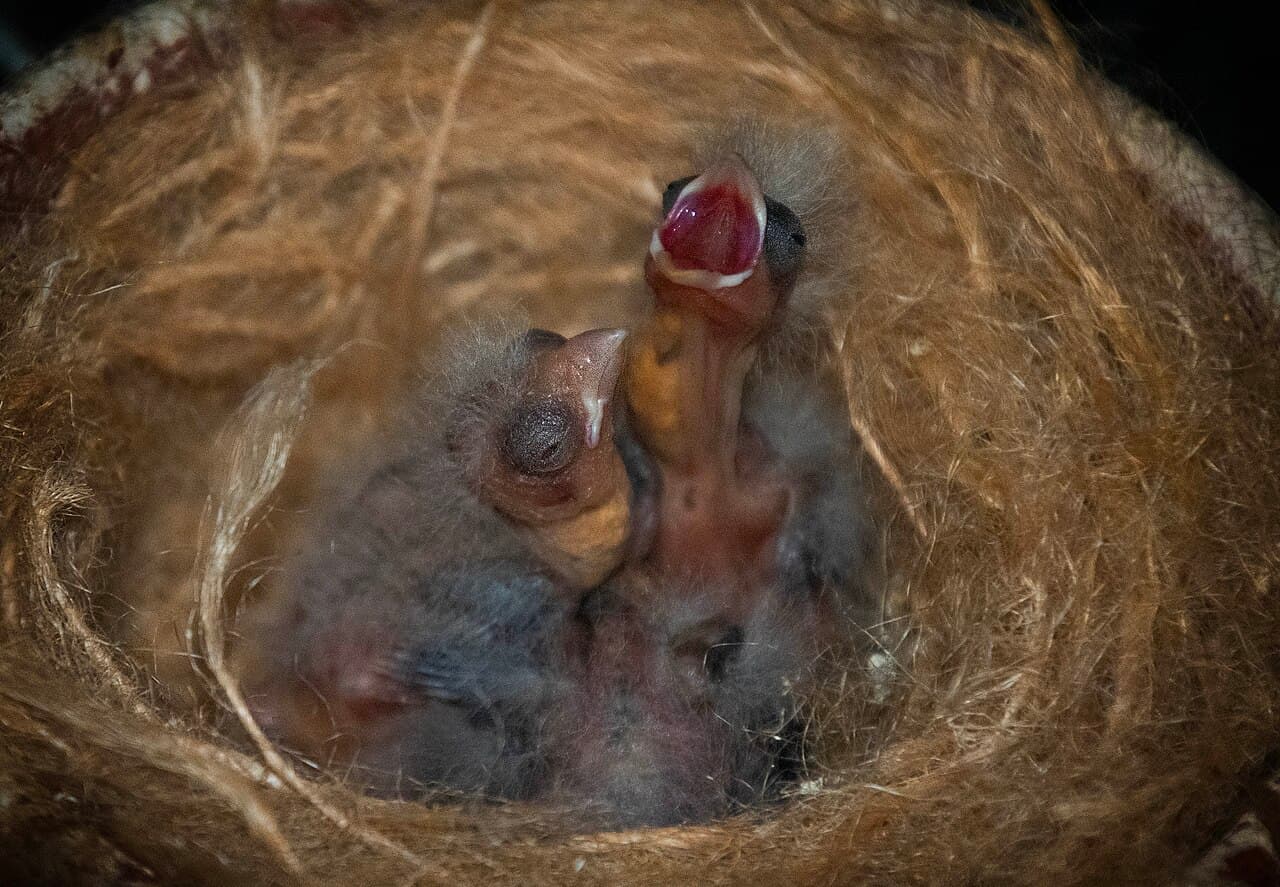
Canary Chick Care
A practical guide to canary chick care — what parents feed baby canaries, what to provide, nest checks, ringing, fledging, weaning and common chick problems.
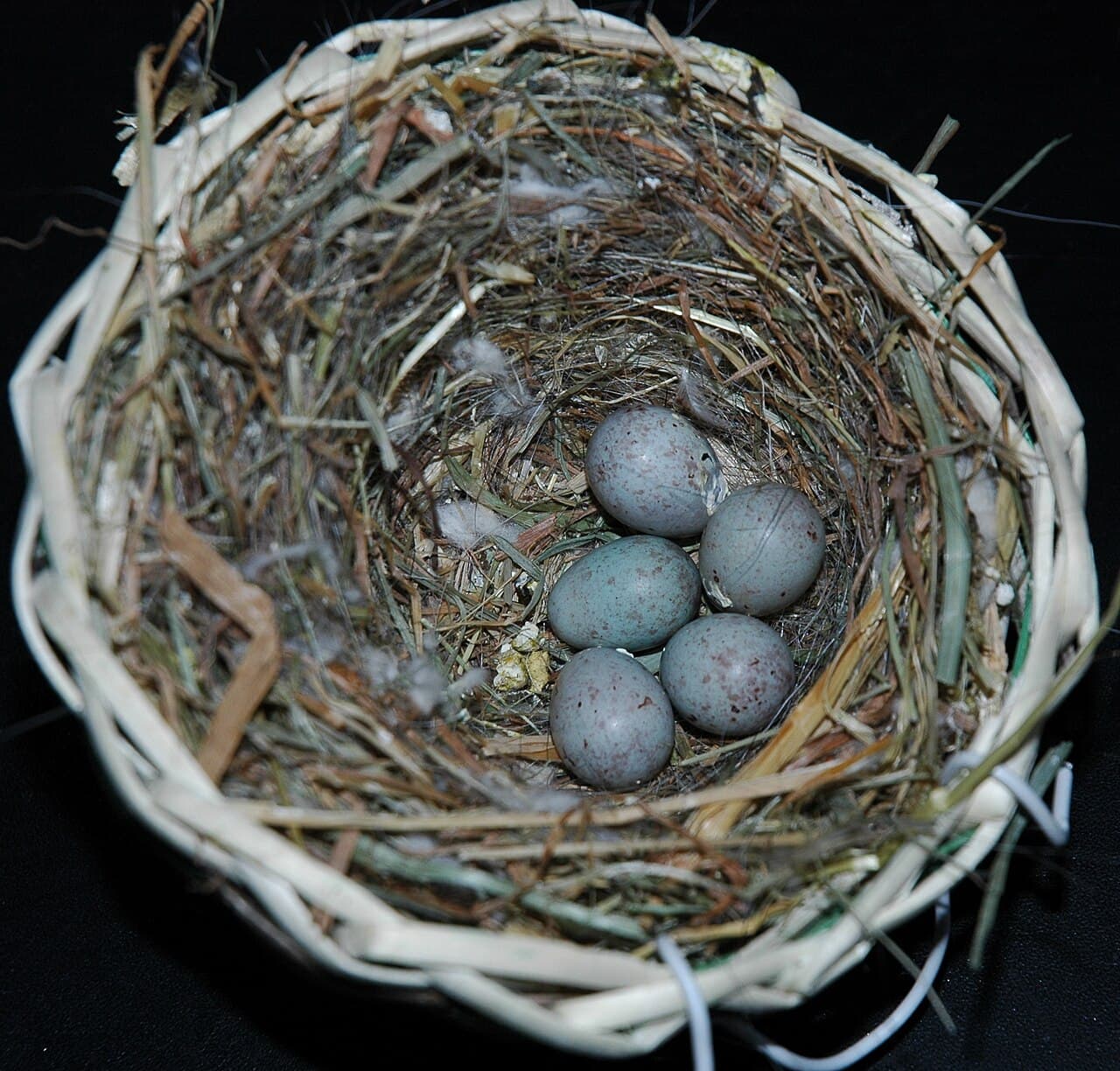
Canary Nest Setup
How to set up a canary nest — choosing and positioning a nest pan, felt liners, safe nesting materials, what to avoid, and what to do when a hen will not use the nest.