How to Prepare Canaries for Breeding — Conditioning and Readiness
How to prepare canaries for breeding — health checks, conditioning diet, daylight, timing, and the signs that male and female canaries are ready to pair.
In this guide
Quick answer Prepare canaries for breeding over several weeks before pairing: check both birds are healthy and at least about a year old, give them a natural lengthening day, gradually increase egg food and fresh greens, keep calcium available and set up the breeding cage in advance. Pair them only when both show clear signs of breeding condition.
Good preparation is the difference between a smooth breeding season and a frustrating one. Most breeding failures — infertile eggs, abandoned nests, aggressive males — trace back to birds that were not fully ready.
1. Health and fitness check
| Check | Ready | Not ready |
|---|---|---|
| General condition | Alert, active, good weight | Fluffed, lethargic, thin or overweight |
| Feathers | Molt complete, tight plumage | Still molting |
| Vent | Clean | Soiled |
| Breathing | Quiet | Clicking, tail bobbing |
| Age | Around a year or older | Very young |
Any bird that is unwell should not be bred. If you are unsure, ask an avian vet.
2. Timing and daylight
Canaries come into condition as days lengthen. In the Northern Hemisphere, most keepers pair birds from early to mid spring. Keep a natural light cycle — irregular light can bring birds into condition at different times.
3. Conditioning diet
Over the 4–6 weeks before pairing:
- Increase egg food gradually, from a couple of times a week to most days.
- Increase fresh greens — broccoli, kale, chickweed, dandelion leaves (unsprayed).
- Offer sprouted or soaked seed a few times a week.
- Keep cuttlebone available at all times; calcium is vital for the hen.
4. Signs of breeding condition
| Male | Female |
|---|---|
| Loud, frequent, intense song | Restless, calling to the male |
| Stands tall, "dances", flutters wings | Carries paper, feathers or material around |
| Tries to feed the hen through the wire | Tears at the cage floor covering |
| Vent protrudes into a cone shape | Abdomen fuller; may crouch with tail raised |
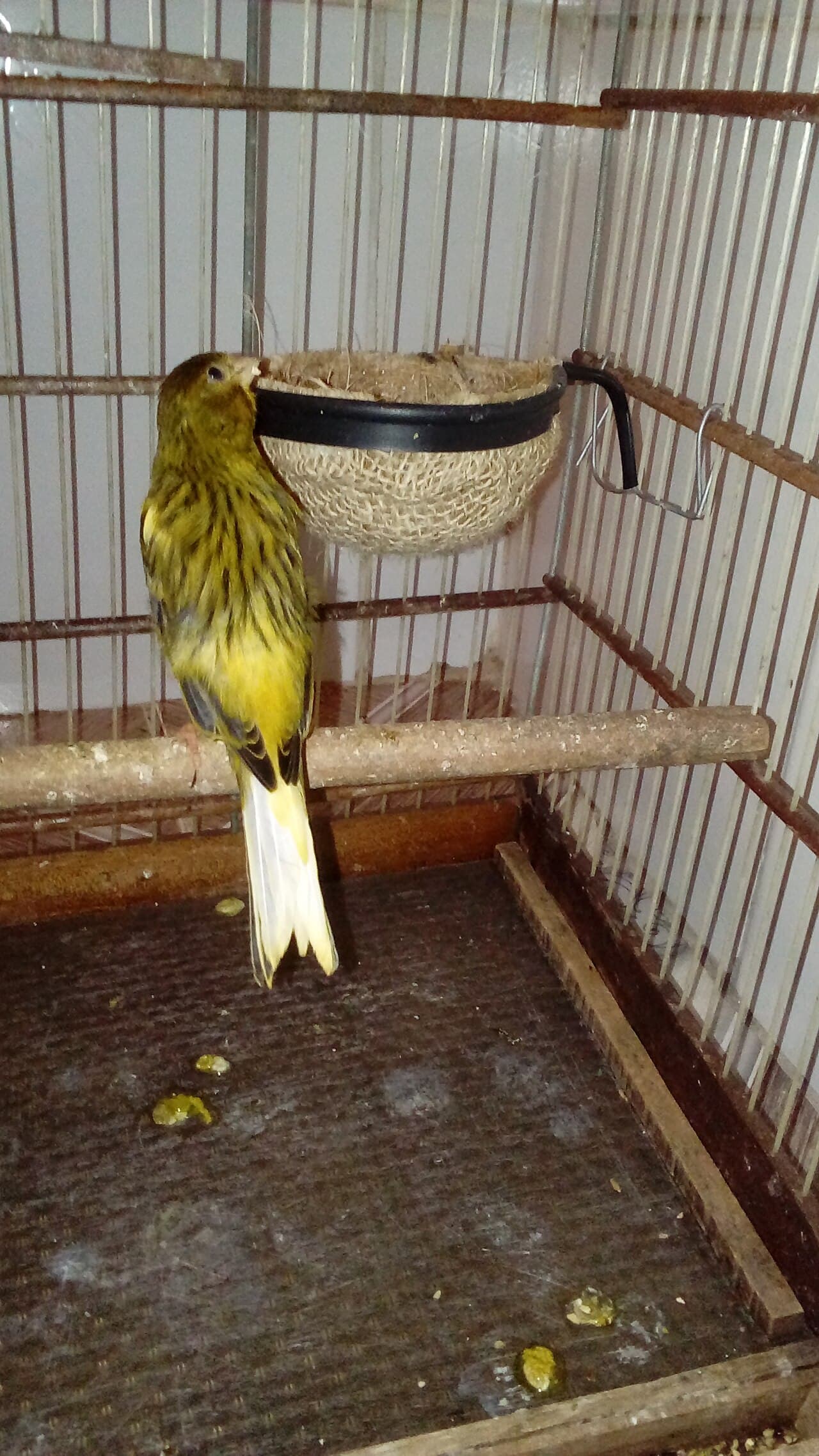
5. Get the setup ready early
Have the breeding cage, divider, nest pan, liners and nesting material set up before the birds are fully ready, so you are not rushing. See canary nest setup.
6. Introduce gradually
Place the birds on either side of a wire divider first. Remove it only when both are clearly ready. Watch the first meeting carefully. See the complete canary breeding guide.
Frequently asked questions
When is canary breeding season?
In the Northern Hemisphere, canaries usually come into breeding condition from late winter into spring as days lengthen. Many keepers pair birds in early to mid spring. Indoor breeders using controlled lighting may start earlier.
Can I breed canaries in winter?
Some experienced breeders breed earlier using controlled light and warmth, but for most keepers it is easier and kinder to follow the natural season.
This guide shares general husbandry information and practical keeping experience. It is not veterinary advice. If your canary seems unwell, contact an avian veterinarian. Spotted an error? Report a correction.
Related guides
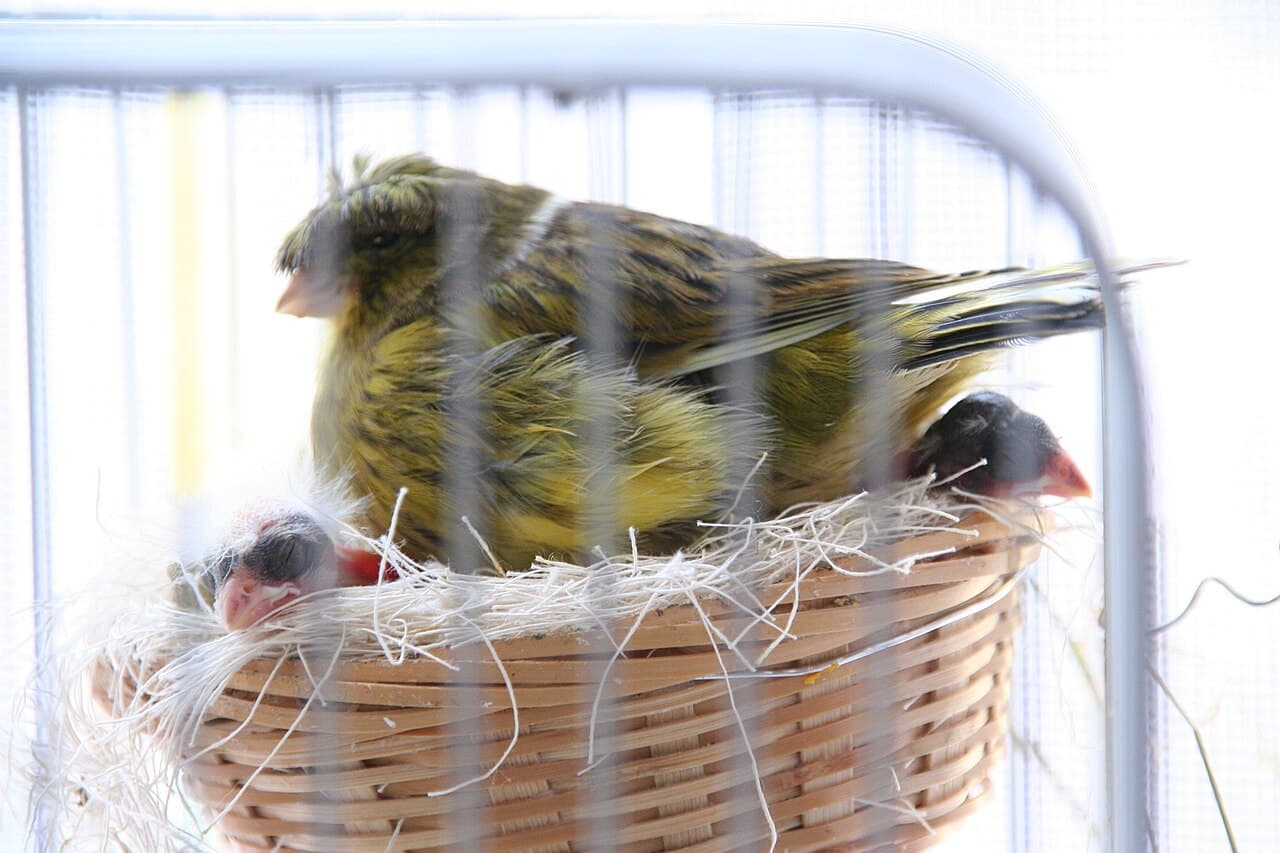
Complete Canary Breeding Guide
A step-by-step canary breeding guide: choosing and conditioning pairs, breeding cages, nests, eggs, incubation, chicks, weaning and how many rounds to allow.
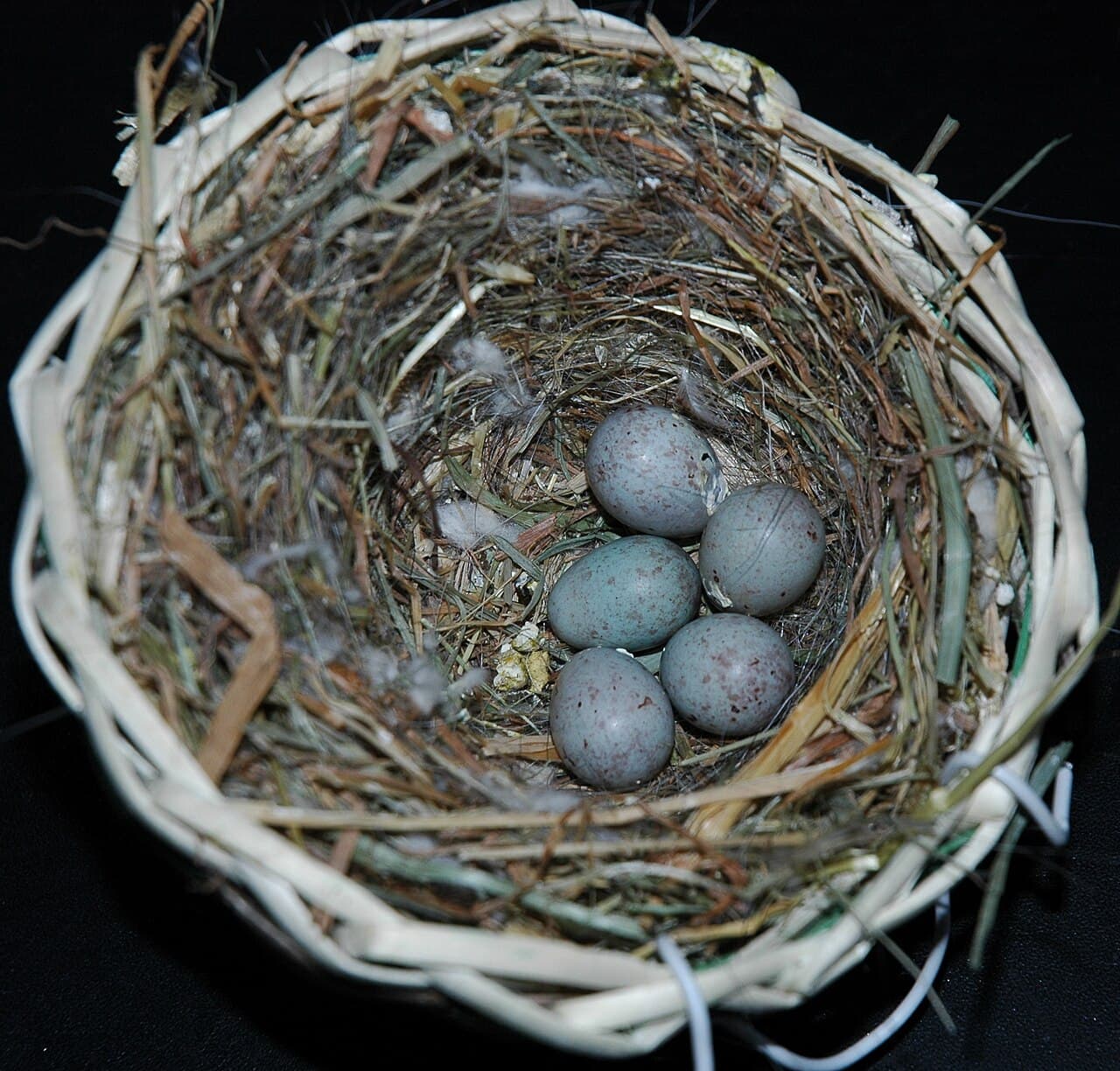
Canary Nest Setup
How to set up a canary nest — choosing and positioning a nest pan, felt liners, safe nesting materials, what to avoid, and what to do when a hen will not use the nest.
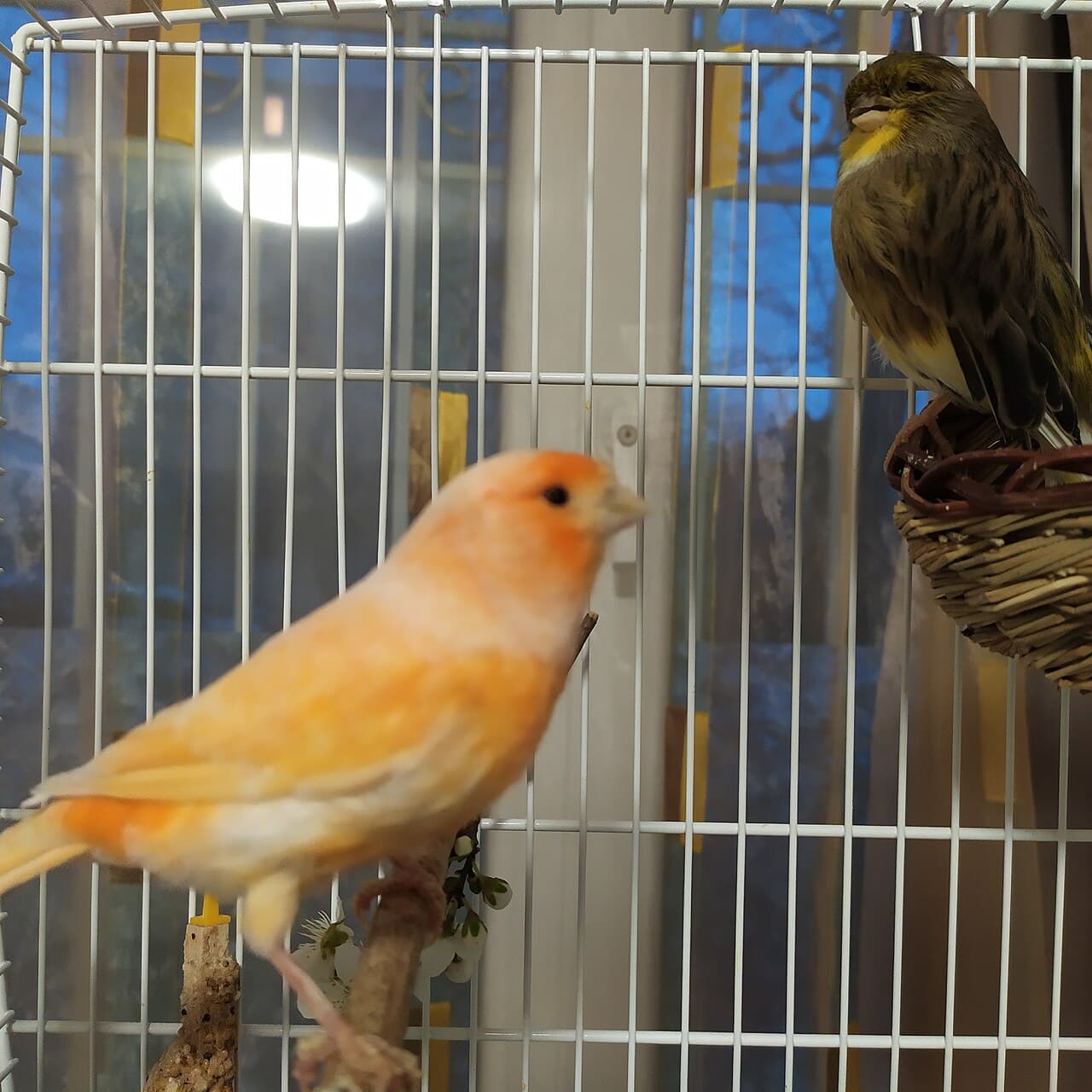
Male vs Female Canary
How to tell male and female canaries apart — singing, behavior, vent shape in breeding condition and other clues — and why sexing young canaries is difficult.
Canary Chick Care
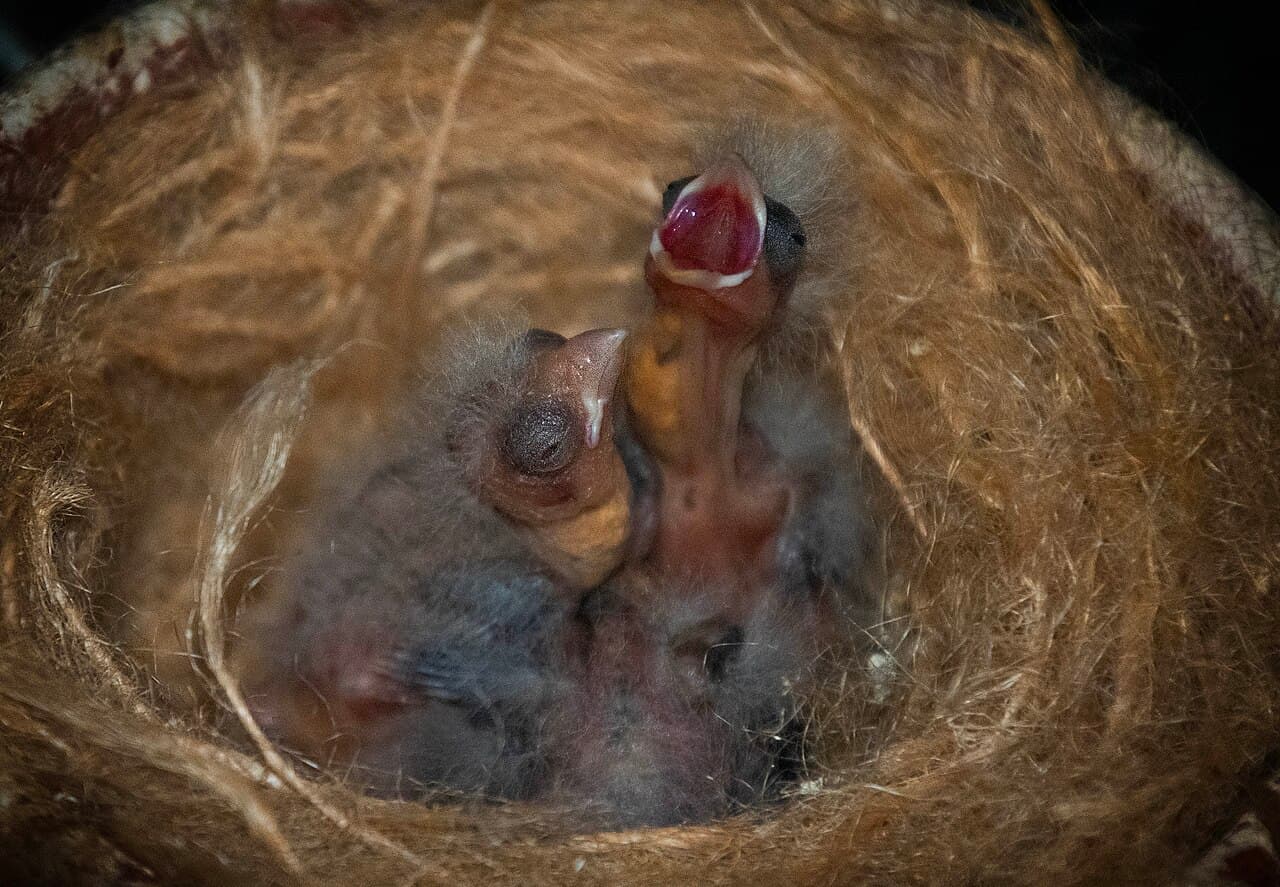
A practical guide to canary chick care — what parents feed baby canaries, what to provide, nest checks, ringing, fledging, weaning and common chick problems.