How Long Do Canaries Live? Lifespan and What Affects It
Domestic canaries commonly live around 10 years, many 8–12 and some longer. What affects canary lifespan and how to help your bird live a long, healthy life.
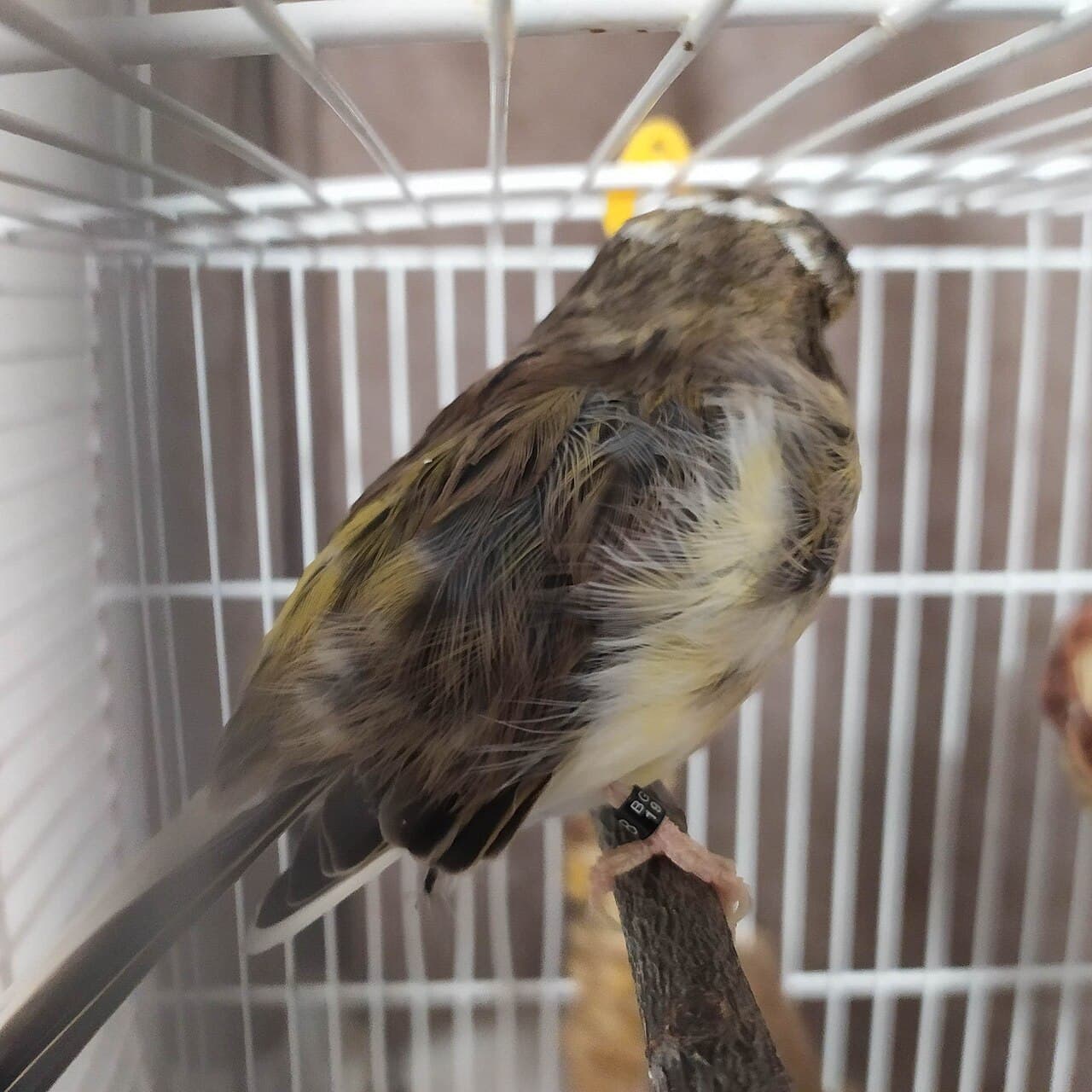
In this guide
Quick answer Well-kept domestic canaries commonly live around 10 years. Many live between 8 and 12 years, and some reach their teens. Diet, housing, clean air, a calm routine, how much a hen is bred and prompt veterinary care all affect how long a canary lives.
Canary lifespan at a glance
| Factor | Effect on lifespan |
|---|---|
| Varied diet (not seed only) | Supports long-term condition |
| Long cage with flight space | Keeps birds fit and at a healthy weight |
| Clean air, no fumes or smoke | Protects a very sensitive respiratory system |
| Regular sleep and light cycle | Supports normal molting and reduces stress |
| Moderate breeding | Heavy breeding strains hens |
| Prompt vet care | Small birds hide illness; early help matters |
How to help your canary live longer
- Feed a varied diet: seed or pellets plus vegetables, greens and egg food in season. See what do canaries eat.
- Give room to fly: see best cage size for a canary.
- Protect clean air: see household dangers for canaries.
- Keep a calm routine with 10–12 hours of darkness.
- Limit breeding rounds for hens.
- Know your avian vet before you need one.
Caring for an older canary
- Lower perches slightly and add a wider, flatter perch.
- Keep food and water close to perches.
- Watch weight, nails and feet.
- Expect a slower molt and quieter song.
For everyday care, read the complete canary care guide.
Frequently asked questions
How can I tell how old my canary is?
Adult canaries are very hard to age by looks. Closed rings fitted as chicks often show the year of hatching, which is the most reliable way to know a bird's age.
Do male or female canaries live longer?
There is no reliable rule. Hens that are bred heavily may be put under more strain, which is one reason many breeders limit the number of rounds each season.
What are signs of an older canary?
Older canaries may become less active, sing less, take longer to molt and sometimes develop overgrown nails or scaly feet. Many keepers lower perches and keep food easy to reach for older birds.
Sources and further reading
- Domestic canary — Wikipedia
This guide shares general husbandry information and practical keeping experience. It is not veterinary advice. If your canary seems unwell, contact an avian veterinarian. Spotted an error? Report a correction.
Related guides
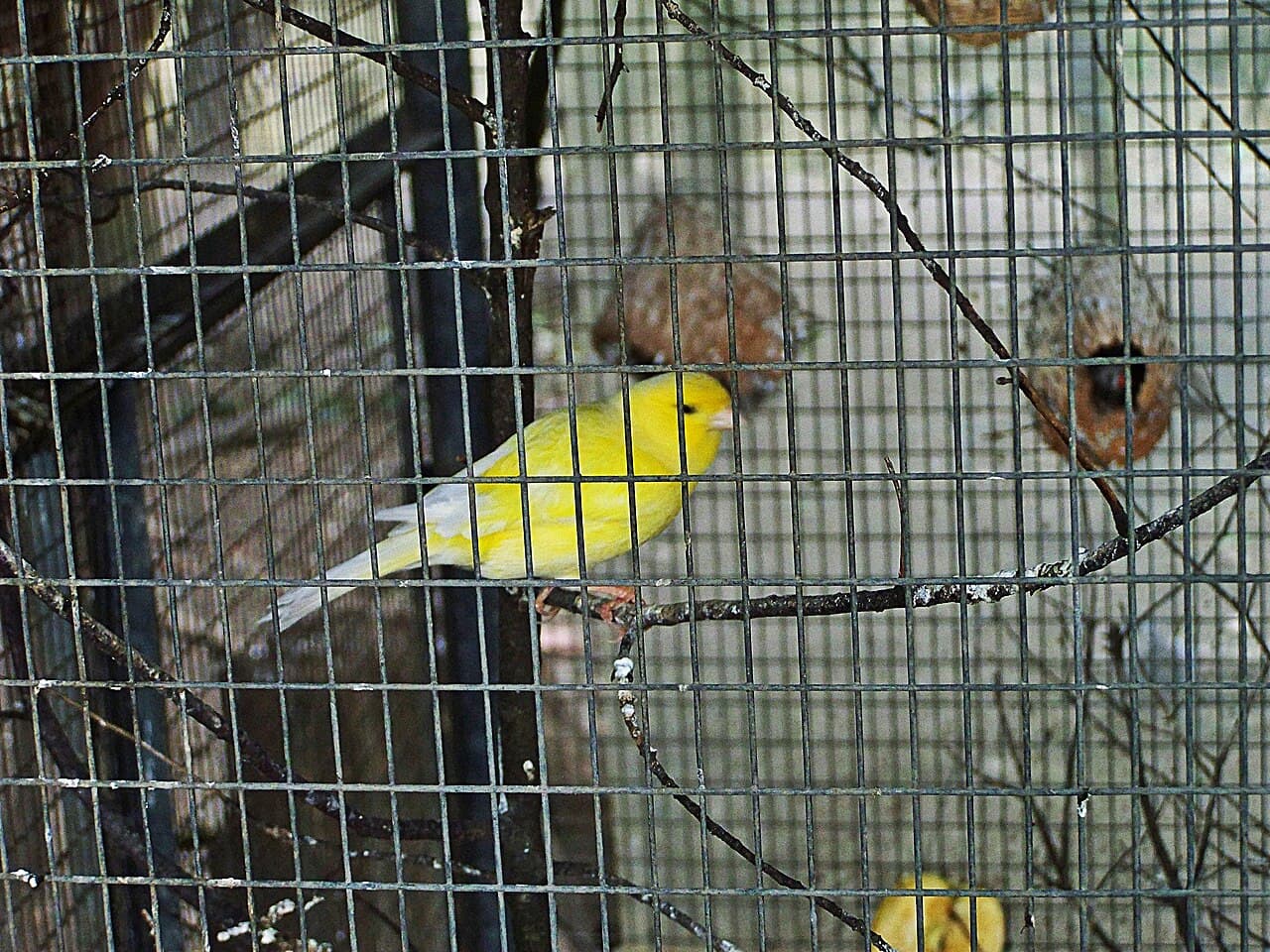
Complete Canary Care Guide
A complete beginner guide to domestic canary care: choosing a canary, cage setup, food, water, sleep, light, bathing, cleaning, molting, breeding and routine.
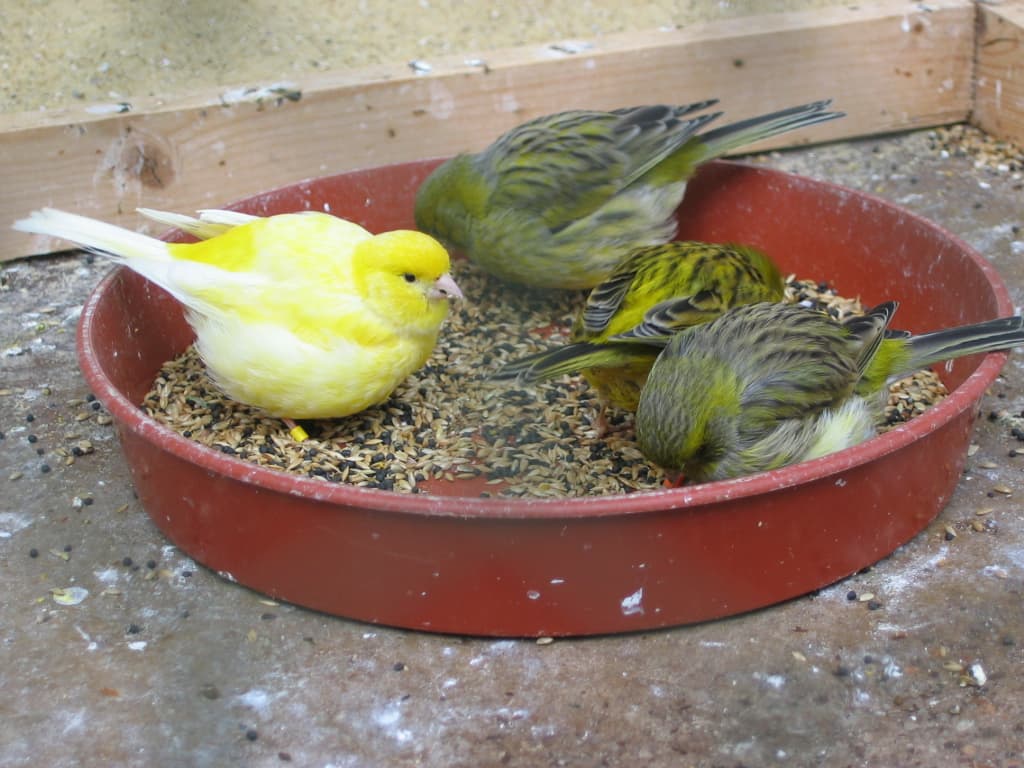
What Do Canaries Eat?
What domestic canaries eat — seed mixes, pellets, vegetables, greens, fruit, egg food, calcium and water — with a sample daily feeding plan and seasonal changes.

Household Dangers for Canaries
Household dangers for pet canaries — non-stick cookware fumes, smoke, aerosols, cleaning products, candles, open water and pets — and how to prevent them.
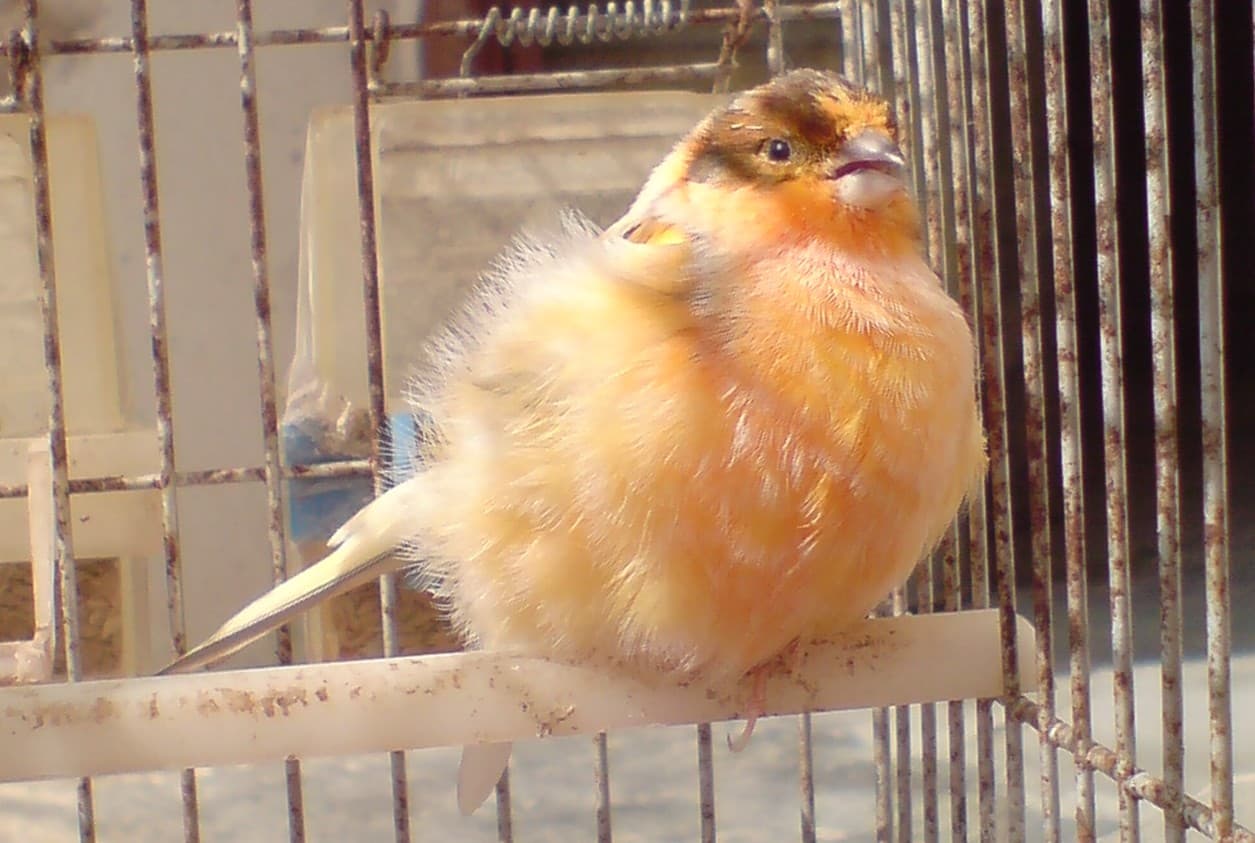
Why Is My Canary Not Singing?
The most common reasons a canary is not singing — female bird, molting, age, new home, season, stress, light and health — and practical steps to help a male sing again.