Best Cage Size for a Canary (One Bird, Pairs and Flights)
What size cage a canary needs — why length matters more than height, practical minimum dimensions for one canary, sizes for pairs and flights, and safe bar spacing.
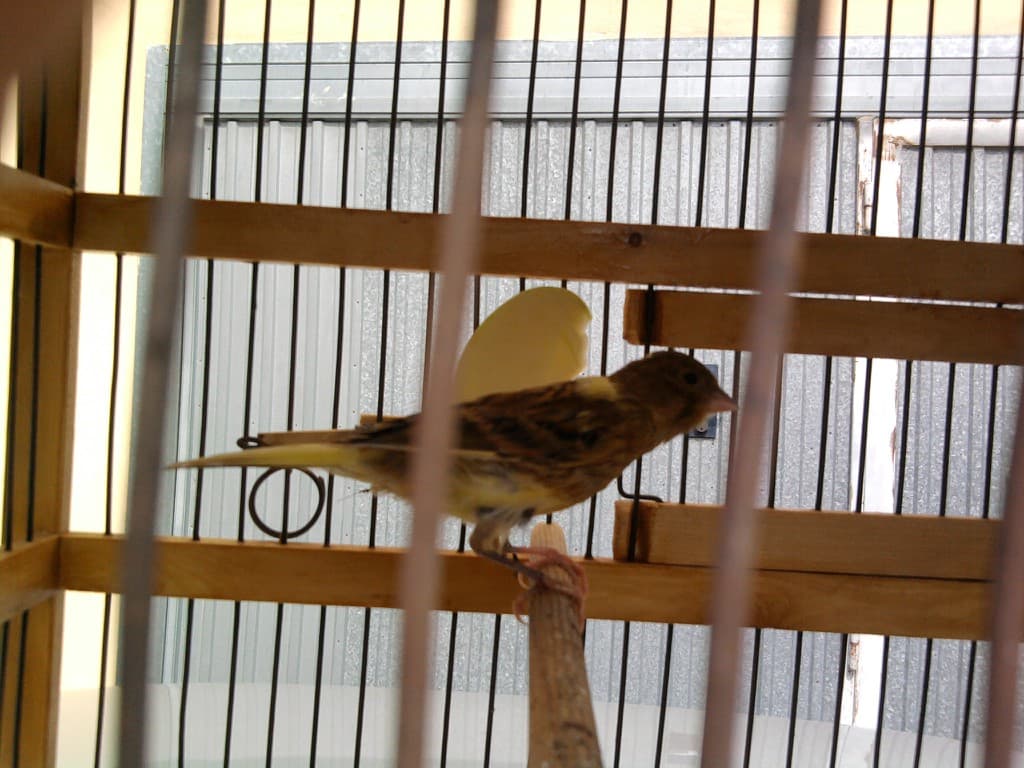
In this guide
Quick answer For one canary, choose a long rectangular cage at least 60 cm (24 in) long — and ideally 75–90 cm (30–36 in) or more — with bar spacing of about 1 cm (3/8 in) or less. Length matters far more than height, because canaries fly horizontally. Two birds, or birds that are kept together long-term, need considerably more room, and a flight cage or aviary is better still.
Cage size is probably the single most important decision you make for a canary. A canary cannot climb around a cage like a parrot — it flies, and it needs room to do it.
Why length beats height
Canaries move by short flights from perch to perch. In a tall, narrow cage a bird hops up and down but cannot fly. In a long cage the same bird can make proper flights, which keeps it fit and helps prevent it from becoming overweight.
When comparing cages, always look first at the length.
Practical size guide
The figures below are commonly used practical guidelines rather than official standards. Bigger is better in every case.
| Birds | Practical minimum length | Better |
|---|---|---|
| One canary | About 60 cm (24 in) | 75–90 cm (30–36 in) or more |
| Two canaries (compatible) | About 75–90 cm (30–36 in) | A flight cage of 100 cm+ (40 in+) |
| Several canaries | A flight cage | An indoor or outdoor aviary |
| Breeding pair | A breeding cage, often divided | Commonly 60–90 cm long with a removable divider |
Depth and height of roughly 40–45 cm (16–18 in) are common for good single-bird cages.
Bar spacing
Use bar spacing of about 1 cm (3/8 in) or less. Wider spacing — common on cages sold for larger birds — risks a canary squeezing its head through or escaping.
Cage shapes compared
| Shape | Suitable? | Notes |
|---|---|---|
| Long rectangle | Best | Maximum flight space |
| Box (breeding-style) cage | Good | Solid sides and top can help birds feel secure |
| Tall "tower" cage | Poor | Height without length |
| Round cage | Not recommended | Little usable flight space |
| Decorative cages | Often poor | Fancy shapes, unsafe finishes, hard to clean |
Other features worth having
- Wide doors for bath access and cleaning
- A pull-out tray so you do not need to open the cage to clean
- Secure door latches
- Sturdy, rust-free, bird-safe finish
Flight cages and aviaries
If you keep more than one canary, or want your bird to fly more, a flight cage (a large, long cage) or an indoor aviary is a big upgrade. Flights reduce squabbling, give birds more exercise and are excellent for housing young birds after weaning.
Related guides
- Best cage setup for a canary — perches, dishes and layout
- Where to put a canary cage
- Common canary care mistakes
Frequently asked questions
Is a round cage OK for a canary?
Round cages are not recommended. They offer little horizontal flight space, and many keepers believe the lack of corners and reference points is unsettling for birds.
Can a cage be too big for a canary?
Not in a harmful way. A very large flight can make a new bird harder to catch and check, but more space is almost always better for a canary's fitness and wellbeing.
This guide shares general husbandry information and practical keeping experience. It is not veterinary advice. If your canary seems unwell, contact an avian veterinarian. Spotted an error? Report a correction.
Related guides

Best Cage Setup for a Canary
How to set up a canary cage properly — cage shape, perch types and placement, food and water dishes, bath, cuttlebone, floor covering and what to leave out.
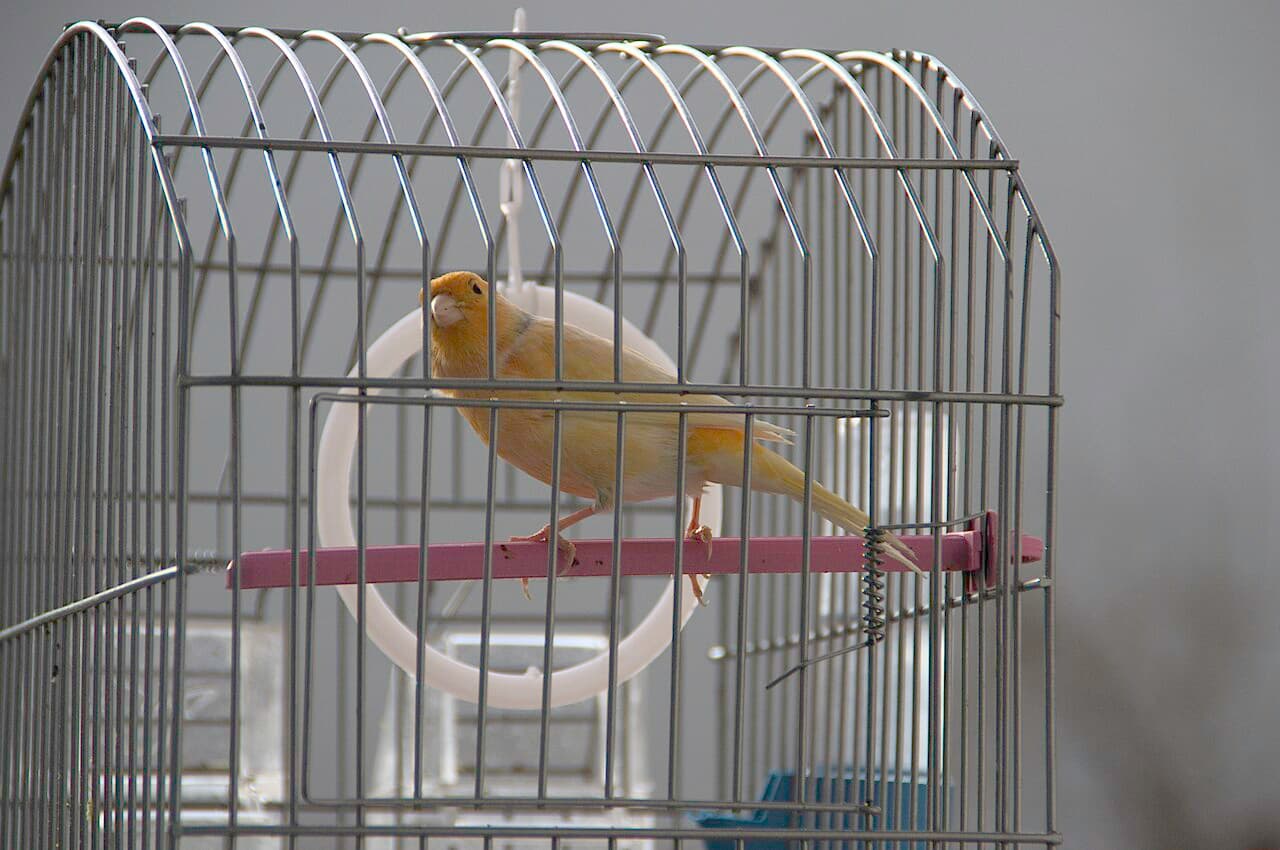
Where to Put a Canary Cage
Where to put a canary cage at home — the best rooms, height and wall position, plus places to avoid such as kitchens, drafty windows, heaters and busy hallways.
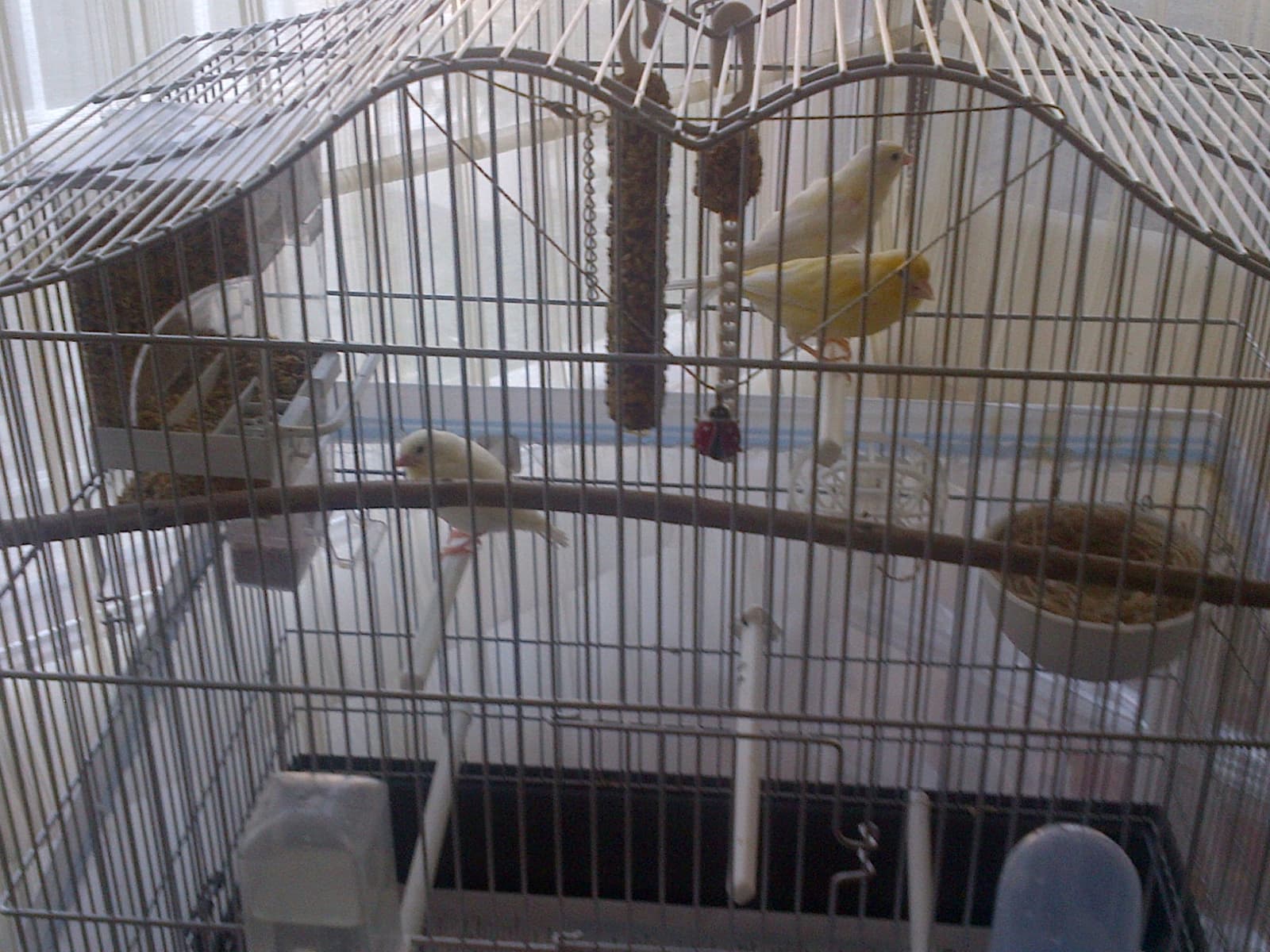
Common Canary Care Mistakes
The most common canary care mistakes — from tall cages and seed-only diets to kitchen fumes and late nights — and simple ways to fix each one.
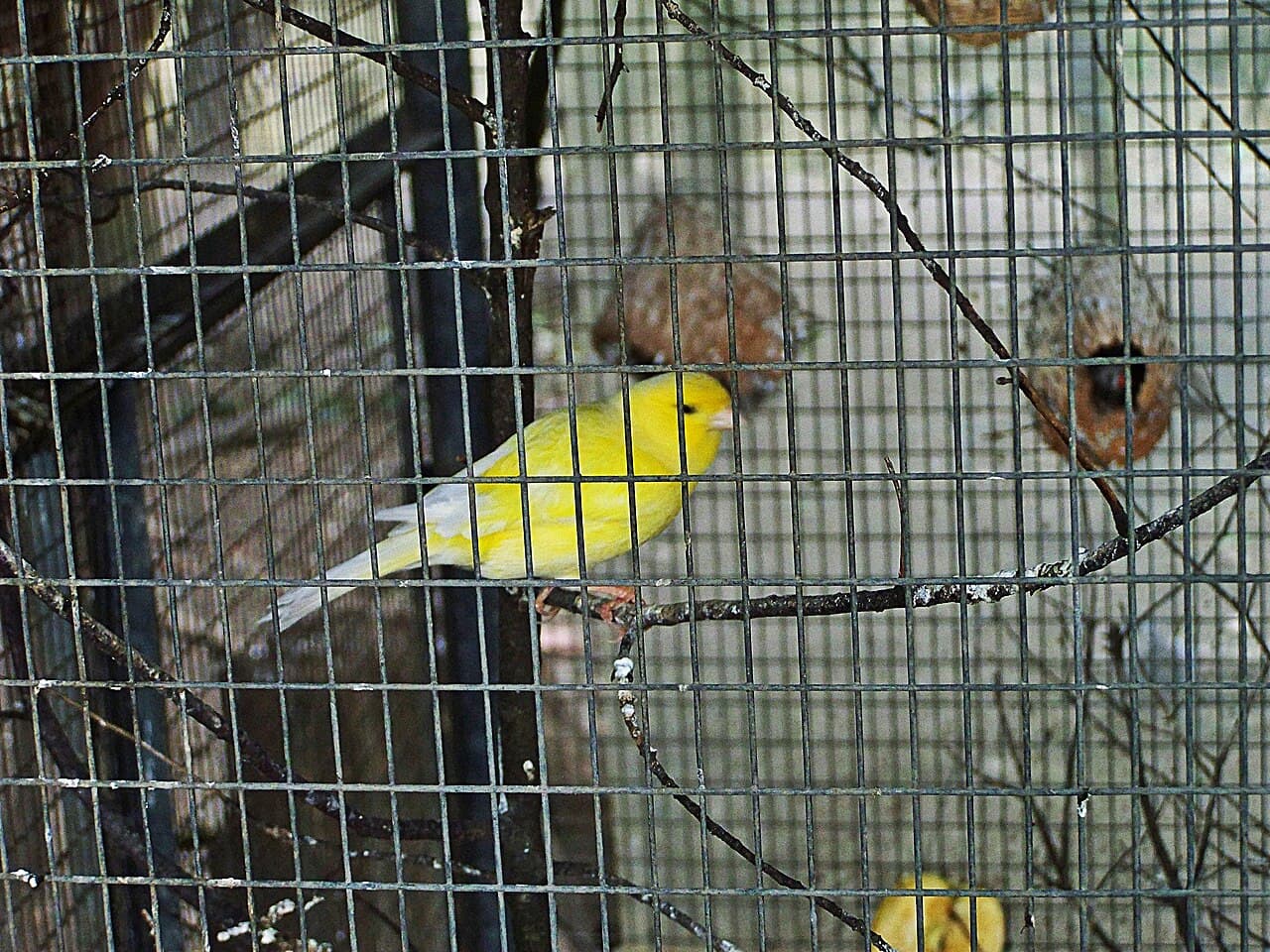
Complete Canary Care Guide
A complete beginner guide to domestic canary care: choosing a canary, cage setup, food, water, sleep, light, bathing, cleaning, molting, breeding and routine.