Male vs Female Canary — How to Tell the Difference
How to tell male and female canaries apart — singing, behavior, vent shape in breeding condition and other clues — and why sexing young canaries is difficult.
In this guide
Quick answer The most reliable everyday clue is song: males sing a full, continuous song, while females mostly chirp and call. In breeding condition, a male's vent protrudes into a small cone pointing forward, while a female's is flatter and rounder. Males also tend to stand tall and display. Young canaries are hard to sex until they start singing or come into breeding condition.
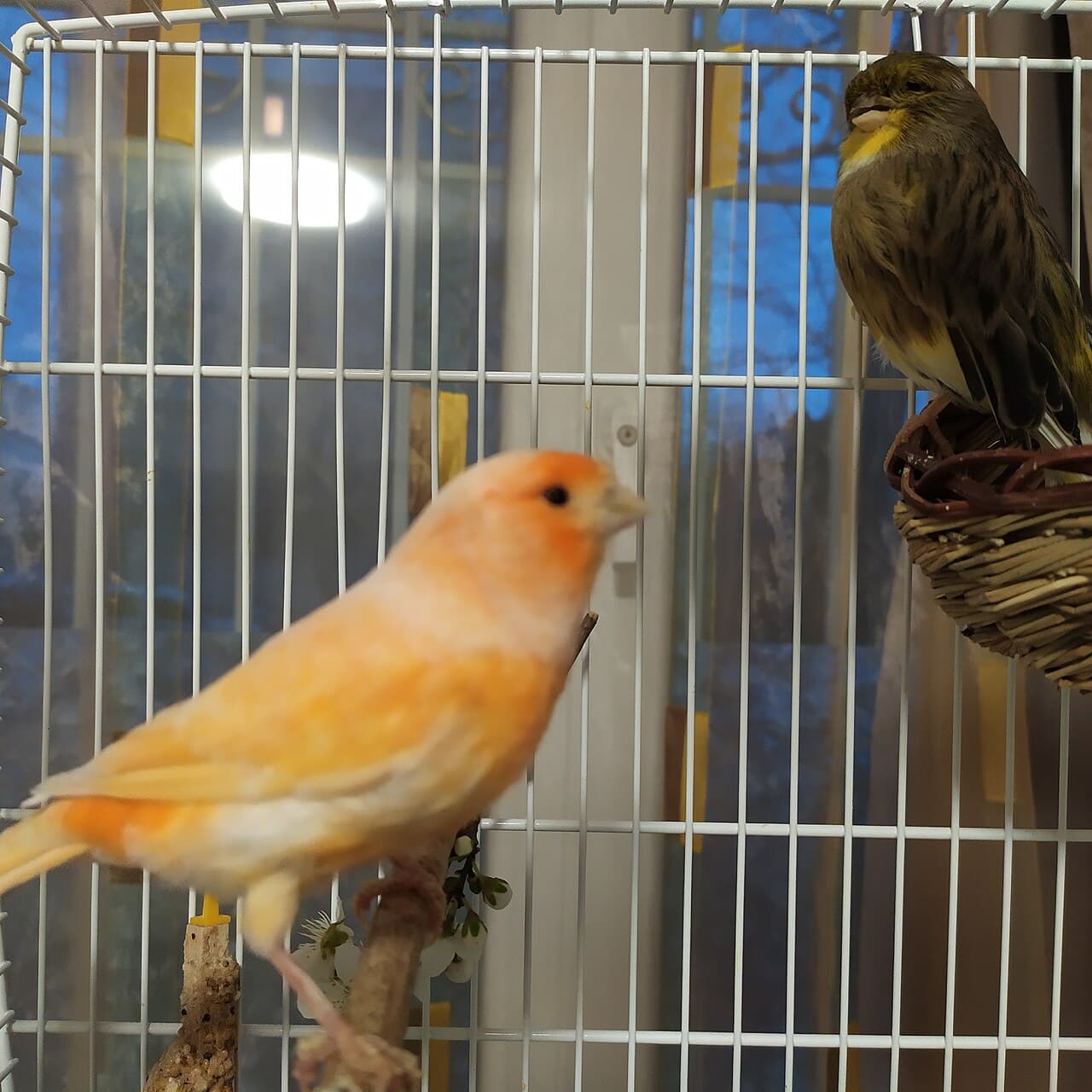
Male and female canaries look alike in most varieties, which is why so many people are surprised when their "male" never sings. Here are the clues breeders use.
Differences at a glance
| Clue | Male | Female |
|---|---|---|
| Song | Full, varied, continuous song | Chirps, calls, sometimes short twitters |
| Posture when singing | Stands tall, throat puffed, often with wings slightly lowered | Rarely sings this way |
| Vent (breeding condition) | Protrudes into a small cone, angled slightly forward | Flatter, rounder, angled slightly back |
| Behavior in spring | Sings loudly, may "dance" and feed the female | Carries nesting material, tears paper, may crouch |
| Body shape | Often described as slightly slimmer or more upright — not reliable | Not reliable |
| Appearance | Usually identical | Usually identical |
Song: the best everyday clue
A male sings a long, structured song, often for minutes at a time, standing upright with his throat visibly moving. Females vocalize in shorter bursts. Some females do produce short songs, so a quiet bird is not always female — and a young male may not sing yet.
Vent sexing in breeding condition
When canaries come into breeding condition in spring, the area around the vent changes. With the bird held gently and the feathers blown aside:
- Males: the vent forms a small protruding cone, pointing slightly forward.
- Females: the vent is flatter and the abdomen often looks fuller.
This is only reliable in breeding condition. Outside the season, the difference is much harder to see. Ask an experienced breeder to show you before you try.
Behavior in the breeding season
- Males sing intensely, chase or follow females, and may regurgitate food to feed a hen.
- Females carry paper and nesting material around, tear at the cage floor covering, call to the male and may crouch with tail raised when ready to mate.
Sexing young canaries
Young birds are difficult to sex. Young males begin a quiet sub-song in their first months, but some young females also twitter. Most breeders wait until birds are singing clearly, or until the first spring, to be sure. DNA sexing is available when certainty matters.
Why it matters
- If you want song, you need a male.
- Two males in one cage often fight, especially in spring.
- A male and female housed together will try to breed. See the complete canary breeding guide.
Related: why is my canary not singing and how to prepare canaries for breeding.
Frequently asked questions
Can you tell a canary's sex by its color?
Not in most varieties. Male and female canaries generally look alike in color and pattern. Sex is usually judged by song, behavior and, in breeding condition, the shape of the vent.
Is DNA sexing possible for canaries?
Yes. DNA sexing from a feather or blood sample is offered by some laboratories and avian vets, and is the most reliable method when you need certainty.
This guide shares general husbandry information and practical keeping experience. It is not veterinary advice. If your canary seems unwell, contact an avian veterinarian. Spotted an error? Report a correction.
Related guides
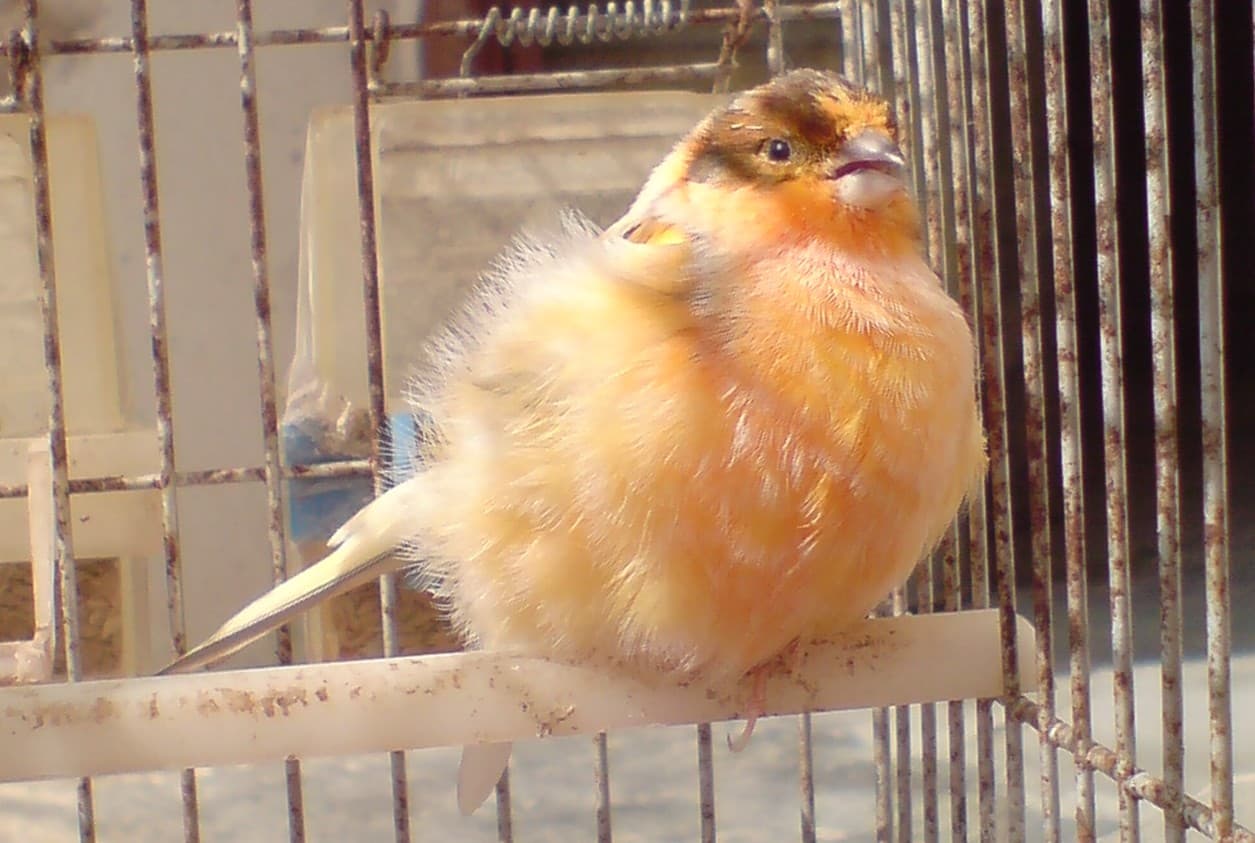
Why Is My Canary Not Singing?
The most common reasons a canary is not singing — female bird, molting, age, new home, season, stress, light and health — and practical steps to help a male sing again.
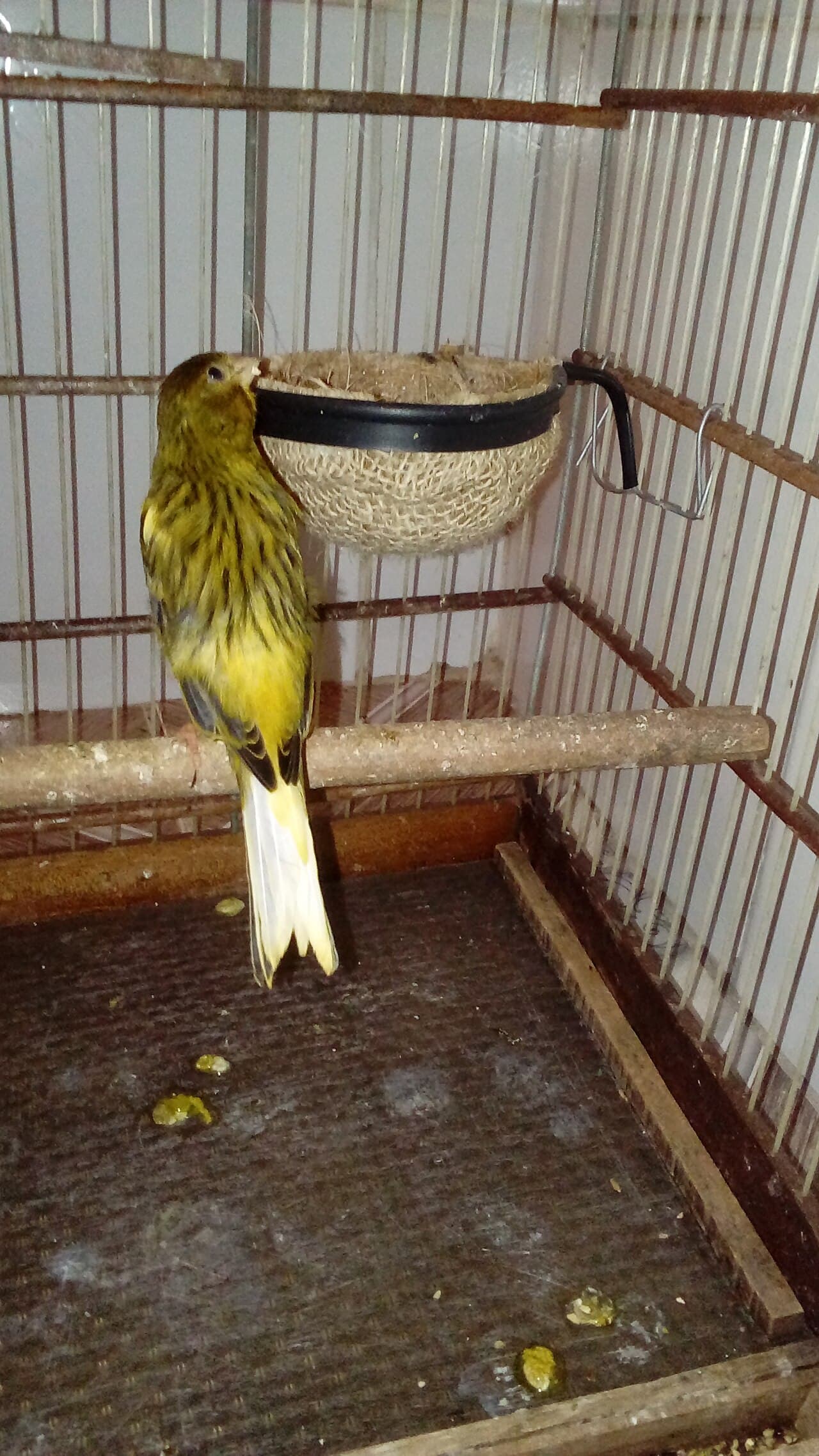
How to Prepare Canaries for Breeding
How to prepare canaries for breeding — health checks, conditioning diet, daylight, timing, and the signs that male and female canaries are ready to pair.
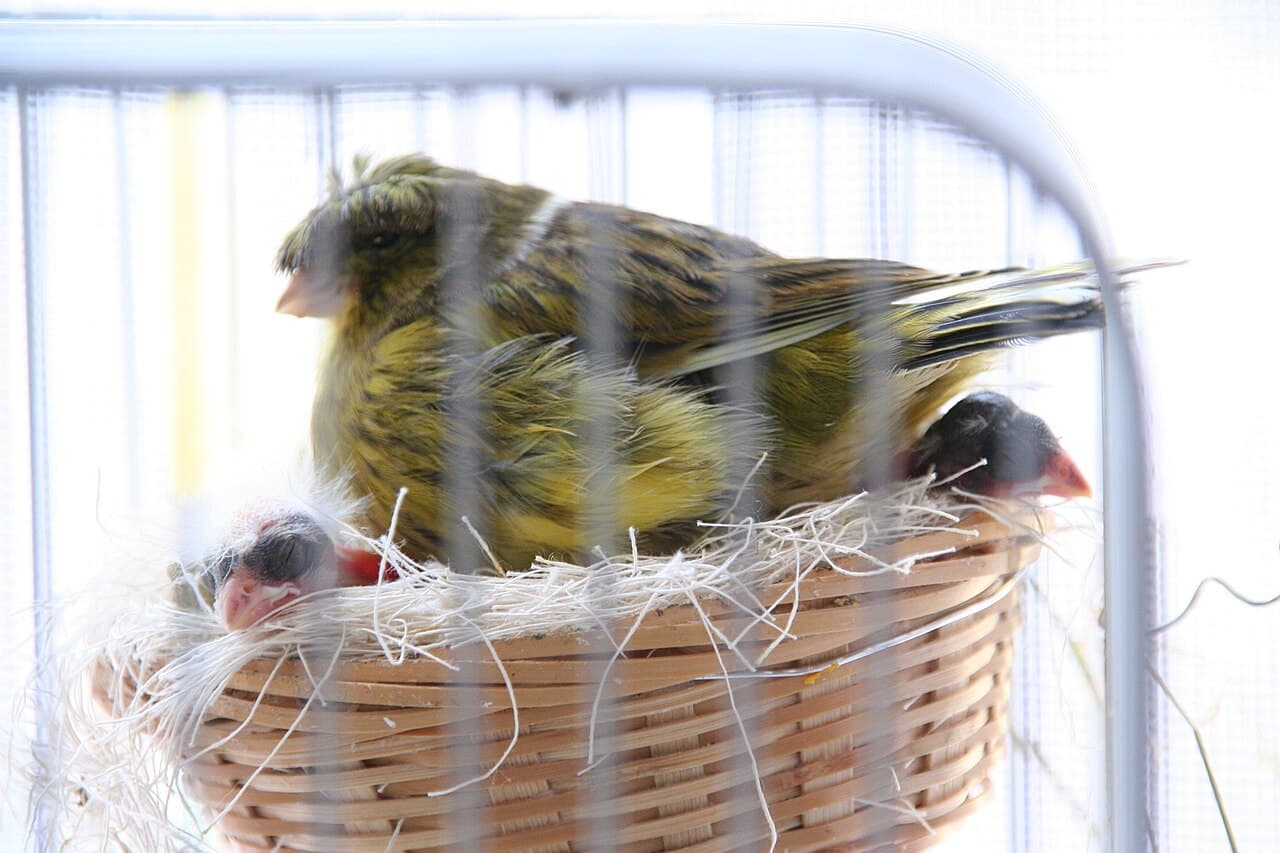
Complete Canary Breeding Guide
A step-by-step canary breeding guide: choosing and conditioning pairs, breeding cages, nests, eggs, incubation, chicks, weaning and how many rounds to allow.
Complete Canary Care Guide
A complete beginner guide to domestic canary care: choosing a canary, cage setup, food, water, sleep, light, bathing, cleaning, molting, breeding and routine.