How to Tame a Canary — Realistic, Gentle Steps
A realistic guide to taming a canary — what "tame" means for a canary, a step-by-step trust-building plan using routine and food, and what not to do.
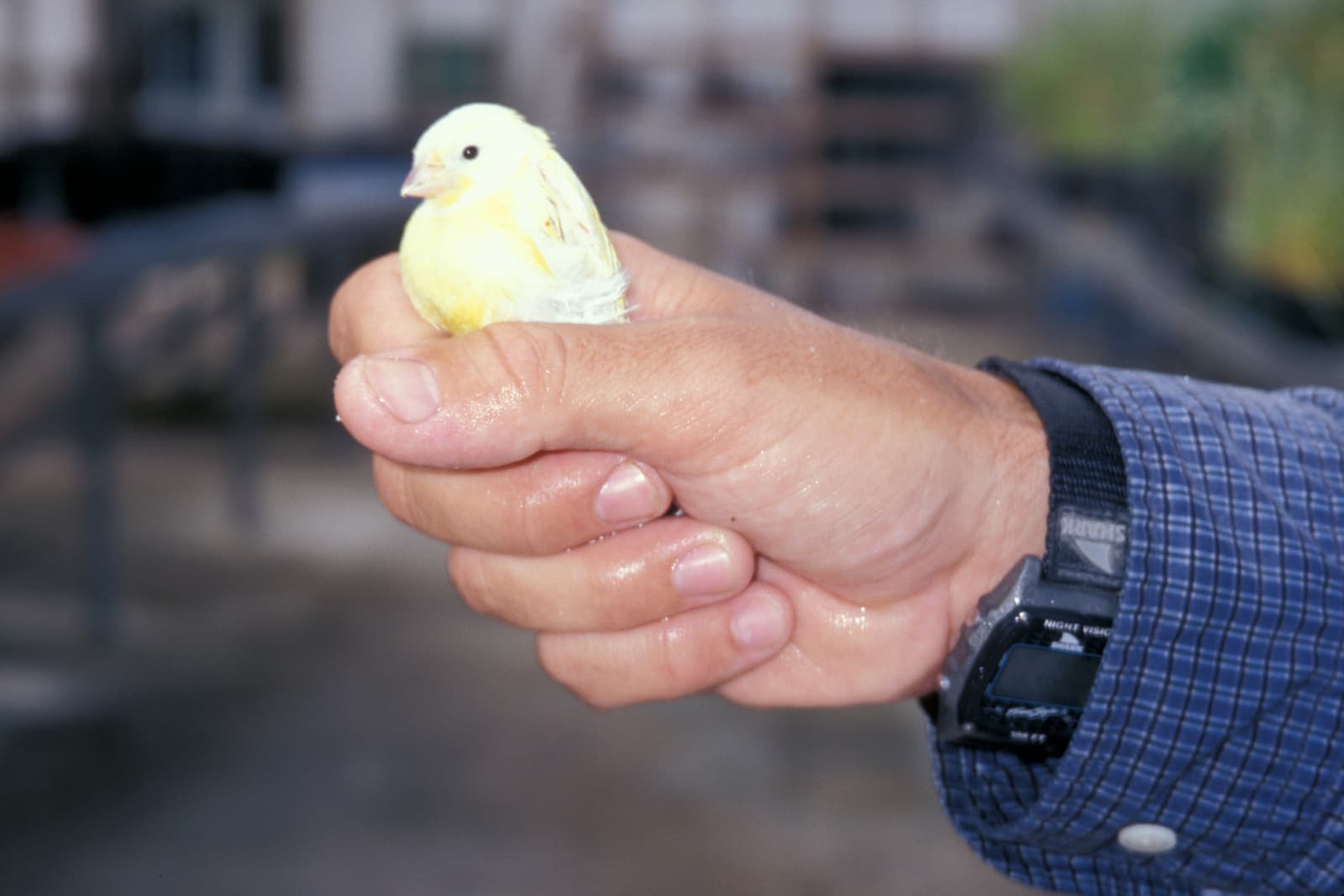
In this guide
Quick answer Taming a canary means helping it feel relaxed around you, not turning it into a lap pet. Start with a calm cage setup and a predictable routine, sit quietly near the cage daily, then offer a favorite food at the bars and gradually closer to your hand. Move slowly, never chase or grab, and let the bird set the pace — it can take weeks or months.
Canaries are not cuddly birds by nature. But with patience, many become relaxed and confident around their keepers — and a few will even hop onto a finger. Here is a realistic approach.
What "tame" means for a canary
| Level | What it looks like |
|---|---|
| Settled | Eats, preens and sings while you are in the room |
| Relaxed | Stays on its perch while you change food and water |
| Trusting | Comes towards the bars when you bring a treat |
| Hand-tame | Takes food from your fingers or steps onto a finger (not all canaries reach this) |
Aim for "relaxed" and "trusting" first.
Step-by-step taming plan
Week 1–2: Settle in
- Get the setup right: long cage at head height, against a wall. See why is my canary afraid of me.
- Do the daily routine at the same time each day.
- Spend time sitting quietly near the cage.
Weeks 2–4: Food association
- Choose a favorite treat — a broccoli floret, a piece of egg food or a sprig of greens.
- Offer it at the same time each day, clipped to the bars near you, then sit nearby.
- Gradually sit a little closer over several days.
Weeks 4 onwards: Closer contact
- Hold the treat at the bars with your fingers so the bird has to come close to eat.
- Keep your hand still and low. Look slightly away rather than staring.
- If the bird is confident, rest a finger near the perch inside the cage while it eats.
What not to do
- Do not chase or grab the bird to "get it used to hands".
- Do not clip wings to make taming easier.
- Do not withhold food to make the bird hungry for treats.
- Do not rush — one bad experience can set progress back weeks.
Young birds tame more easily
Young canaries that have been around calm people from weaning tend to be more confident. Older birds, or birds from large aviaries, may stay more wary — and that is fine.
Related: signs of canary stress and how to introduce a canary to a new home.
Frequently asked questions
Can canaries be hand-tamed?
Some can, particularly birds that were handled gently from a young age, but many never become comfortable sitting on a hand. A calm canary that eats, sings and bathes happily while you are nearby is a good outcome.
Should I let my canary out of the cage to tame it?
It is not necessary and carries risks — windows, mirrors, open doors, pets and the stress of being caught again. Trust can be built through the cage bars.
This guide shares general husbandry information and practical keeping experience. It is not veterinary advice. If your canary seems unwell, contact an avian veterinarian. Spotted an error? Report a correction.
Related guides
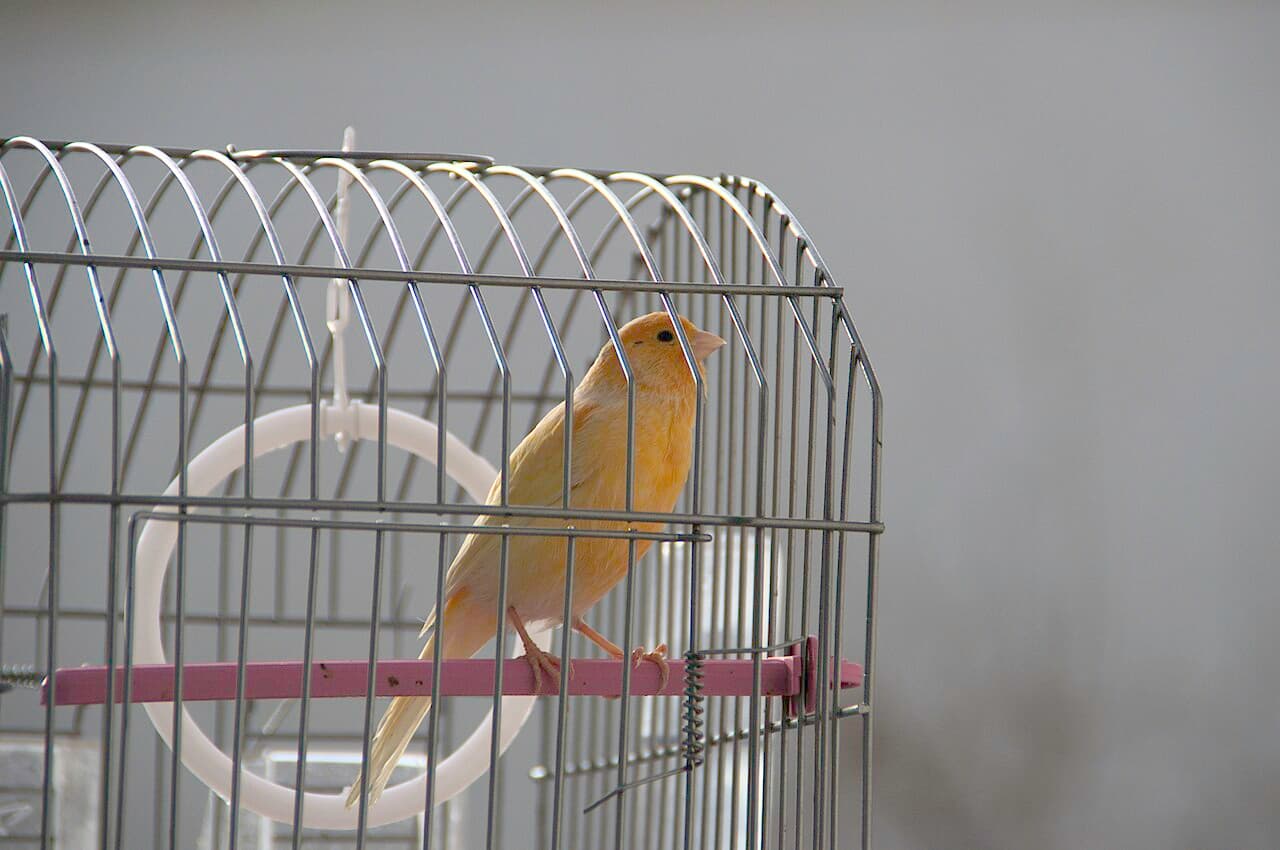
Why Is My Canary Afraid of Me?
Why canaries panic or flutter when you come near, and practical steps to help a nervous canary feel safe — cage position, movement, routine and patience.
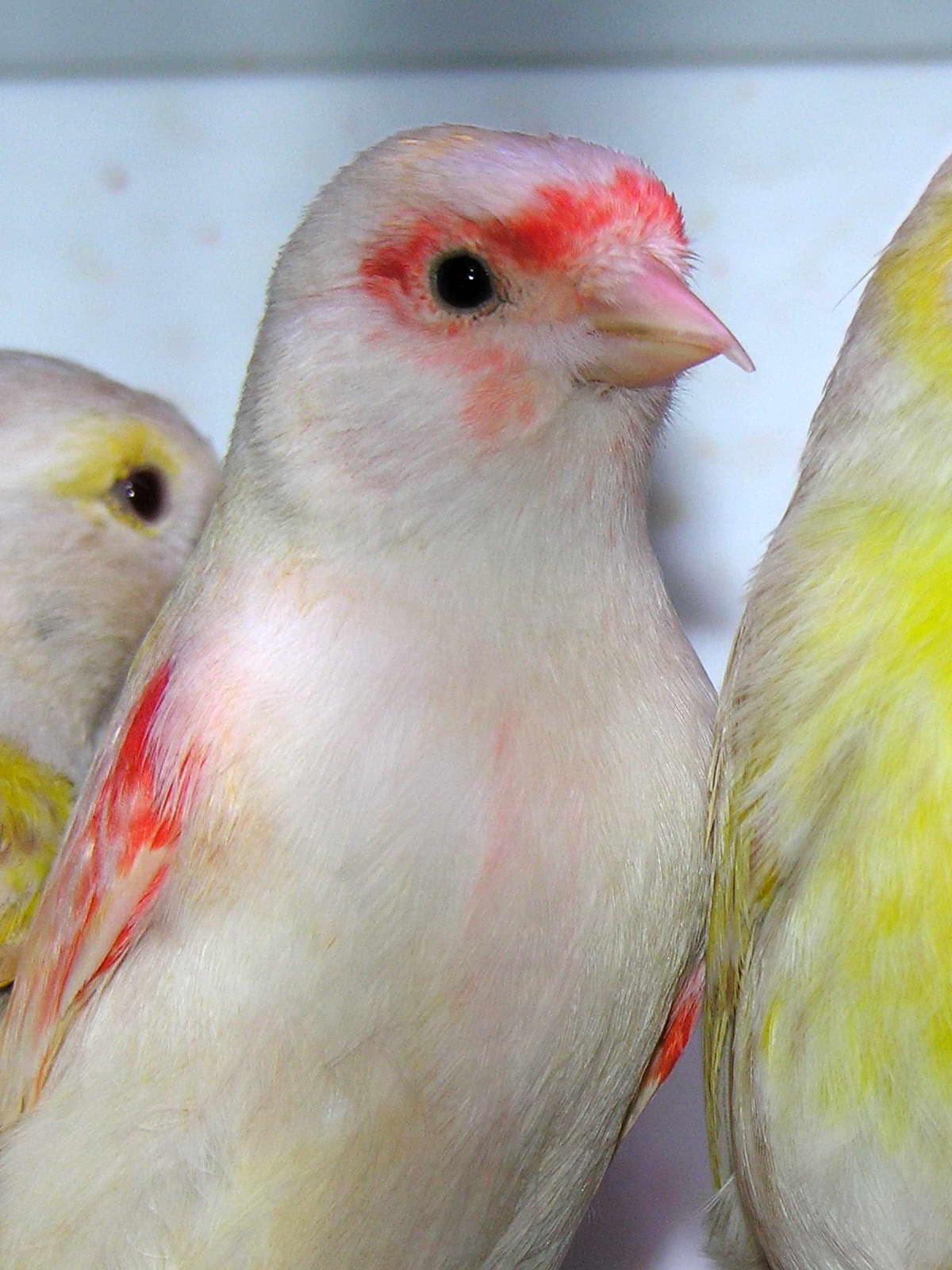
Signs of Canary Stress
How to recognize stress in a canary — panic, feather condition, reduced singing, appetite changes — the common causes at home and how to create a calmer environment.
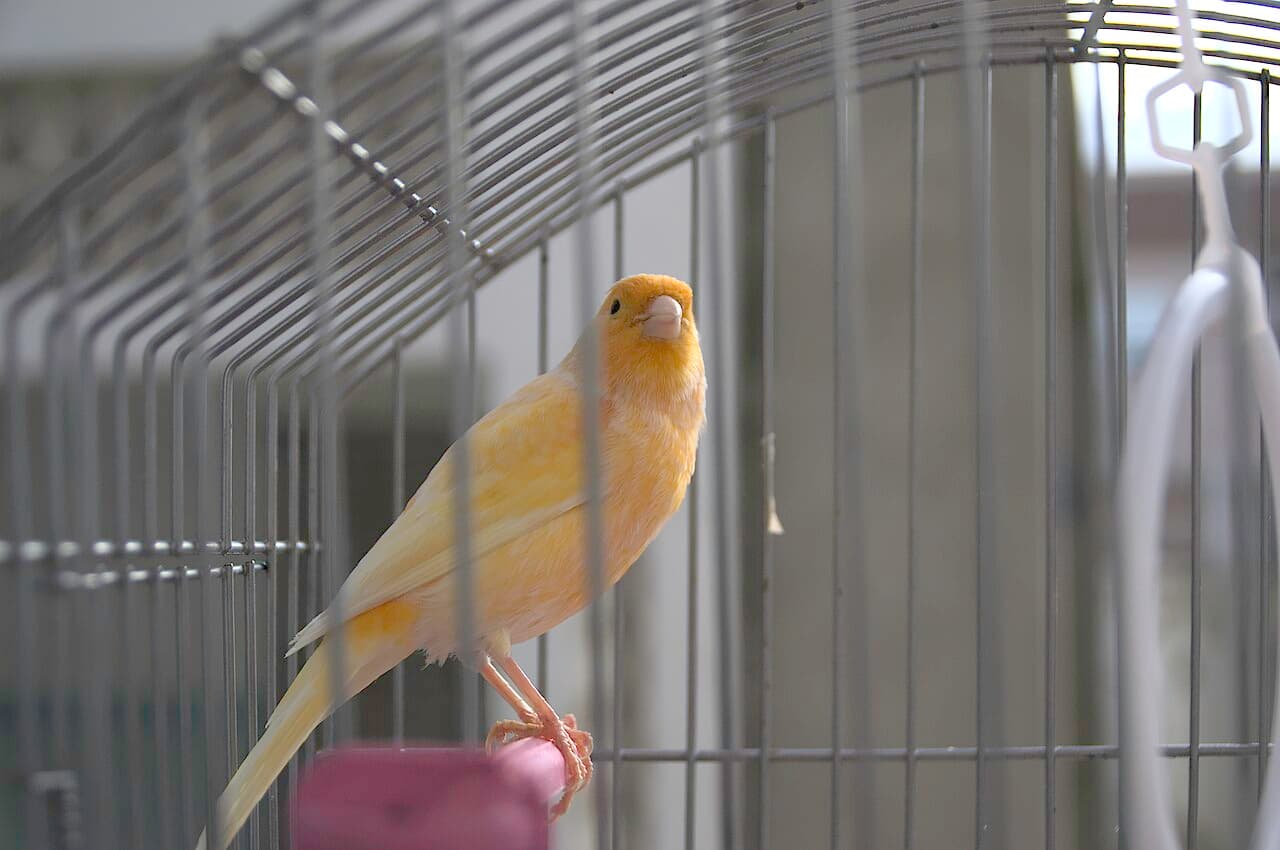
How to Introduce a Canary to a New Home
A calm, step-by-step plan for bringing a new canary home — preparing the cage, the journey, the first days, when it will start singing and introducing it to other birds.
Complete Canary Care Guide
A complete beginner guide to domestic canary care: choosing a canary, cage setup, food, water, sleep, light, bathing, cleaning, molting, breeding and routine.