Signs of Canary Stress and How to Reduce It
How to recognize stress in a canary — panic, feather condition, reduced singing, appetite changes — the common causes at home and how to create a calmer environment.
In this guide
Quick answer Common signs of stress in canaries include panicking or fluttering when approached, frequent night frights, reduced or no singing in a male that normally sings, feathers held tight against the body, restless pacing, reduced appetite and out-of-season feather loss. Common causes are a poorly placed cage, pets, noise, lack of rest, overcrowding and frequent changes.
Stress in canaries is often subtle. Learning your bird's normal behavior is the best way to notice when something is not right.
Signs of stress
| Sign | What it can look like |
|---|---|
| Panic or fluttering | Flying wildly into the cage sides when someone approaches |
| Night frights | Crashing around the cage in the dark |
| Reduced singing | A male that normally sings goes quiet (outside the molt) |
| Tight, sleeked feathers | Feathers pressed flat, body upright and alert |
| Restlessness | Constant jumping or pacing between the same two perches |
| Appetite changes | Eating less, or not eating while you are nearby |
| Feather problems | Out-of-season molting, feather picking or poor condition |
| Hiding | Staying in a corner or behind objects |
Some of these signs can also indicate illness. If your bird is fluffed up, lethargic, sitting on the floor or eating noticeably less, contact an avian vet.
Signs of a comfortable canary
- Alert, with smooth feathers in the daytime
- Eats, drinks, preens and bathes normally
- Moves freely between perches
- Sleeps through the night
- Sings regularly in season (males)
- Carries on normally when familiar people are in the room
Common causes of stress
- Cage location — busy hallways, kitchens, drafty windows, a cage on the floor or in the middle of a room. See where to put a canary cage.
- Pets — cats watching the cage are a major stressor.
- Lack of rest — late nights under lights. See how much sleep does a canary need.
- Small or crowded cages — no room to fly or escape a cage mate.
- Incompatible cage mates — two males, or a bully.
- Frequent changes — moving the cage, rearranging perches, new objects.
- Handling — repeated catching.
- Noise — loud music, television right beside the cage.
How to reduce stress
- Place the cage at head height, against a wall, in a calm room.
- Keep a regular routine and a regular bedtime.
- Separate birds that do not get on.
- Provide a long cage with clear flight space.
- Make changes one at a time.
- Keep pets out of the bird's room.
Related: why is my canary afraid of me and why is my canary not singing.
Frequently asked questions
Can stress make a canary sick?
Ongoing stress is widely believed to make birds more vulnerable to health problems. Reducing stress is part of good husbandry — but if your canary shows signs of illness, have it seen by an avian vet rather than assuming it is just stress.
How do I know if my canary is happy?
A comfortable canary is alert, eats and drinks normally, preens, bathes, moves freely around the cage, sleeps well at night and — if male — sings regularly in season.
This guide shares general husbandry information and practical keeping experience. It is not veterinary advice. If your canary seems unwell, contact an avian veterinarian. Spotted an error? Report a correction.
Related guides
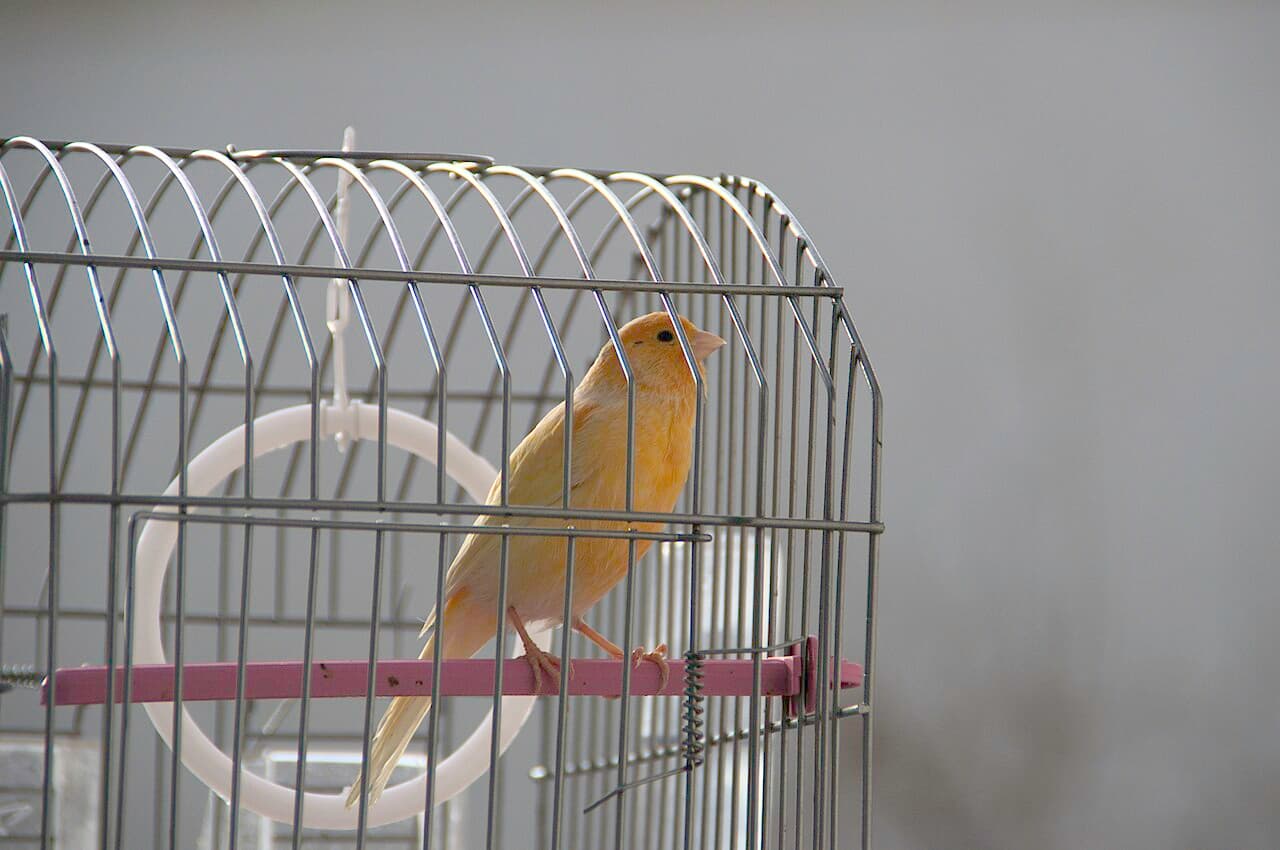
Why Is My Canary Afraid of Me?
Why canaries panic or flutter when you come near, and practical steps to help a nervous canary feel safe — cage position, movement, routine and patience.
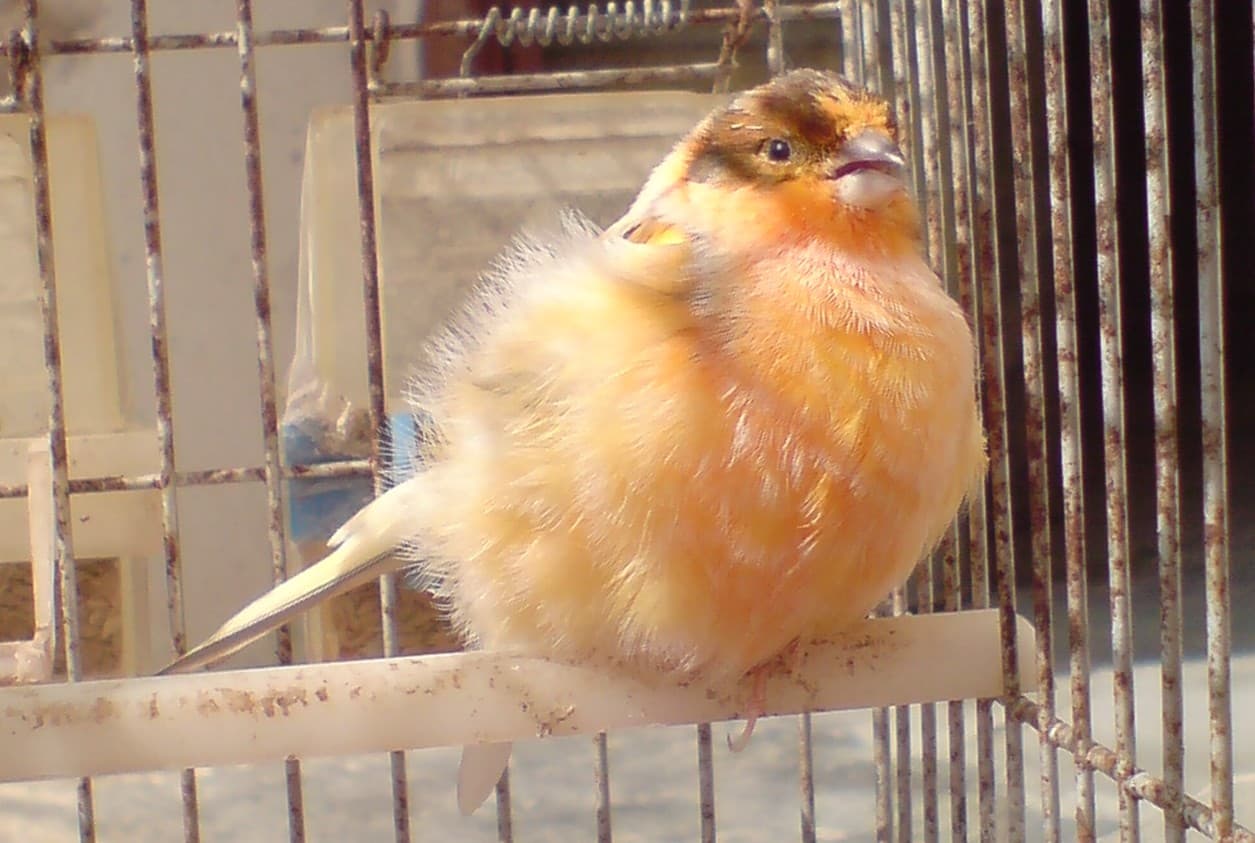
Why Is My Canary Not Singing?
The most common reasons a canary is not singing — female bird, molting, age, new home, season, stress, light and health — and practical steps to help a male sing again.
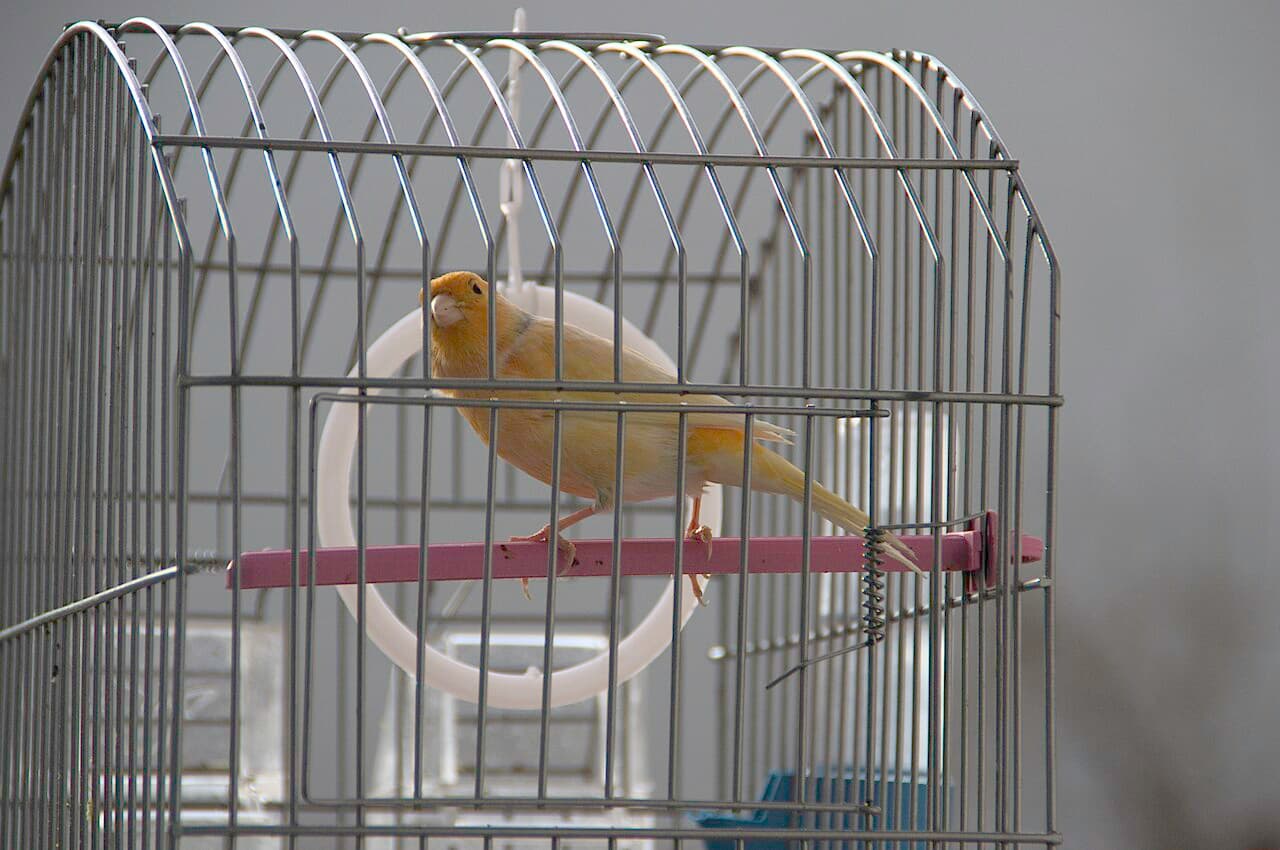
Where to Put a Canary Cage
Where to put a canary cage at home — the best rooms, height and wall position, plus places to avoid such as kitchens, drafty windows, heaters and busy hallways.
Complete Canary Care Guide
A complete beginner guide to domestic canary care: choosing a canary, cage setup, food, water, sleep, light, bathing, cleaning, molting, breeding and routine.