How to Introduce a Canary to a New Home
A calm, step-by-step plan for bringing a new canary home — preparing the cage, the journey, the first days, when it will start singing and introducing it to other birds.
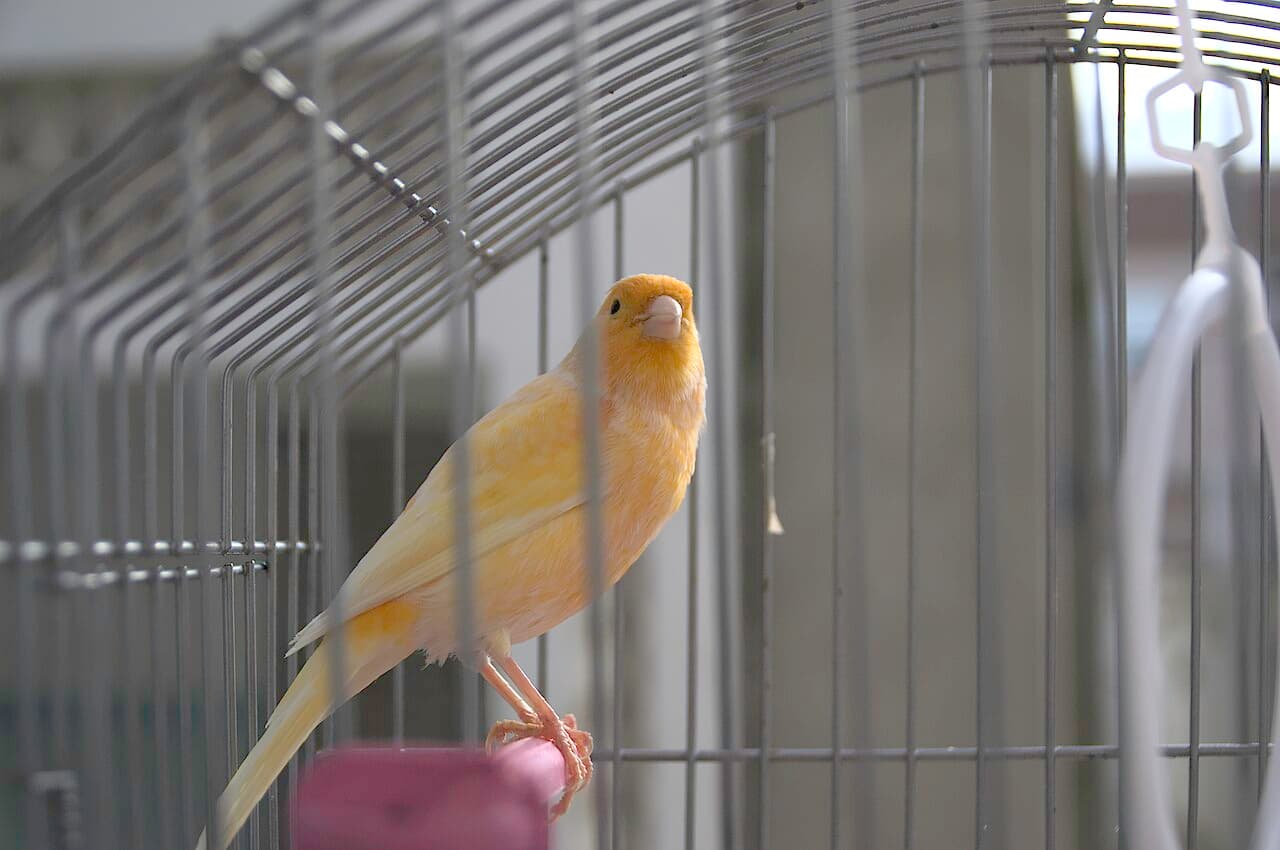
In this guide
Quick answer Set up the cage before the bird arrives, transport it in a small covered carrier, release it into the cage with food and water ready, then leave it in peace. Keep the first few days quiet and routine, use the same seed it had before, and do not expect singing straight away. Quarantine a new bird if you already keep others.
Moving house is stressful for a small bird. Everything changes at once: the cage, the room, the sounds, the light and the people. A calm, well-prepared introduction helps a canary settle much faster.
Before your canary arrives
- Set up the cage completely: perches at each end, water, food, cuttlebone and floor paper. See best cage setup for a canary.
- Choose the location before the bird arrives, so you do not need to move the cage later. See where to put a canary cage.
- Ask the seller what the bird has been eating, and buy the same seed. Change diets gradually, later.
Bringing your canary home
- Use a small carrier or travel box, partly covered. A small space keeps the bird from injuring itself.
- Keep the journey short, quiet and at a comfortable temperature — never leave a bird in a parked car.
- At home, place the carrier's opening against the cage door and let the bird hop in, or gently transfer it.
The first 48 hours
- Leave the bird alone for the first few hours. Watch from a distance.
- Make sure it finds food and water. If the setup is unfamiliar, sprinkle a little seed on the cage floor for the first day.
- Keep the room calm — no loud music, children crowding the cage or pets nearby.
- Keep a normal day-night rhythm, with a quiet, dark night.
It is normal for a new canary to sit still, move around nervously or stay quiet at first.
The first two weeks
- Do the routine at the same times every day. Predictability builds confidence.
- Move slowly and speak softly near the cage.
- Do not chase or handle the bird unless necessary. See why is my canary afraid of me.
- Introduce fresh vegetables once the bird is eating seed normally.
When will my new canary sing?
Some males sing within a day or two. Others take weeks, especially if they arrive during the molt (late summer and autumn). Singing usually returns once the bird feels secure and the season is right. If your bird is male and still quiet after several weeks, see canary stops singing after moving.
Introducing a new canary to other birds
Important Never put a new bird straight into a cage with existing birds.
- Quarantine the new bird in a separate room, ideally for around a month, and watch for any signs of illness.
- Place cages side by side for several days so the birds can see and hear each other.
- Introduce them in a neutral, roomy cage or flight, with extra perches, feeders and water so no bird can guard resources.
- Watch closely for chasing and fighting. Separate birds that do not get on.
Two male canaries in one cage often fight, especially in spring.
Signs your canary has settled
- Eating and drinking normally
- Preening and bathing
- Moving freely between perches
- Sleeping calmly at night
- Singing (if male, and in season)
For a full overview, read the complete canary care guide.
Frequently asked questions
How long does it take a canary to settle in a new home?
Many canaries start eating normally within a day and settle within one to two weeks. Singing may take longer — from a few days to several weeks, depending on the bird and the time of year.
Should I quarantine a new canary?
If you already keep birds, yes. Keeping a new bird in a separate room for a period — many keepers use around 30 days — reduces the risk of spreading illness to your existing birds. Ask an avian vet about a suitable quarantine plan.
This guide shares general husbandry information and practical keeping experience. It is not veterinary advice. If your canary seems unwell, contact an avian veterinarian. Spotted an error? Report a correction.
Related guides
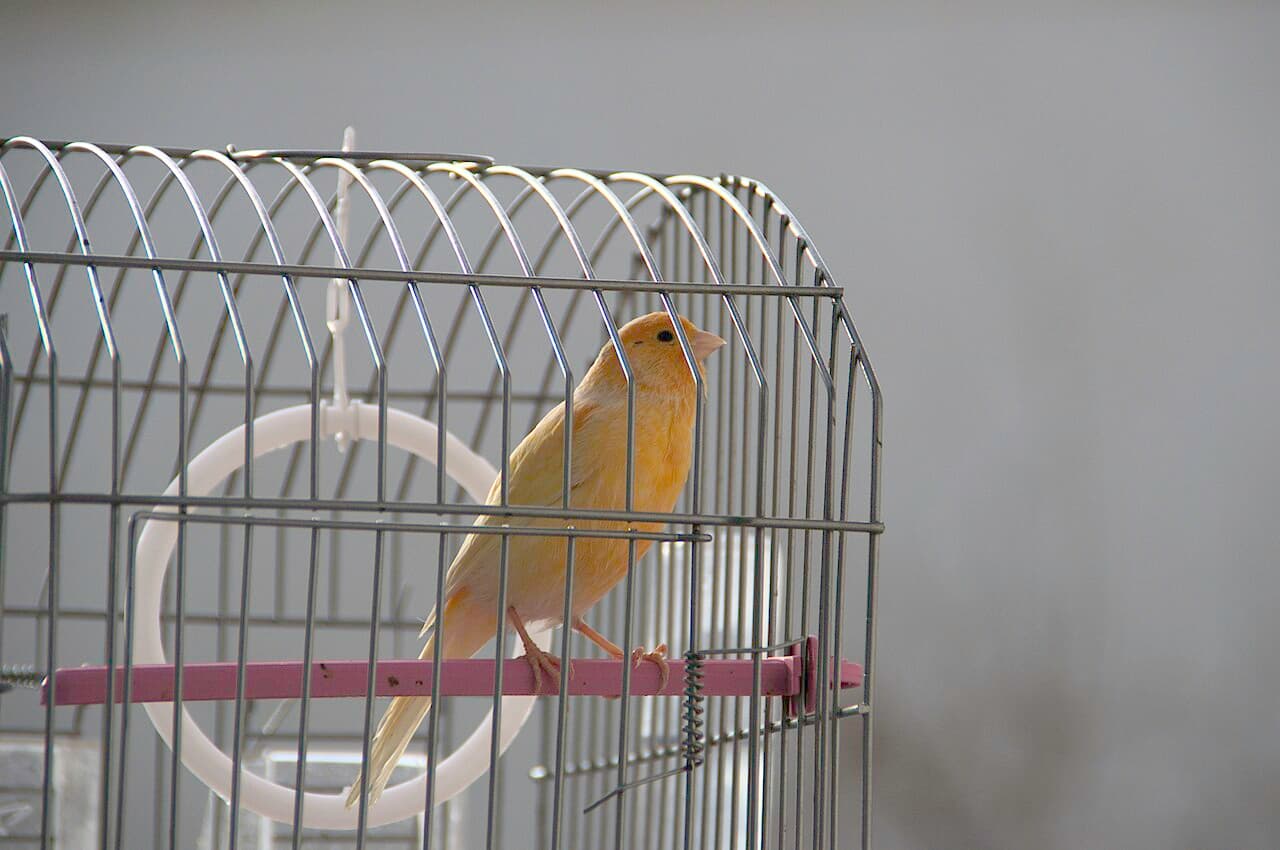
Why Is My Canary Afraid of Me?
Why canaries panic or flutter when you come near, and practical steps to help a nervous canary feel safe — cage position, movement, routine and patience.
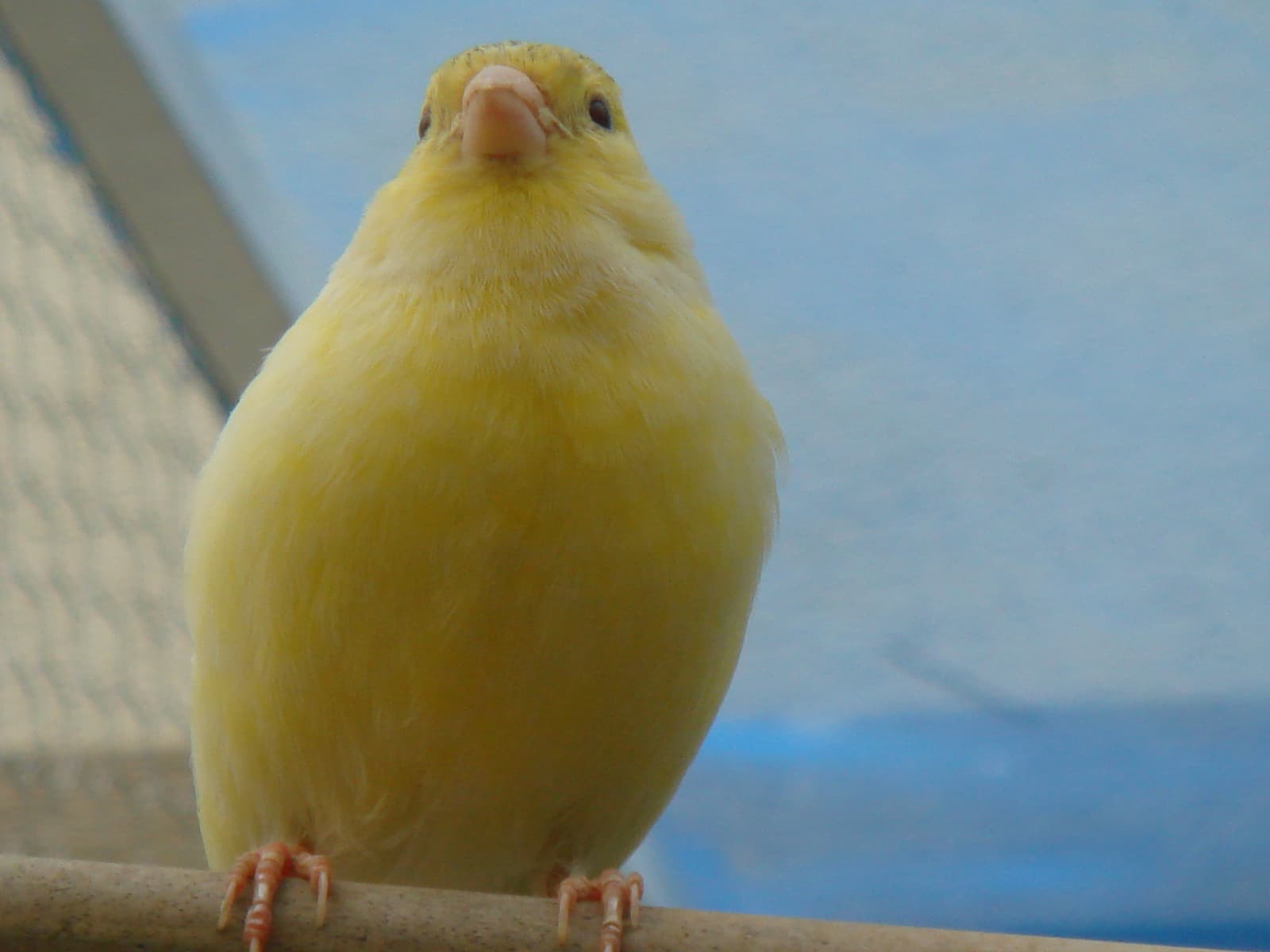
Canary Stops Singing After Moving
Why canaries often stop singing after moving to a new home, cage or room, how long silence usually lasts, and practical steps to help a male canary sing again.
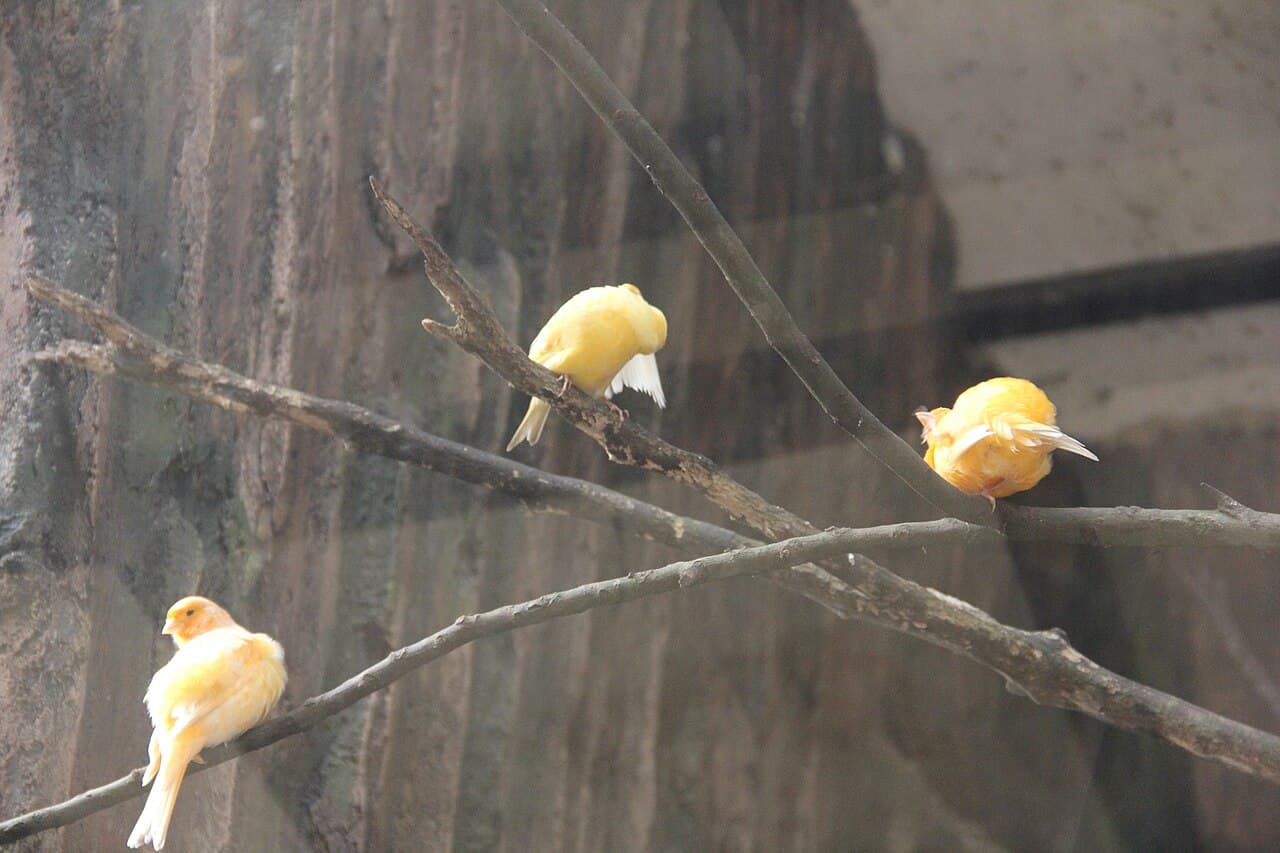
Best Cage Setup for a Canary
How to set up a canary cage properly — cage shape, perch types and placement, food and water dishes, bath, cuttlebone, floor covering and what to leave out.
Complete Canary Care Guide
A complete beginner guide to domestic canary care: choosing a canary, cage setup, food, water, sleep, light, bathing, cleaning, molting, breeding and routine.