How Much Sleep Does a Canary Need?
Canaries need around 10–12 hours of quiet darkness each night. Learn how to set a bedtime routine, whether to cover the cage, and how sleep affects singing and molting.
In this guide
Quick answer A canary needs around 10–12 hours of quiet darkness every night. Keep bedtime and wake-up time consistent, keep the cage away from evening lights and television, and use a breathable cover if the room stays bright.
Sleep is one of the most overlooked parts of canary care. In the wild, birds follow the sun. In our homes, lamps, screens and late nights can stretch a canary's "day" to 16 hours or more — and that has real effects on behavior, singing and molting.
Why sleep matters so much for canaries
- Day length sets the canary's calendar. Canaries use the length of the day to know the season. Lengthening days bring them into breeding condition; shortening days help trigger the molt.
- Irregular light can disrupt the molt. Keepers widely link long or irregular days to "soft molts" — continual, out-of-season feather loss.
- Tired birds are stressed birds. Too little rest can make a canary nervous and less likely to sing.
A good canary bedtime routine
- Pick a regular time for lights out and stick to it, weekends included.
- Dim the room gradually if you can, rather than switching from bright light to total darkness.
- Keep it quiet. No television or music right beside the cage.
- Cover part of the cage if needed — a breathable cotton cover over the top and three sides works well in a room that stays lit.
- Keep the wake-up time consistent too, with natural daylight or a room light.
Should the room be completely dark?
Mostly dark is ideal. Some canaries are prone to night frights: something startles them in the dark — a car's headlights, a pet, a noise — and they panic, flapping around the cage and sometimes injuring themselves. A very dim night light nearby lets a startled bird see its perches and settle again.
If night frights happen often, look for the trigger: a cat entering the room at night, a window with passing lights, or a cage in a hallway.
How sleep connects to singing and molting
| Problem | How light and sleep may be involved |
|---|---|
| Canary not singing | Disturbed rest and stress reduce song; see why is my canary not singing |
| Constant light molting | Long or irregular days are commonly associated with out-of-season molts; see the molting guide |
| Breeding condition at the wrong time | Artificially long days can bring birds into breeding condition early |
Where the cage should be at night
A room that is used late into the evening — a busy living room with a television, for example — is not ideal for a canary at night. A quieter room, or covering the cage, solves most issues. See where to put a canary cage for more on placement, and do canaries need sunlight for the daytime side of the light cycle.
Frequently asked questions
Should I cover my canary's cage at night?
Covering the cage is optional. It helps when the room stays bright or busy in the evening. Use a breathable cover, leave part of the cage — or the front — uncovered for ventilation, and keep the timing consistent.
Is it normal for a canary to sleep on one leg?
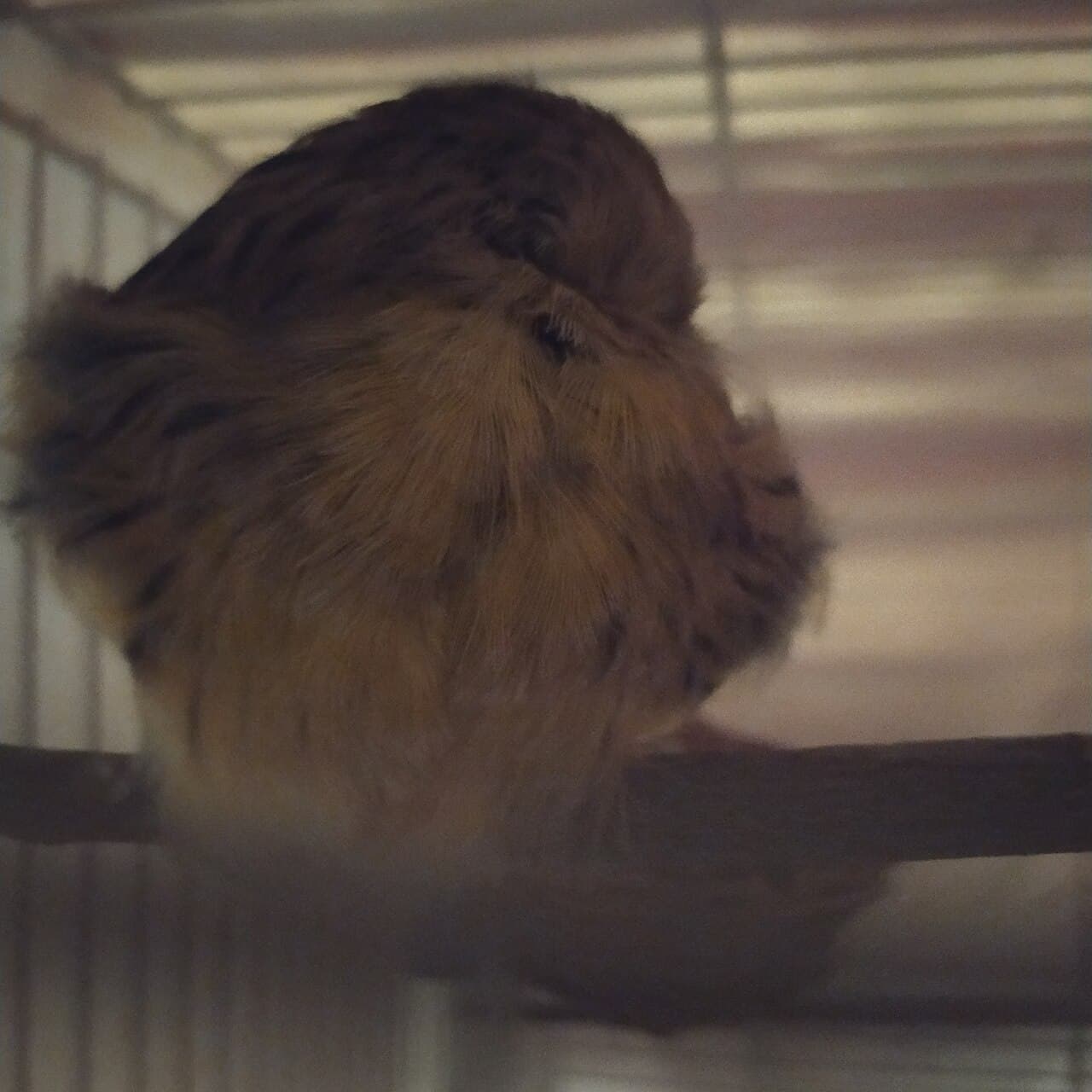
Yes. Sleeping on one leg with the head turned back and tucked into the feathers is normal canary sleeping posture.
Why does my canary sleep during the day?
Short daytime naps are normal, particularly after eating or bathing and during the molt. Long periods asleep, fluffed up, especially with reduced appetite, can be a sign of illness and are a reason to contact an avian vet.
This guide shares general husbandry information and practical keeping experience. It is not veterinary advice. If your canary seems unwell, contact an avian veterinarian. Spotted an error? Report a correction.
Related guides
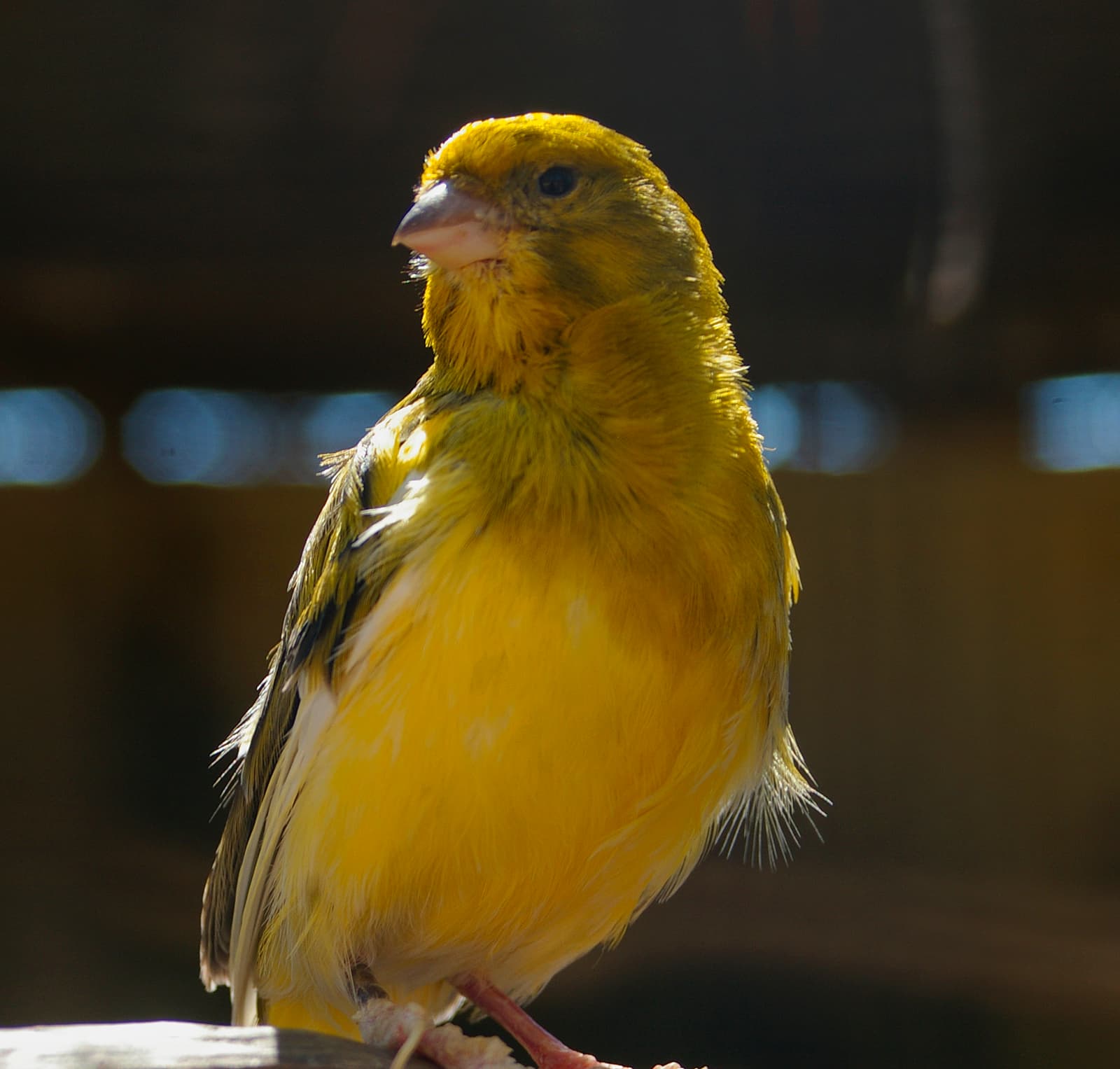
Do Canaries Need Sunlight?
Canaries benefit from natural daylight and a natural day length, but direct sun can overheat them quickly. How to give a canary light safely, indoors and outdoors.
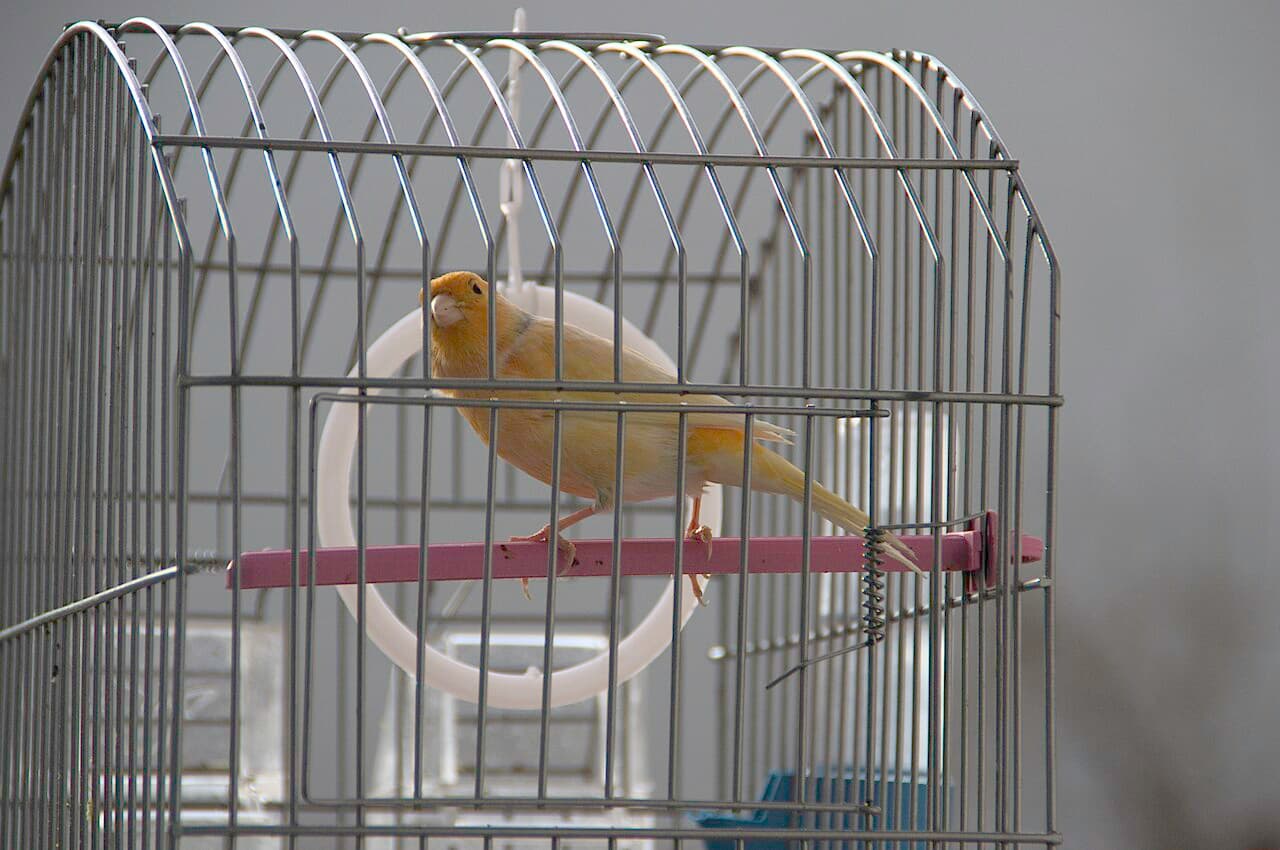
Where to Put a Canary Cage
Where to put a canary cage at home — the best rooms, height and wall position, plus places to avoid such as kitchens, drafty windows, heaters and busy hallways.
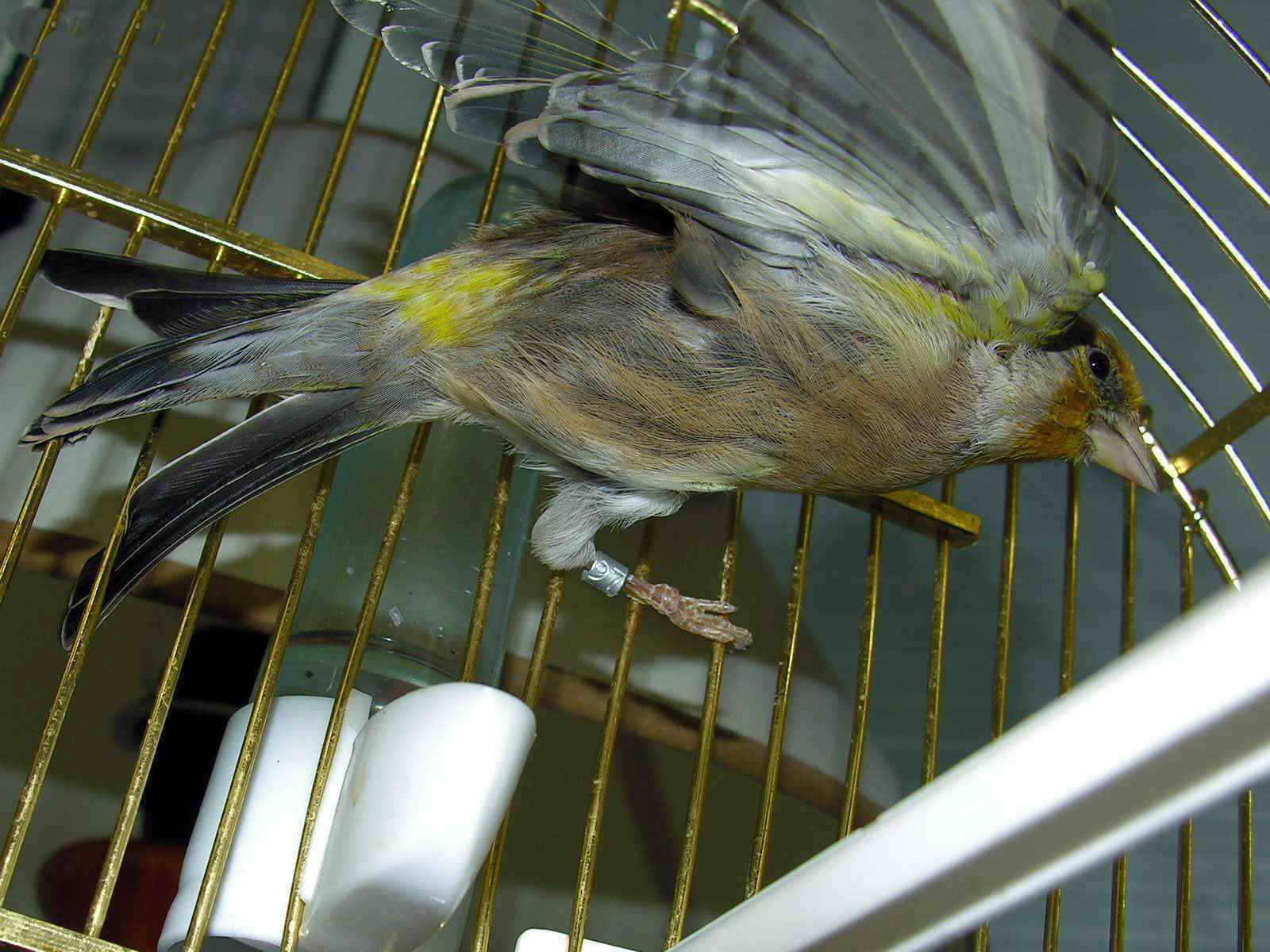
Complete Canary Molting Guide
Canary molting explained: when it happens, how long it lasts, normal feather loss, juvenile and soft molts, why song stops, and how to help your bird.
Complete Canary Care Guide
A complete beginner guide to domestic canary care: choosing a canary, cage setup, food, water, sleep, light, bathing, cleaning, molting, breeding and routine.