Daily Canary Care Routine — A Simple Morning-to-Night Plan
A practical daily canary care routine covering water, food, fresh greens, health checks, cleaning, bathing and bedtime — plus weekly and seasonal tasks.
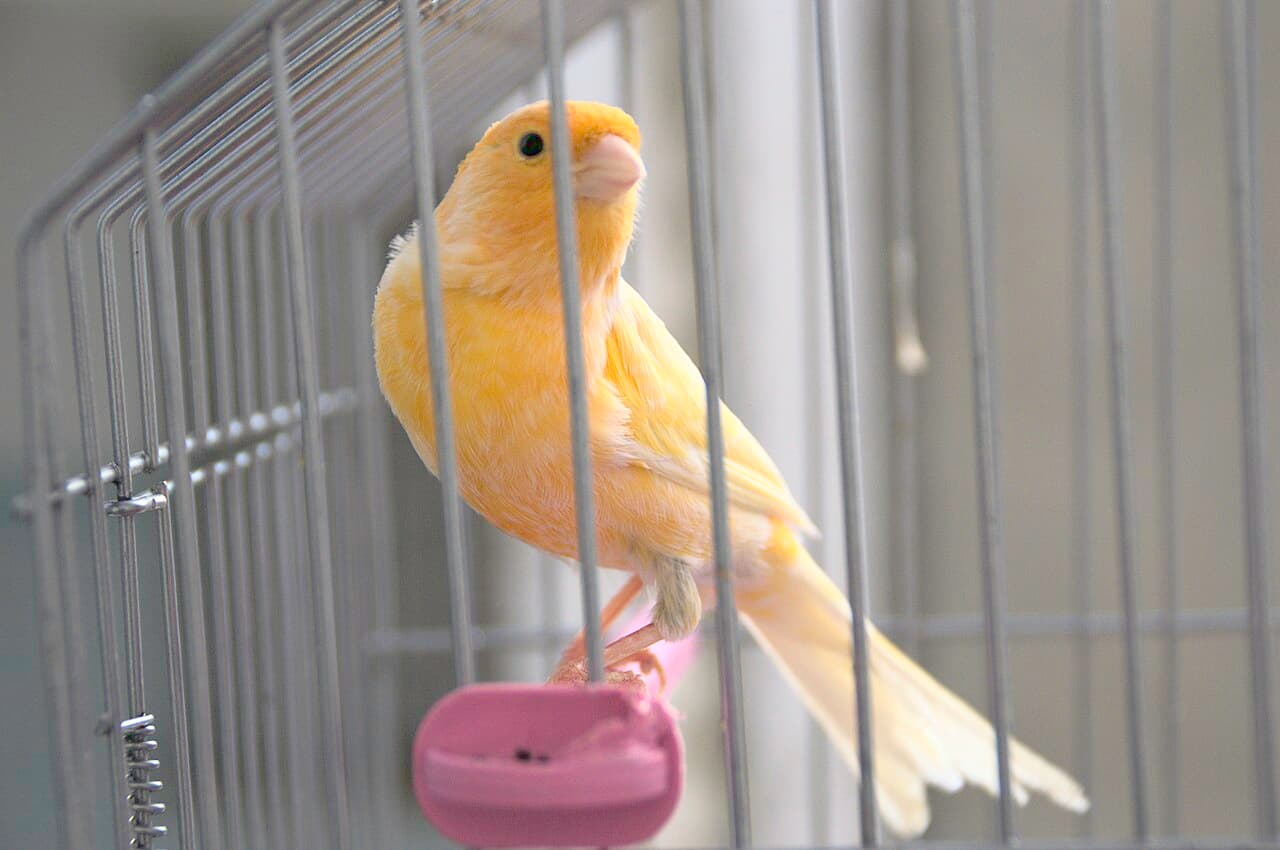
In this guide
Quick answer Every day, check your canary, change its water, clear husks and top up seed, offer fresh vegetables, remove old fresh food and spot-clean the cage. Offer a bath several times a week and keep a regular bedtime with 10–12 hours of darkness. The whole routine takes about 10 minutes.
Canaries thrive on routine. A predictable daily rhythm — light, food, activity, rest — keeps them calm, and a daily check is the best way to catch problems early. Here is a routine that works for most homes.
Morning (5–10 minutes)
1. Look before you touch anything
Before you open the cage, spend thirty seconds watching your bird:
- Is it alert and moving normally?
- Are its feathers smooth, or is it fluffed up?
- Is it breathing quietly, without the tail bobbing?
- Are there fresh droppings, and do they look normal for your bird?
- Is it eating?
This short observation is the most valuable part of the routine. Most problems show here first.
2. Change the water
Empty the drinker, wash or rinse it, and refill it with clean drinking water. Do not just top it up — the old water carries droppings, seed dust and a film of bacteria.
3. Check the food dish properly
Blow or tip the empty husks off the top of the seed dish, then top it up. Canaries hull every seed and leave the husks behind, so a dish can look full when it is only husks. If you feed pellets, check they are dry and clean.
4. Offer fresh food
Add a small portion of fresh vegetables or greens — for example leafy greens, broccoli florets or grated carrot. See foods canaries can eat for ideas.
5. Quick spot clean
Remove obvious droppings from perches and the floor covering, and wipe any dish that has droppings on it.
Midday or afternoon
- Remove leftover fresh food after a few hours, before it wilts or spoils, especially in warm weather.
- Offer a bath several times a week, ideally before mid-afternoon so the bird is fully dry by night. Remove the bath after use. See do canaries need a bath.
- Check the room — the cage should not be in direct sun, and the room should be free of cooking fumes, smoke or aerosols. See household dangers for canaries.
Evening
- Keep it calm. Avoid loud television or parties right beside the cage.
- Lights out at a regular time. Canaries need around 10–12 hours of quiet darkness. If the room stays lit, cover part of the cage or move the bird to a quieter room for the night. See how much sleep does a canary need.
- A dim night light can help birds that are prone to night frights, so they can find their perch again if startled.
Weekly tasks
| Task | Why |
|---|---|
| Full cage clean: tray, bars, perches, dishes | Prevents build-up of droppings, mold and mites |
| Scrub or replace perches | Dirty perches can contribute to foot problems |
| Check nails and feet | Overgrown nails catch on wire and fabric |
| Check the cage for loose wire or broken parts | Prevents injuries |
| Replace cuttlebone if heavily soiled | Keeps calcium source clean |
Seasonal adjustments
- Spring: Longer days bring birds into breeding condition. Males sing more. Keep males and females apart unless you plan to breed.
- Summer: Watch for heat. Change water more often and offer baths more frequently.
- Late summer and autumn: The annual molt. Add egg food and keep the routine calm. See the complete canary molting guide.
- Winter: Keep the cage away from cold windows and drafts, but do not place it beside a radiator.
Make it a habit
Use the interactive daily canary care checklist for the first few weeks until the routine becomes second nature. For the bigger picture, see the complete canary care guide.
Frequently asked questions
What time should I feed my canary?
Morning is best. Canaries are most active and hungry early in the day, so refresh water, seed and fresh food soon after the lights come on. The base food should stay available all day.
Can I leave my canary alone for a weekend?
It is not recommended. Water can be fouled or spilled, and seed dishes fill with husks. For any absence longer than a day, arrange for someone to check the bird daily.
This guide shares general husbandry information and practical keeping experience. It is not veterinary advice. If your canary seems unwell, contact an avian veterinarian. Spotted an error? Report a correction.
Related guides
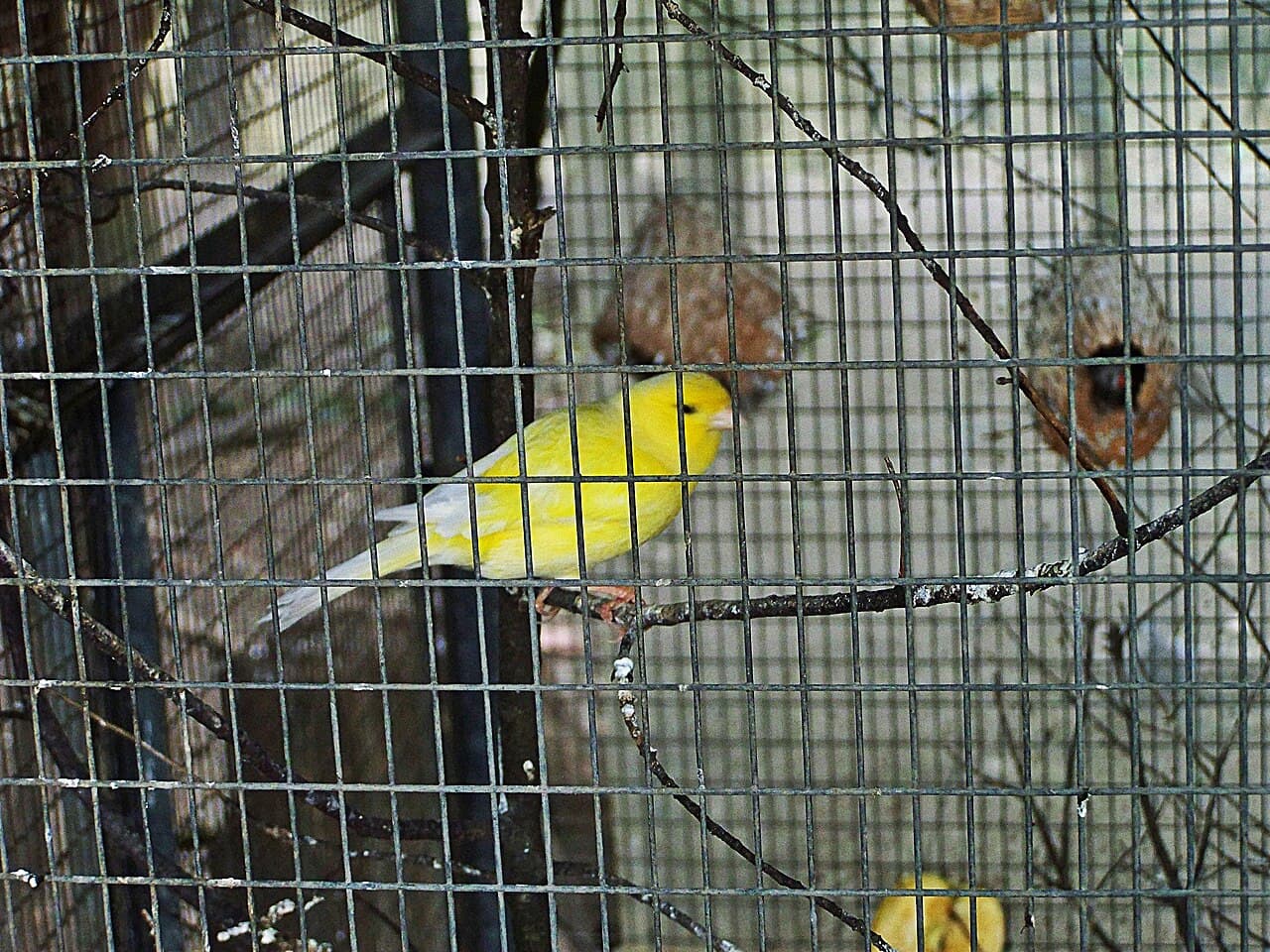
Complete Canary Care Guide
A complete beginner guide to domestic canary care: choosing a canary, cage setup, food, water, sleep, light, bathing, cleaning, molting, breeding and routine.
How Often Should You Clean a Canary Cage?
How often to clean a canary cage — daily, every few days, weekly and monthly tasks — plus a step-by-step full clean and which cleaning products are safe around birds.
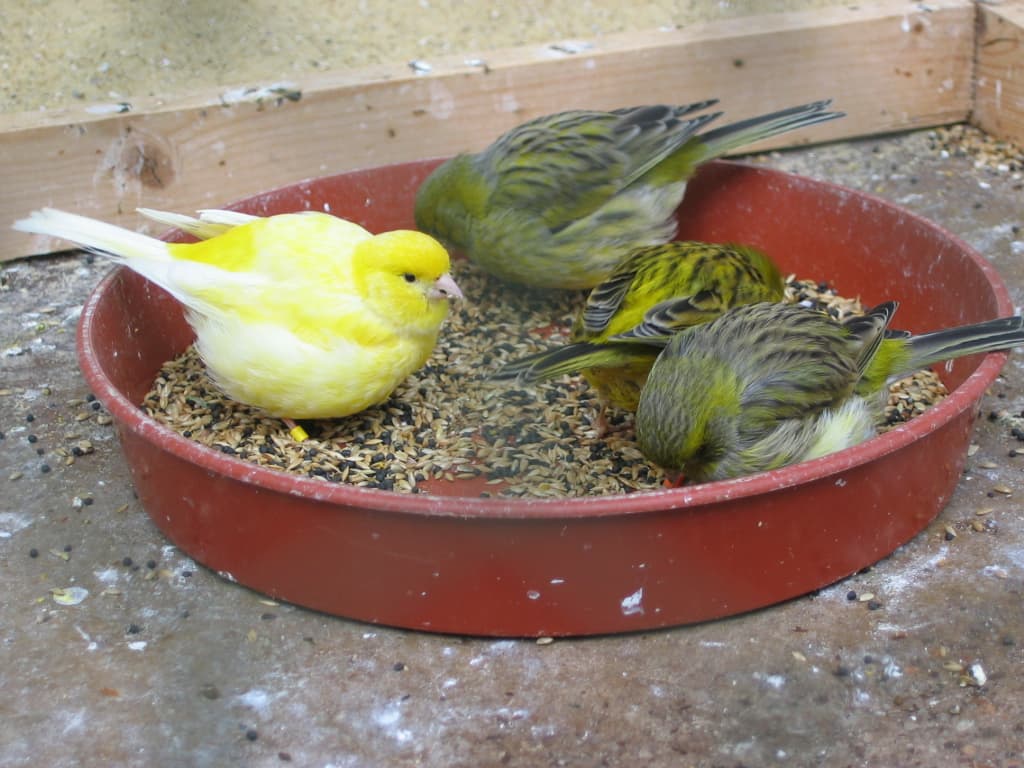
What Do Canaries Eat?
What domestic canaries eat — seed mixes, pellets, vegetables, greens, fruit, egg food, calcium and water — with a sample daily feeding plan and seasonal changes.
Best Cage Setup for a Canary
How to set up a canary cage properly — cage shape, perch types and placement, food and water dishes, bath, cuttlebone, floor covering and what to leave out.