Border Canary (Border Fancy) — Variety Guide
A guide to the Border canary (Border Fancy): Anglo-Scottish origin, appearance, colors, temperament, care, breeding and how it differs from the Fife and Gloster.
In this guide
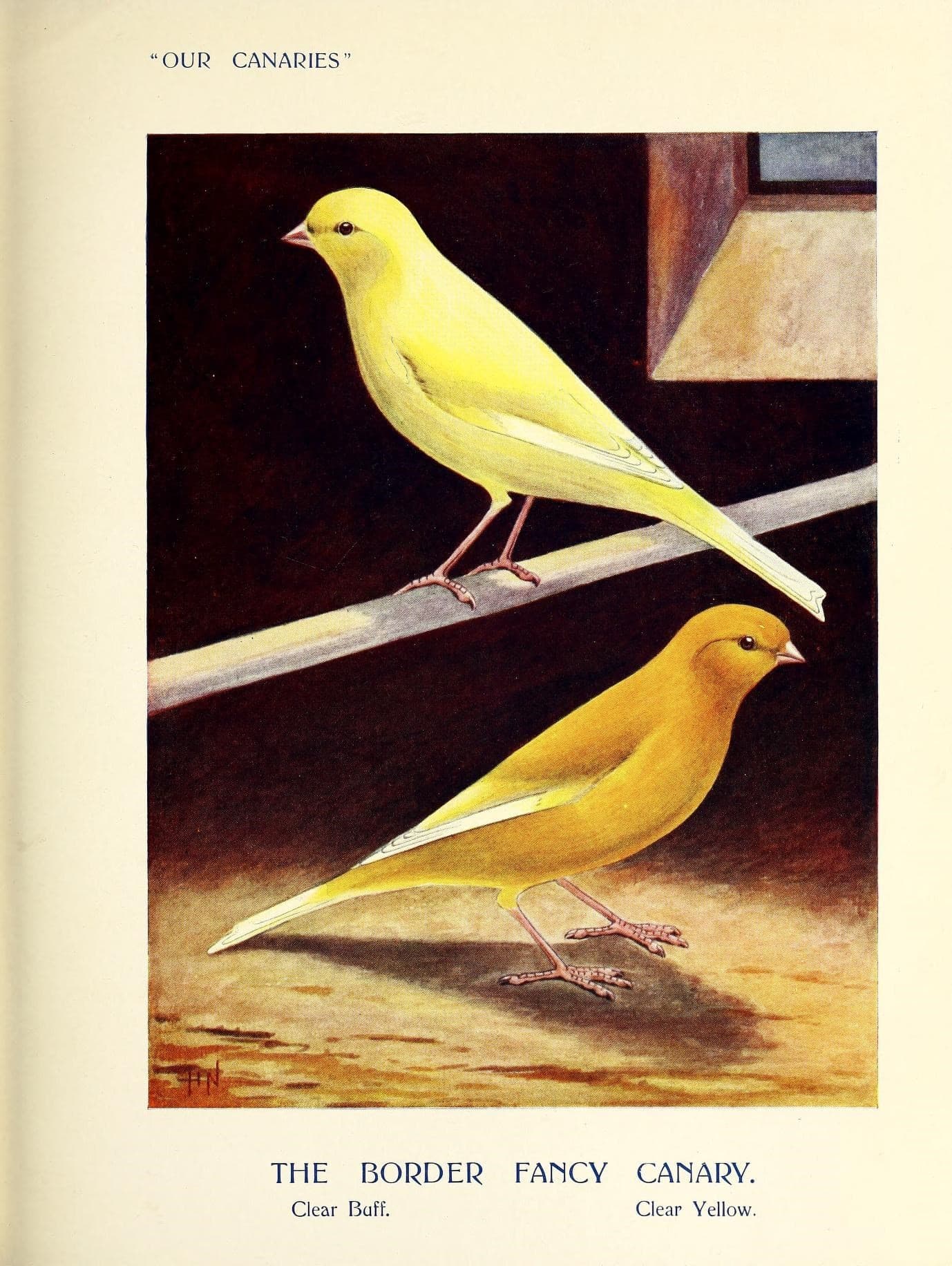
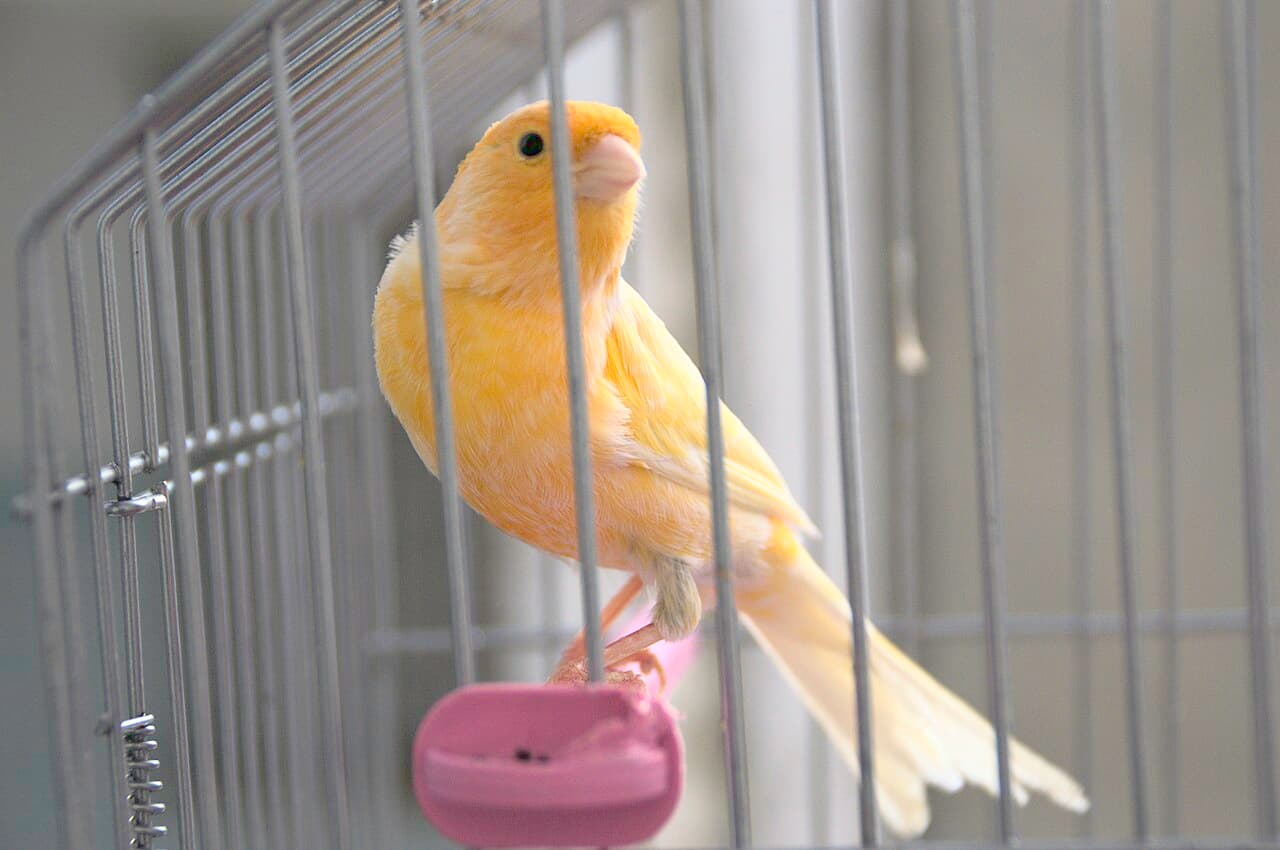
Quick answer The Border canary, or Border Fancy, is a classic British type canary from the border region between England and Scotland. It is a medium-sized, rounded, smooth-feathered bird with a neat head and lively, upright carriage. Borders are hardy, active and generally good breeders, which makes them a sound choice for beginners.
Introduction
The Border is one of the best-known type canaries in the world — a well-balanced, smart-looking bird that has influenced several other breeds, including the Fife Fancy and the Gloster.
Origin
The breed developed in the border counties of England and Scotland, particularly around Cumberland and the Scottish Borders, during the 19th century. Early birds were sometimes called by other regional names before "Border" became standard.
History
The Border developed from local canaries kept by working people in the region. It became an organized exhibition breed in the late 19th century. Over the 20th century, show birds became larger — one reason the smaller Fife Fancy was later developed. Details of specific dates and names vary between accounts.
Appearance
| Feature | Description |
|---|---|
| Size | Medium; standards commonly describe around 14 cm (5.5 in) |
| Body | Rounded, well-filled back and chest |
| Head | Small, neat and rounded |
| Carriage | Upright, at about 60° to the perch, lively and alert |
| Feather | Close, smooth and glossy |
Typical characteristics
- A balanced, "rounded" outline
- Jaunty, active movement
- Strong, healthy constitution
Colors
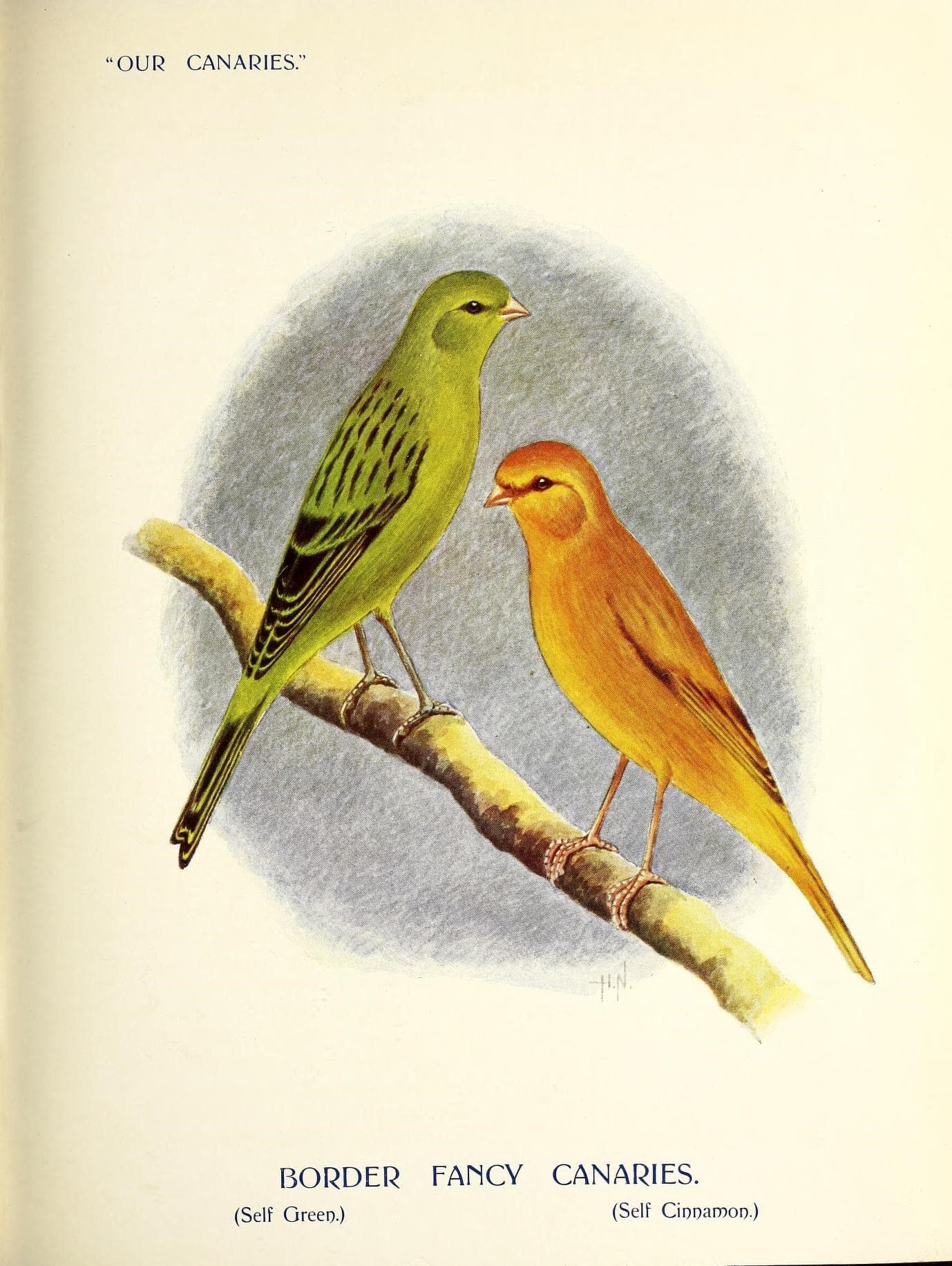
Borders are bred in many colors: clear yellow and buff, white, green, cinnamon, and variegated birds. Show classes are typically divided by color and feather type.
Song characteristics
Males sing freely with a general canary song. Song is not judged.
Temperament
Active, alert and generally hardy. Borders usually settle well and are lively in a long cage or flight.
Care considerations
Standard canary care. See the daily canary care routine.
Cage considerations
Borders are active birds and benefit from a long cage or flight. See best cage size for a canary.
Food considerations
Standard canary diet. See what do canaries eat.
Breeding considerations
Borders are usually willing breeders and attentive parents. Exhibition breeders pair to improve shape, size and feather quality, often pairing different feather types. See the complete canary breeding guide.
Beginner suitability
Suitable. Hardy, widely available and easy to keep.
Differences from similar varieties
| Compared with | Main difference |
|---|---|
| Fife Fancy | Same basic shape; the Fife is smaller |
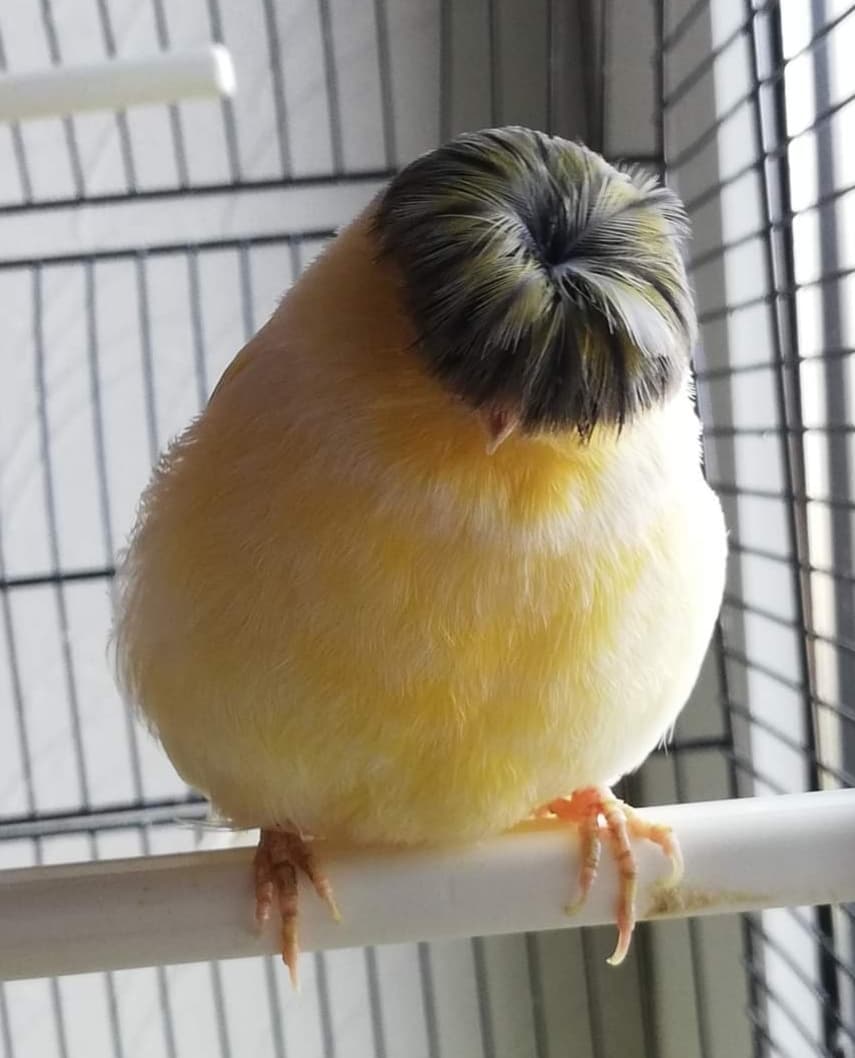
| Gloster | Gloster is smaller and rounder, with crested and plain forms |
| Norwich | Norwich is heavier, broader and more thickly feathered |
Related varieties
Image gallery
Frequently asked questions
What is the difference between a Border and a Fife canary?
The Fife Fancy was developed from the Border as a smaller version. They are similar in shape, but the Fife is noticeably smaller.
Do Border canaries sing?
Yes. Male Borders sing a free, general canary song, although they are bred for type rather than song.
How big is a Border canary?
Borders are medium-sized type canaries. Modern show standards commonly describe a bird of around 14 cm (about 5.5 in), but individual standards should be checked with a breed club.
Sources and further reading
- Domestic canary — Wikipedia
This guide shares general husbandry information and practical keeping experience. It is not veterinary advice. If your canary seems unwell, contact an avian veterinarian. Spotted an error? Report a correction.
Related guides
Fife Fancy Canary
A guide to the Fife Fancy canary — developed in Fife, Scotland as a smaller Border — covering appearance, colors, temperament, care, breeding and beginner suitability.
Gloster Canary
Gloster canary guide: origin, Corona and Consort forms, appearance, colors, temperament, care, breeding rules for crested birds and beginner suitability.
Daily Canary Care Routine
A practical daily canary care routine covering water, food, fresh greens, health checks, cleaning, bathing and bedtime — plus weekly and seasonal tasks.
Complete Canary Care Guide
A complete beginner guide to domestic canary care: choosing a canary, cage setup, food, water, sleep, light, bathing, cleaning, molting, breeding and routine.